
Topic archive
White Label Ai Chatbot
Articles about white label ai chatbot for branded website AI assistants.
33 field notes
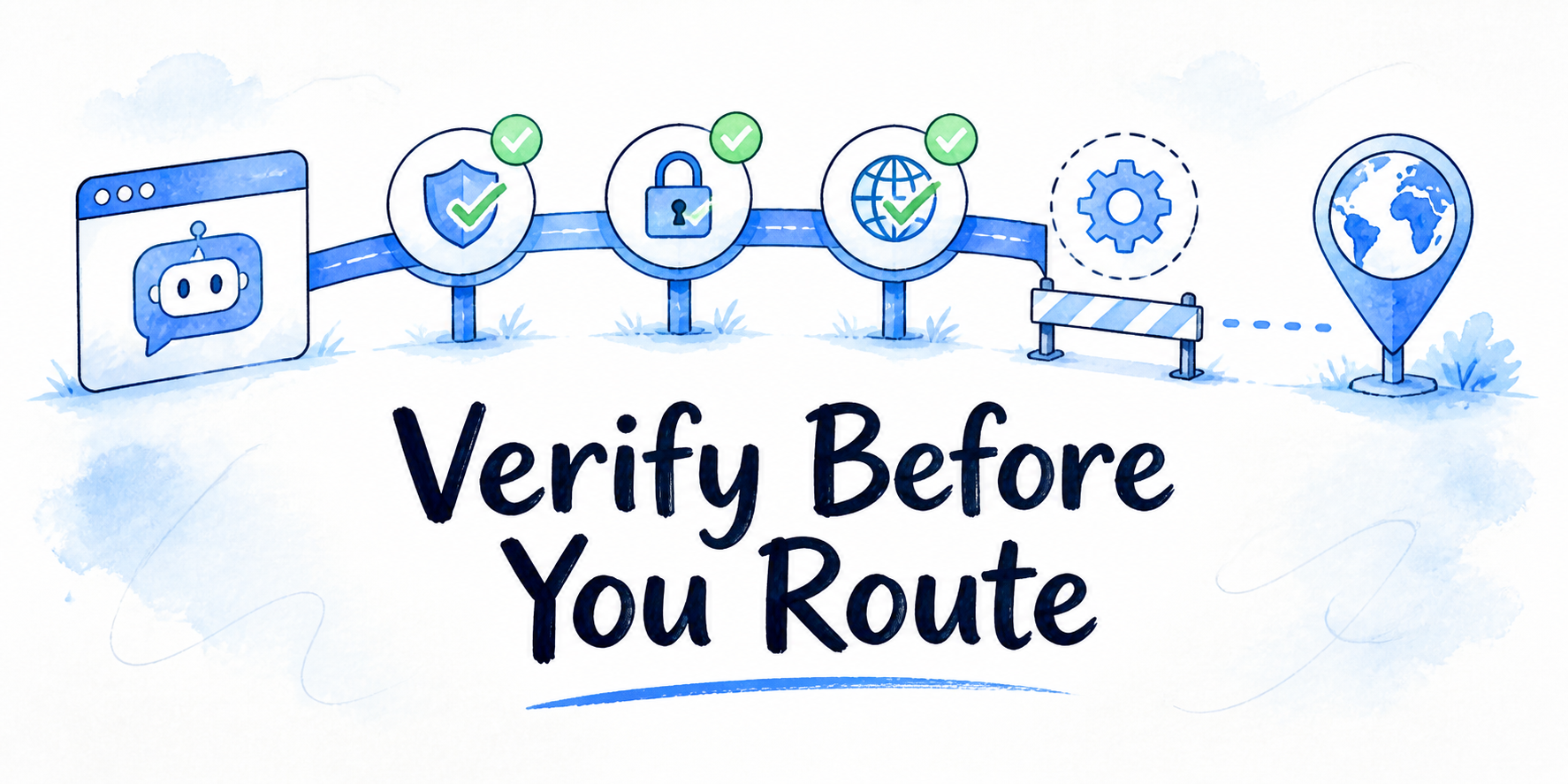
Custom Domain Checklist for a White-Label AI Chatbot
Use four evidence gates to approve, fix, narrow, or hold a white-label chatbot custom-domain cutover before changing public routing.
Read field note
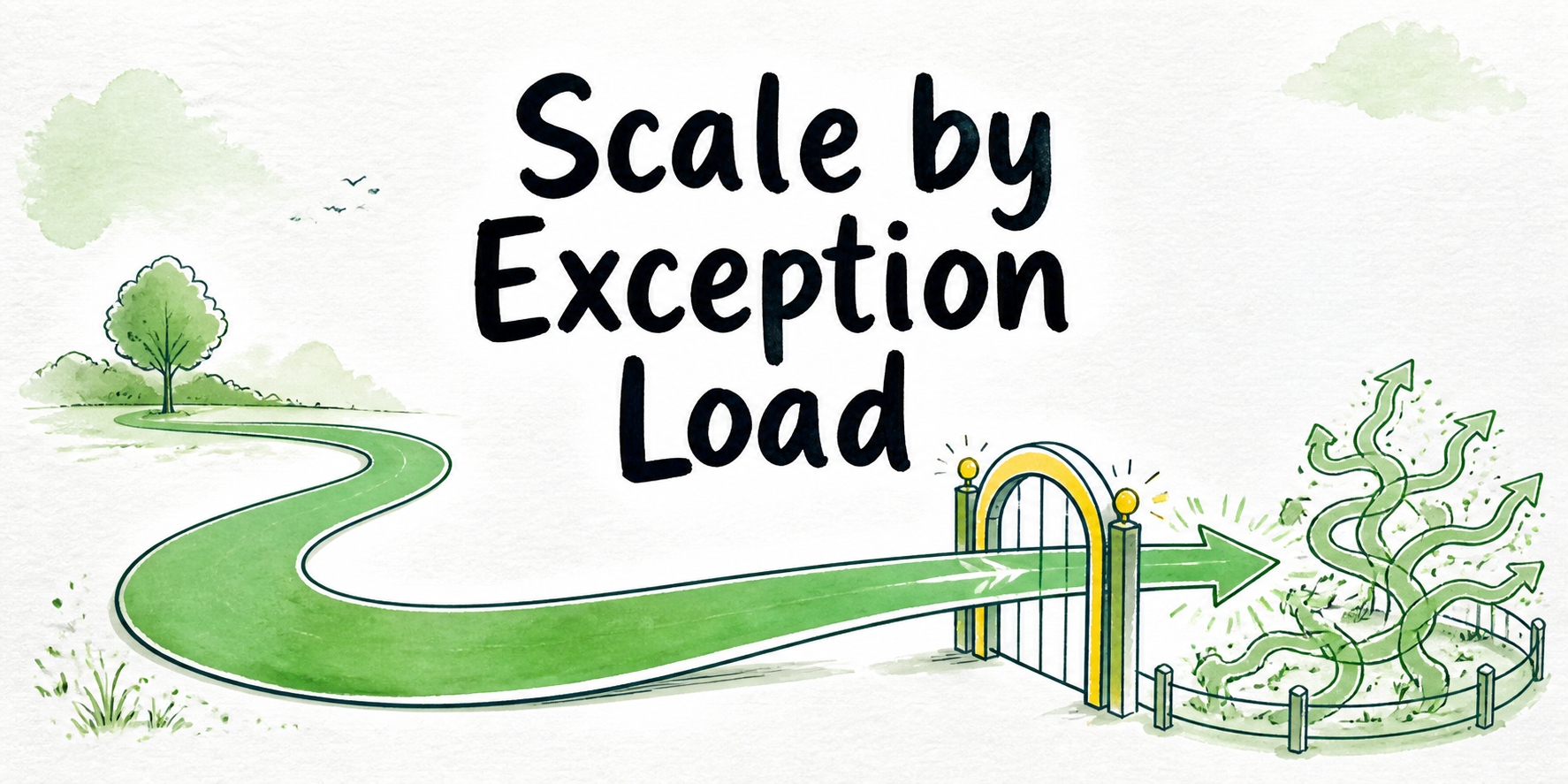
Multi-Client Chatbot Rollout Plan: Scale by Exception Load, Not Client Count
Use a portfolio control board and phase gates to admit, pilot, replicate, pause, narrow, or prepare client chatbots for offboarding based on evidence and operating capacity.
Read field note
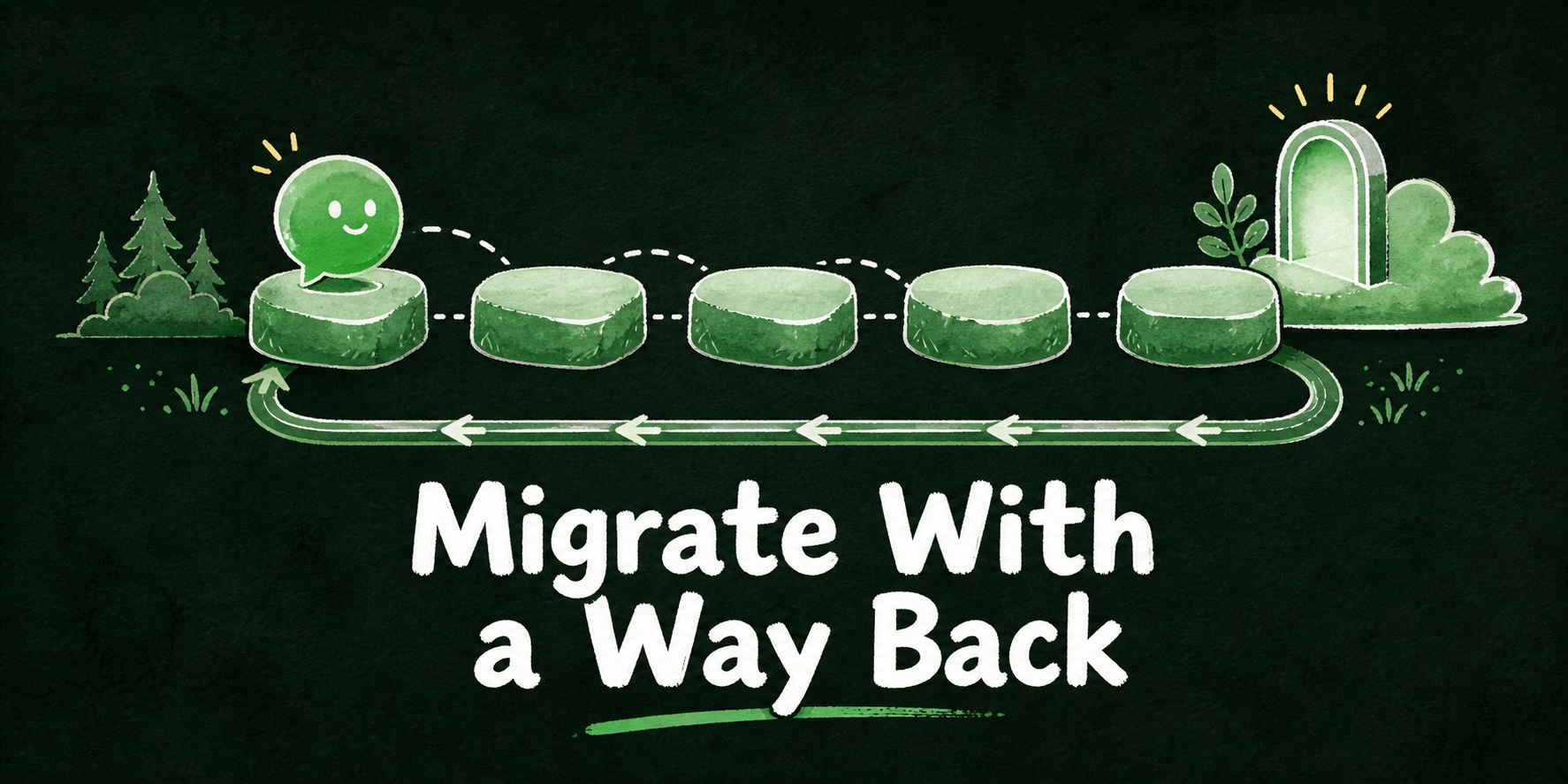
White Label Chatbot Migration: A Reversible Plan
Inventory dependencies, prove service parity, pilot a representative assistant, and cut over with evidence-based acceptance and rollback rules.
Read field note
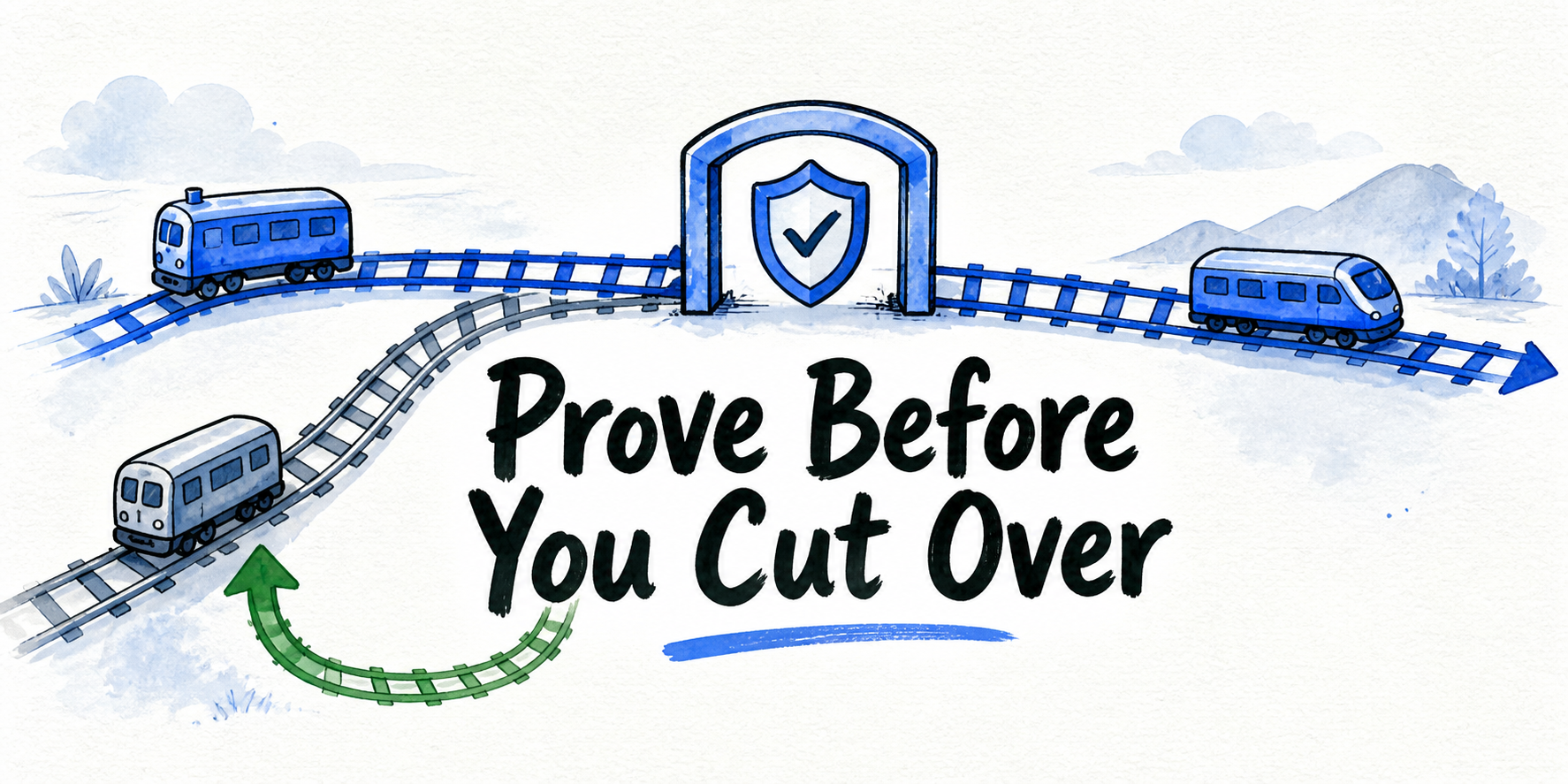
White-Label Chatbot Migration: A Controlled Cutover
Build a dated portability register, test one client workflow in parallel, and cut over with explicit acceptance and rollback gates.
Read field note
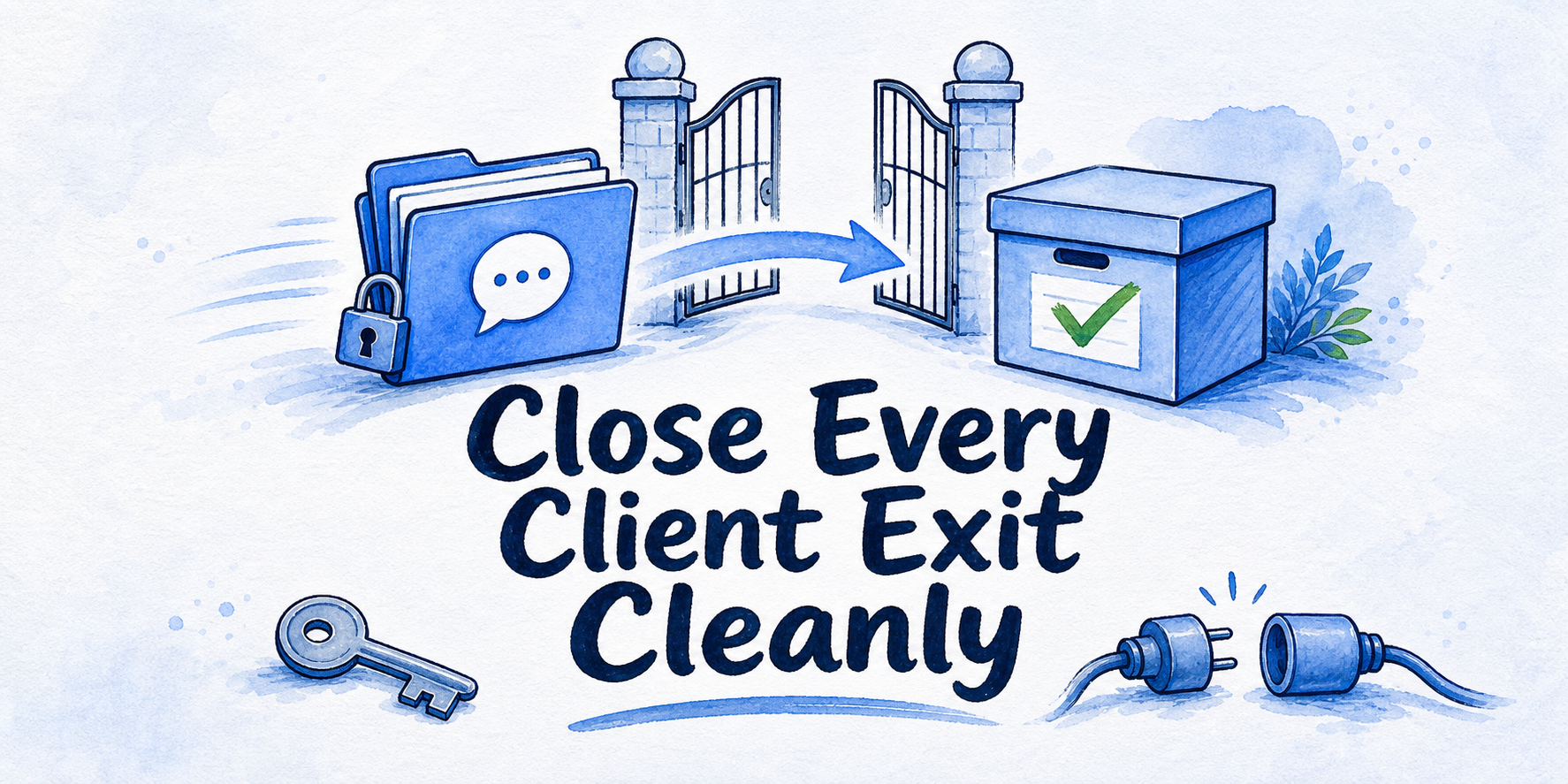
White Label Chatbot Client Offboarding Runbook
Use an asset register and phased checklist to separate chatbot assets, remove access, resolve records, and document a client exit.
Read field note
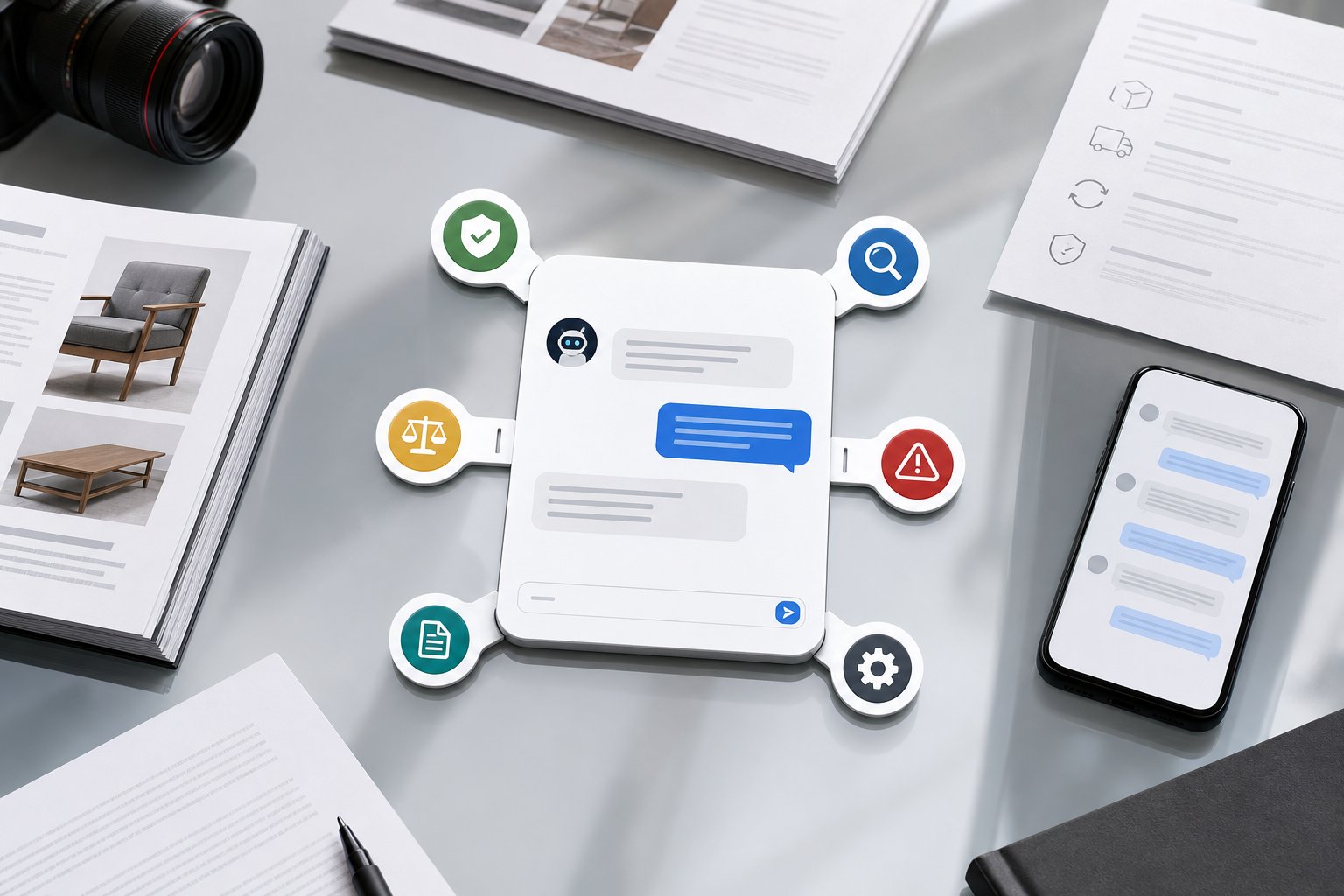
How to Choose a White-Label AI Chatbot Platform
Choose a white-label AI chatbot platform with shortlist gates, sourcing checks, trial evidence, alternatives, and value readiness.
Read field note
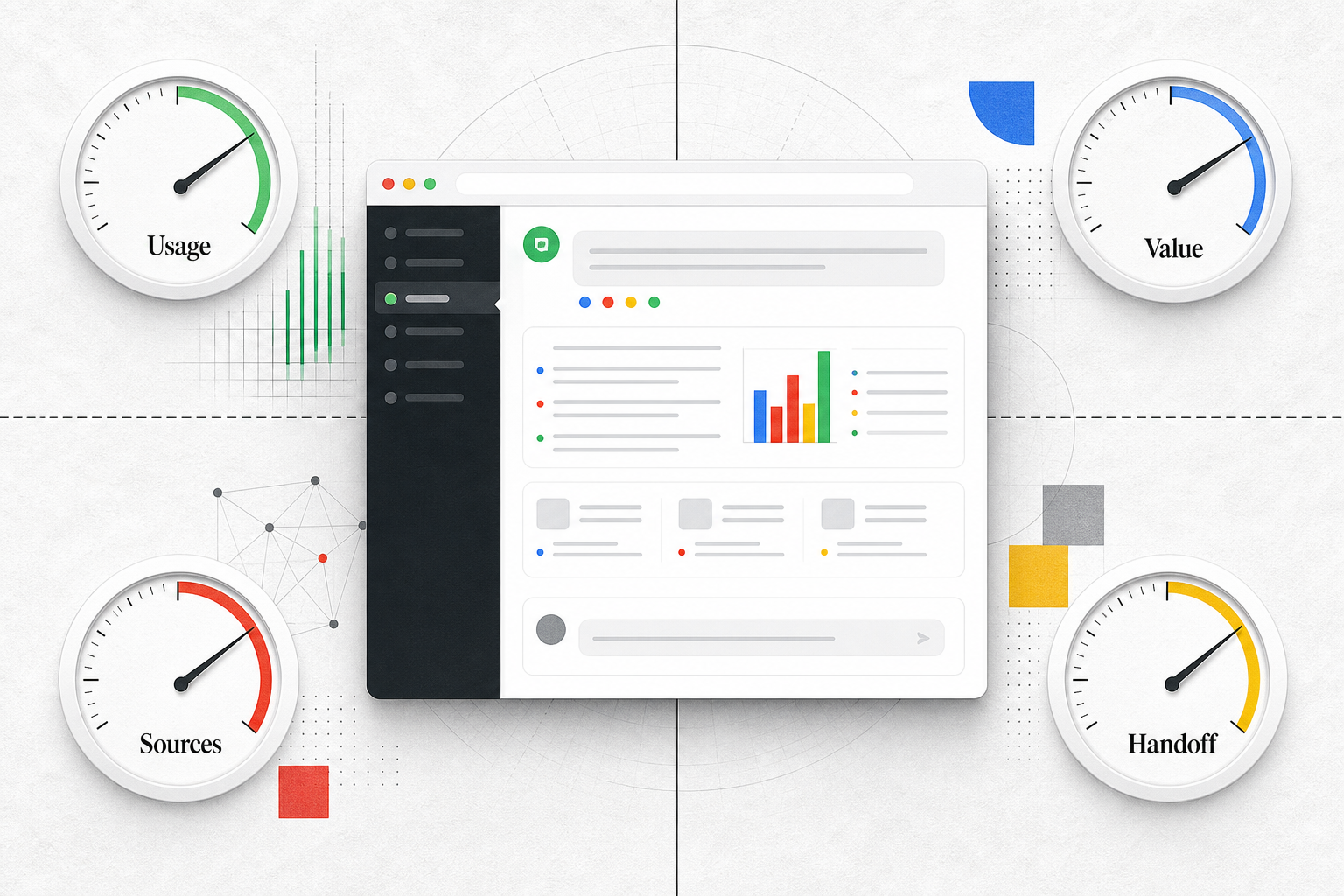
When Is a White-Label AI Chatbot Worth Paying For?
Decide if a white-label AI chatbot is worth paying for using value drivers, cost categories, readiness signals, and pilot rules.
Read field note
White Label AI Chatbot Alternatives by Fit
Compare white-label platforms, custom builds, embedded tools, workflow tools, and manual validation before choosing a path.
Read field note
White-Label AI Chatbot Demo Checklist
Use this demo checklist to test branding, workflow fit, answer quality, security questions, analytics, and support before you commit.
Read field note

Build vs Buy for a White-Label AI Chatbot
Choose whether to buy, build, or use a hybrid white-label AI chatbot path based on timeline, control, integrations, and upkeep.
Read field note
White-Label AI Chatbot Platform Features to Compare
Compare white-label AI chatbot platform features by the business fit each one proves before you commit to a vendor.
Read field note
AI Chatbot Governance for Multi-Client Agencies
Build agency chatbot governance with owners, client approvals, change logs, permission reviews, and incident basics across accounts.
Read field note
Human Handoff Rules for AI Chatbots
Define when an AI chatbot should stop answering, what it should say, what context to collect, and who owns the handoff.
Read field note
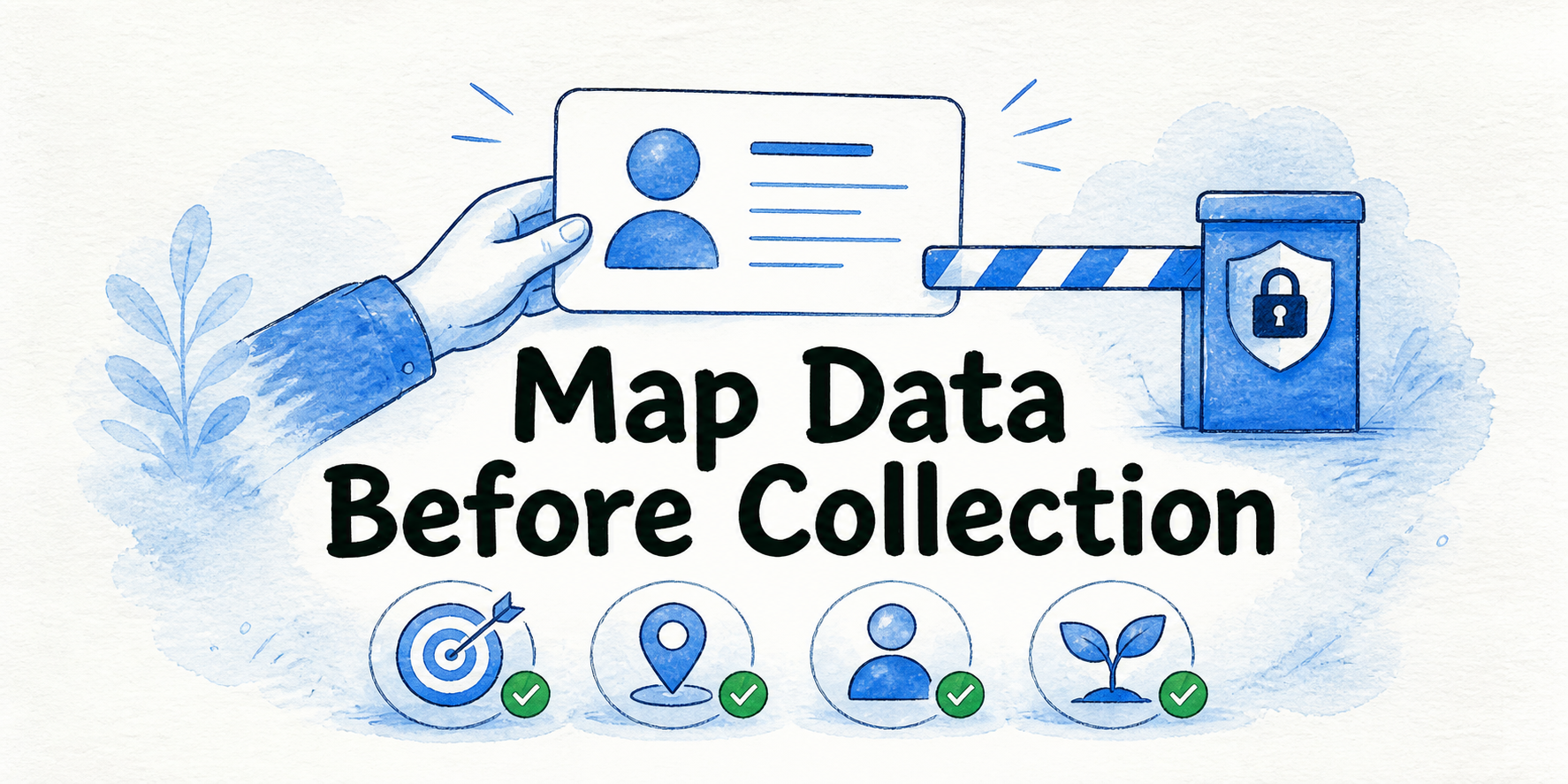
Branded AI Chatbot Data Privacy Before Collection
Map chatbot data, minimize collection, assign ownership, and resolve retention and consent decisions before accepting visitor input.
Read field note
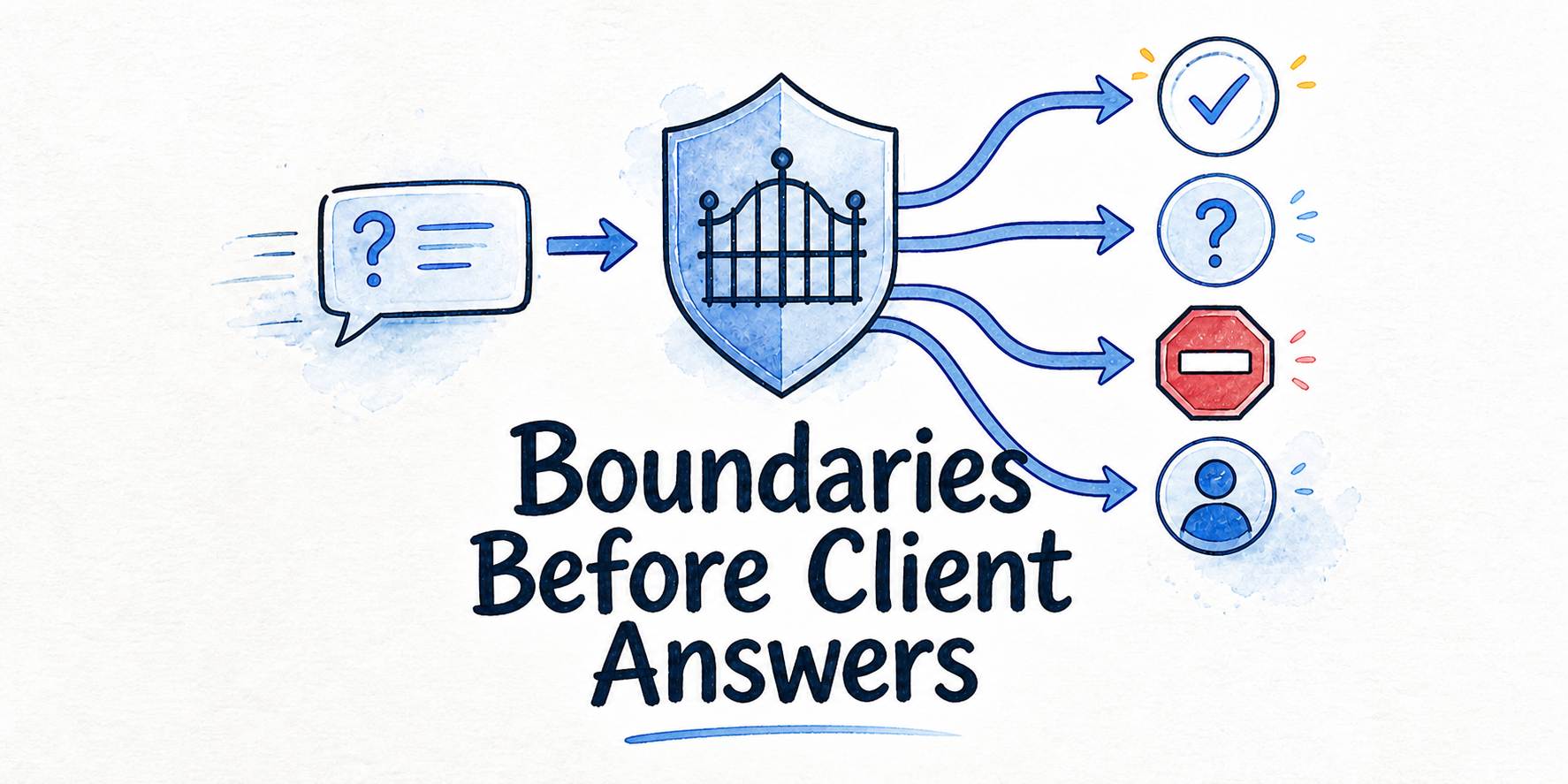
How to Set AI Chatbot Guardrails for Client Answers
Create a testable answer policy that tells your chatbot when to answer, clarify, decline, or escalate customer questions.
Read field note
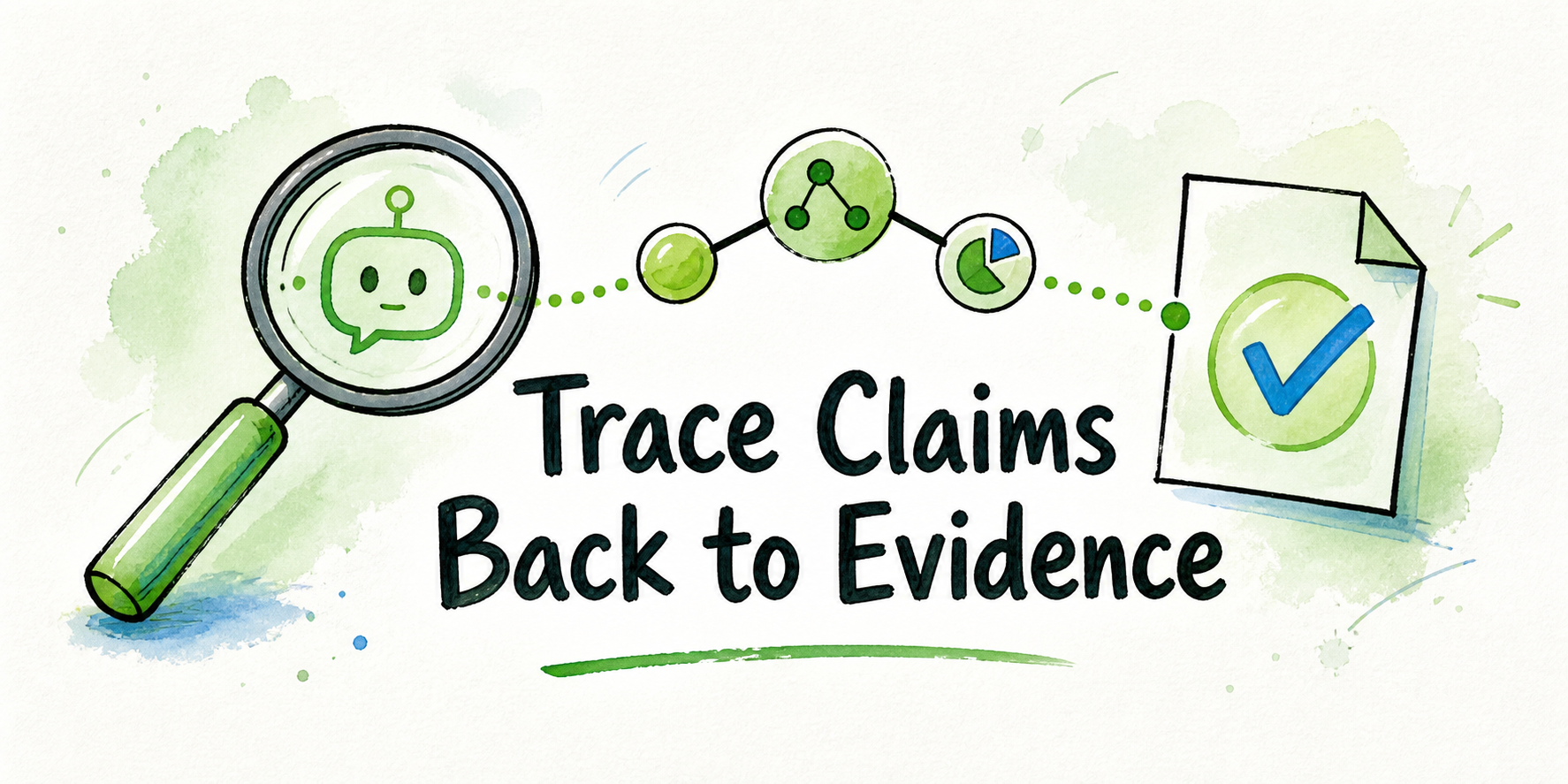
White Label AI Chatbot Security Questions for Buyers
Ask better data, access, model, retention, and incident questions—and turn vendor answers into an evidence-based approval record.
Read field note

Launch a Branded AI Chatbot With Phase Gates
Use a staged launch roadmap to assign owners, prepare sources, test readiness, and improve a branded AI chatbot after publishing.
Read field note

Post-Launch Optimization for AI Chatbots: What to Improve First
Use first-month chatbot conversations to prioritize answer fixes, unresolved questions, conversion paths, and monthly updates.
Read field note
AI Chatbot Testing Checklist Before Launch
Run pre-launch QA for a white-label AI chatbot with tests for accuracy, coverage, brand voice, escalation, and workflow paths.
Read field note
AI Chatbot Brand Voice Guide for Consistent Answers
Define chatbot tone, structure, vocabulary, uncertainty wording, escalation language, and client overrides for branded AI answers.
Read field note
AI Chatbot Knowledge Base Preparation
Clean, approve, and organize source content before chatbot configuration so answers have a stronger factual base.
Read field note

Choose Your First Branded AI Chatbot Workflow
Pick one branded AI chatbot workflow with clear value, owned-source answers, handoff rules, and a measurable outcome.
Read field note

AI Chatbot Reporting Metrics Clients Can Act On
Choose client-facing AI chatbot reporting metrics that show usage, answer quality, leads, content gaps, and next actions.
Read field note
AI Chatbot Proposal Template Clients Can Approve
Use this AI chatbot proposal template to define goals, scope, client responsibilities, review steps, success measures, and exclusions.
Read field note
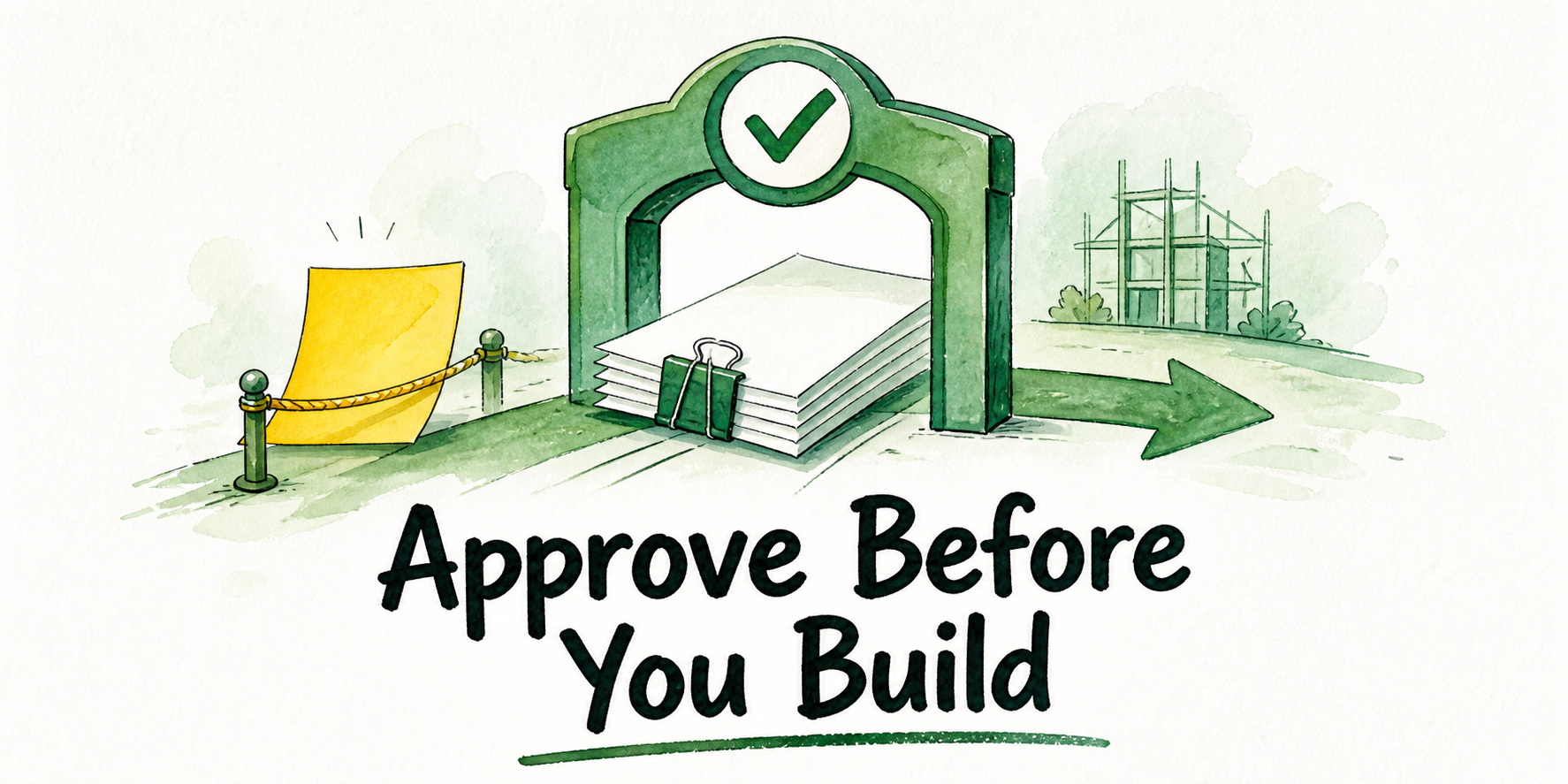
AI Chatbot Client Onboarding Checklist: Build the Approval Packet Before Setup
Turn a signed white-label chatbot project into an approved, build-ready packet without guessing through missing client inputs.
Read field note
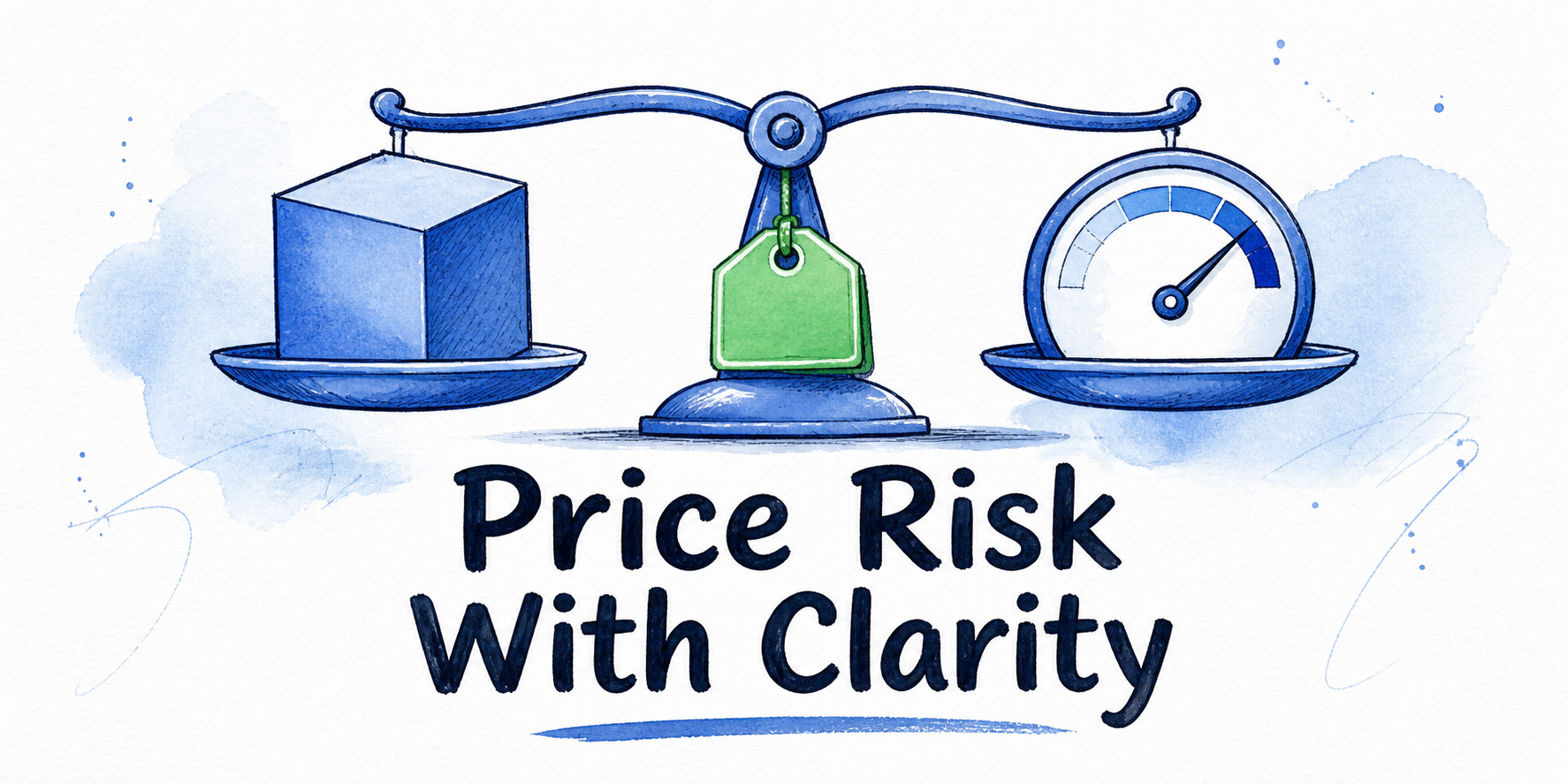
White-Label AI Chatbot Pricing Models for Agencies
Choose a chatbot pricing model by matching setup, support, software, and usage charges to the responsibilities your agency owns.
Read field note

Package White Label AI Chatbots Without Scope Creep
Create agency chatbot packages with clear tiers, setup inputs, review rounds, support limits, and scope controls.
Read field note
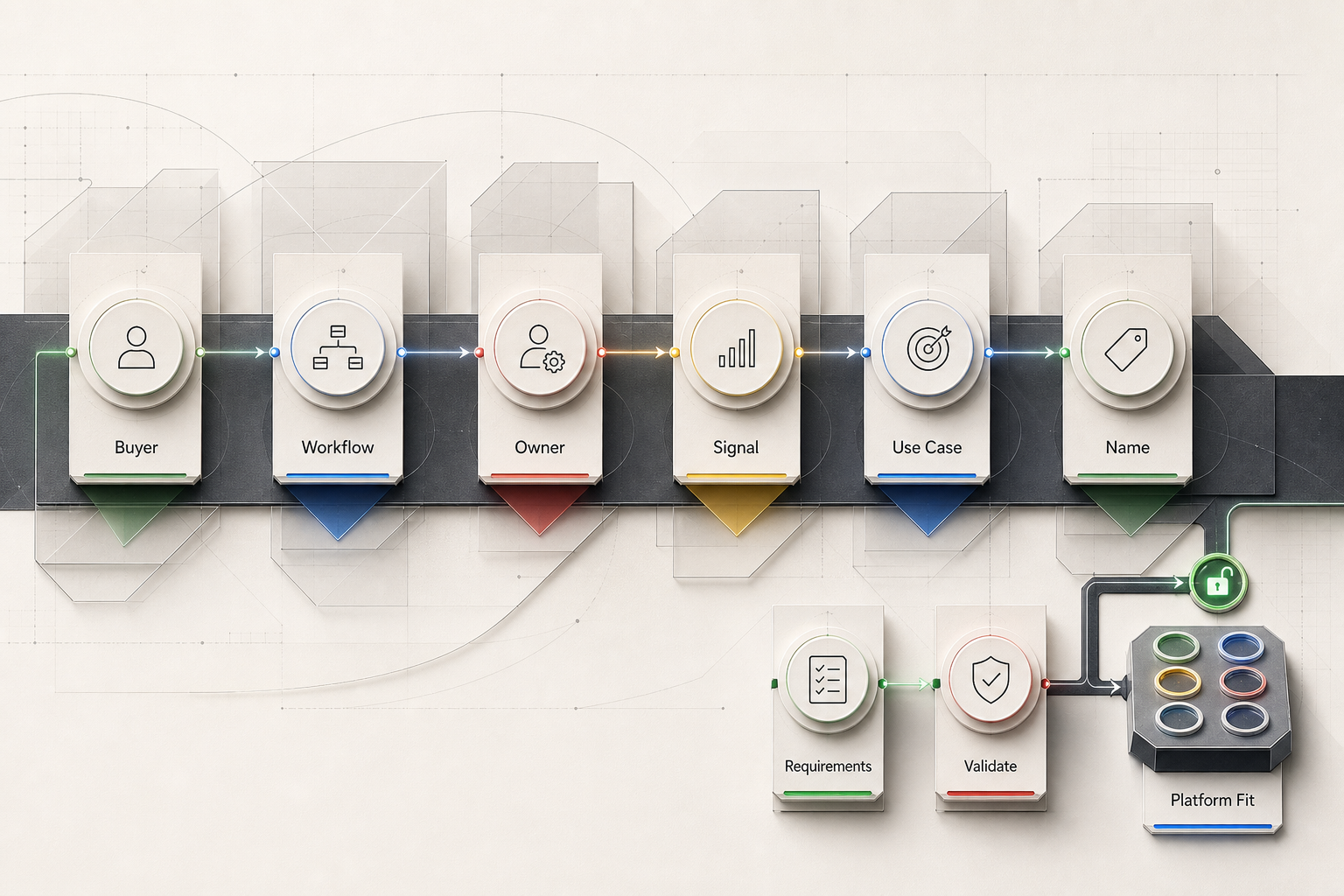
White-Label AI Chatbot Guide for Agencies and SaaS Teams
Plan a first white-label AI chatbot offer with the right use case, positioning, requirements, validation path, and platform-fit checks.
Read field note

How to Validate a White-Label AI Chatbot Offer Before Selling It
Test demand for a white-label chatbot offer with one buyer segment, one workflow demo, interview questions, and pilot criteria.
Read field note
White-Label Conversational AI Requirements Before Build
Create a practical requirements brief for white-label conversational AI across branding, sources, workflows, data, analytics, and rollout priorities.
Read field note
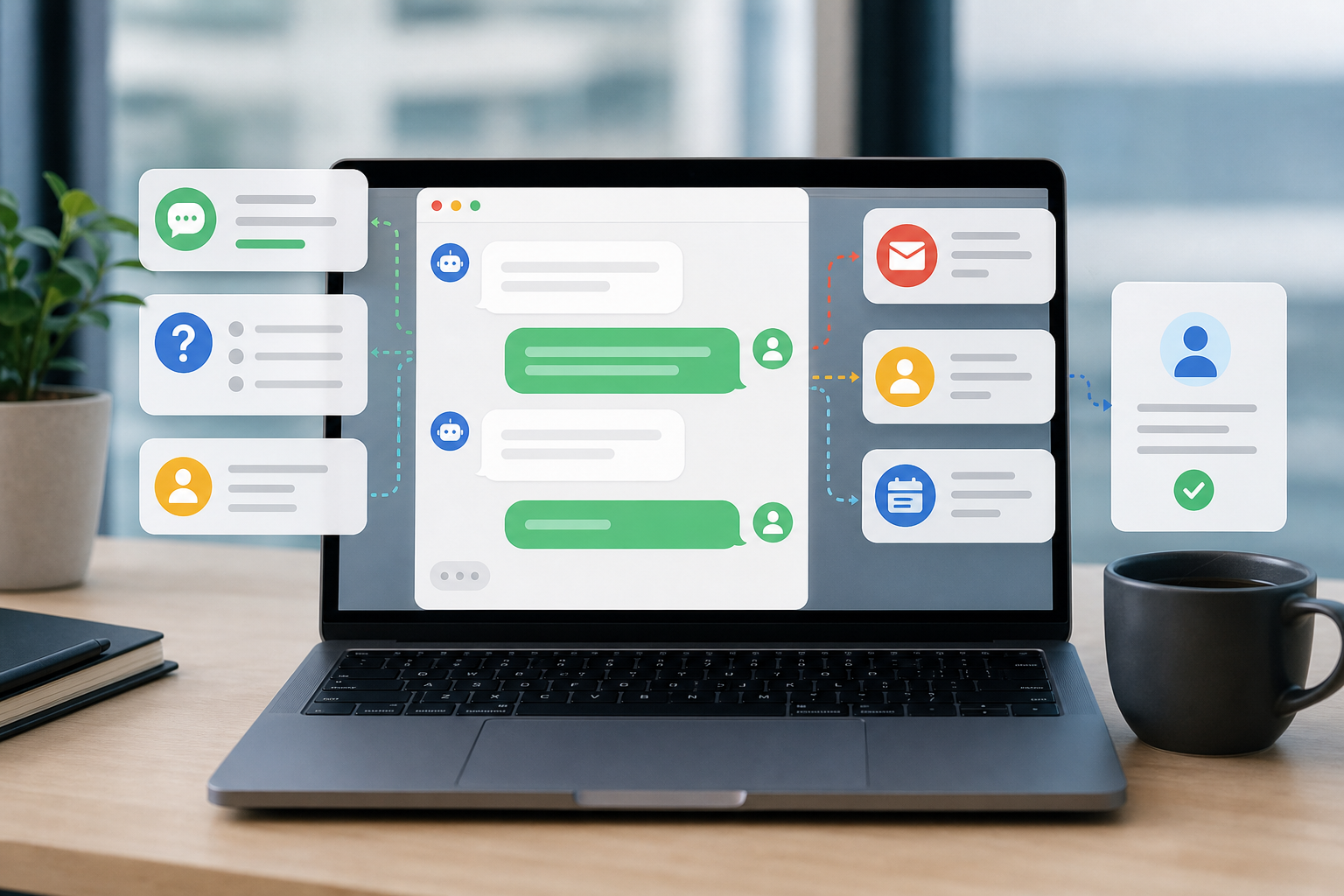
White-Label AI Agent vs White-Label AI Chatbot: Which Should You Sell?
Choose accurate offer language for a white-label AI agent, chatbot, branded AI assistant, or conversational AI product based on autonomy, approval boundaries, risk, and delivery scope.
Read field note

White-Label AI Chatbot Use Cases for Client-Facing Teams
A practical guide to choosing the first white-label AI chatbot use case by buyer segment, urgency, repeatability, setup effort, and service scope.
Read field note
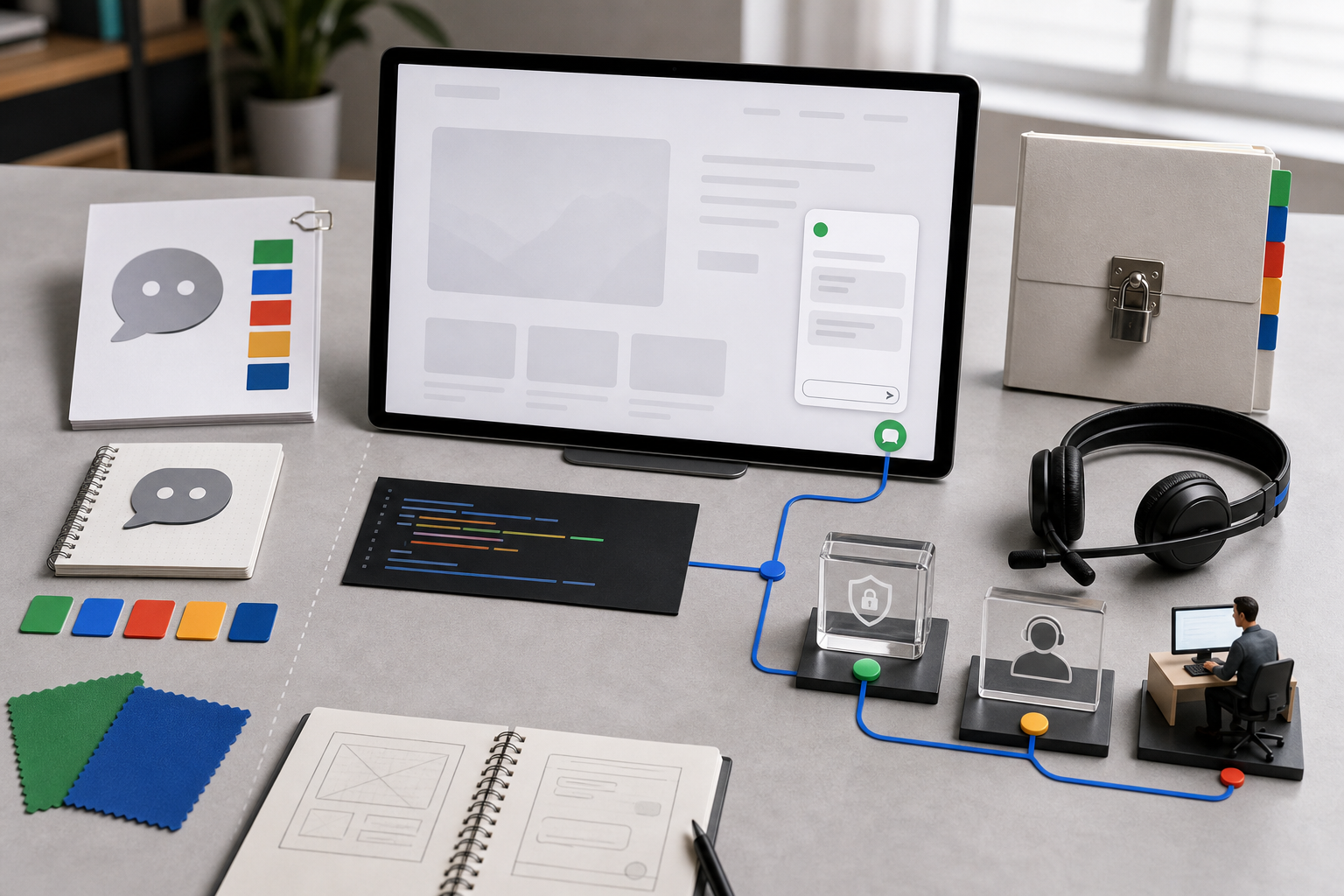
What Makes an AI Chatbot Truly White Label?
Learn the practical difference between cosmetic chatbot branding and true white-label AI chatbot ownership before you commit to a platform.
Read field note