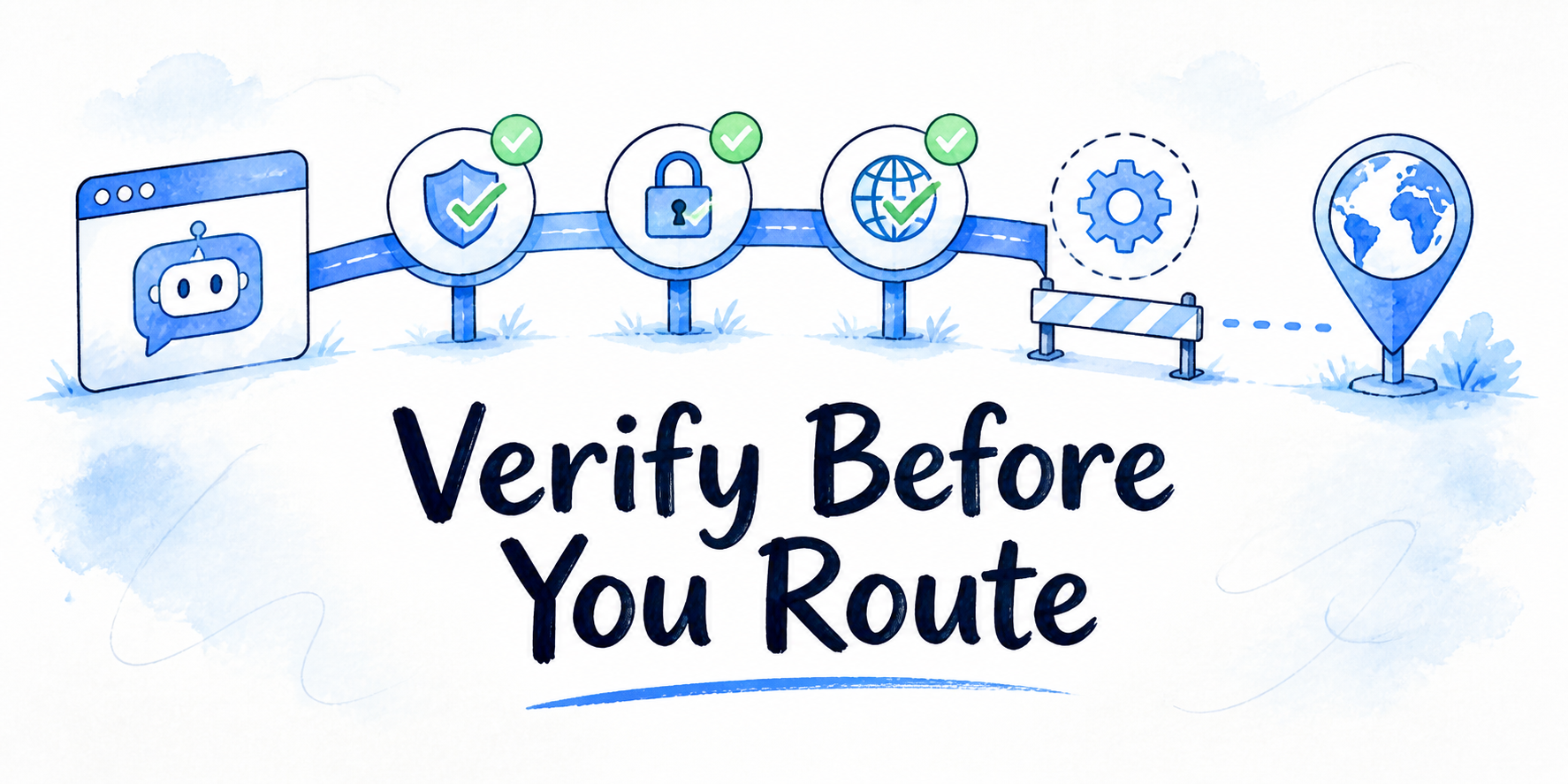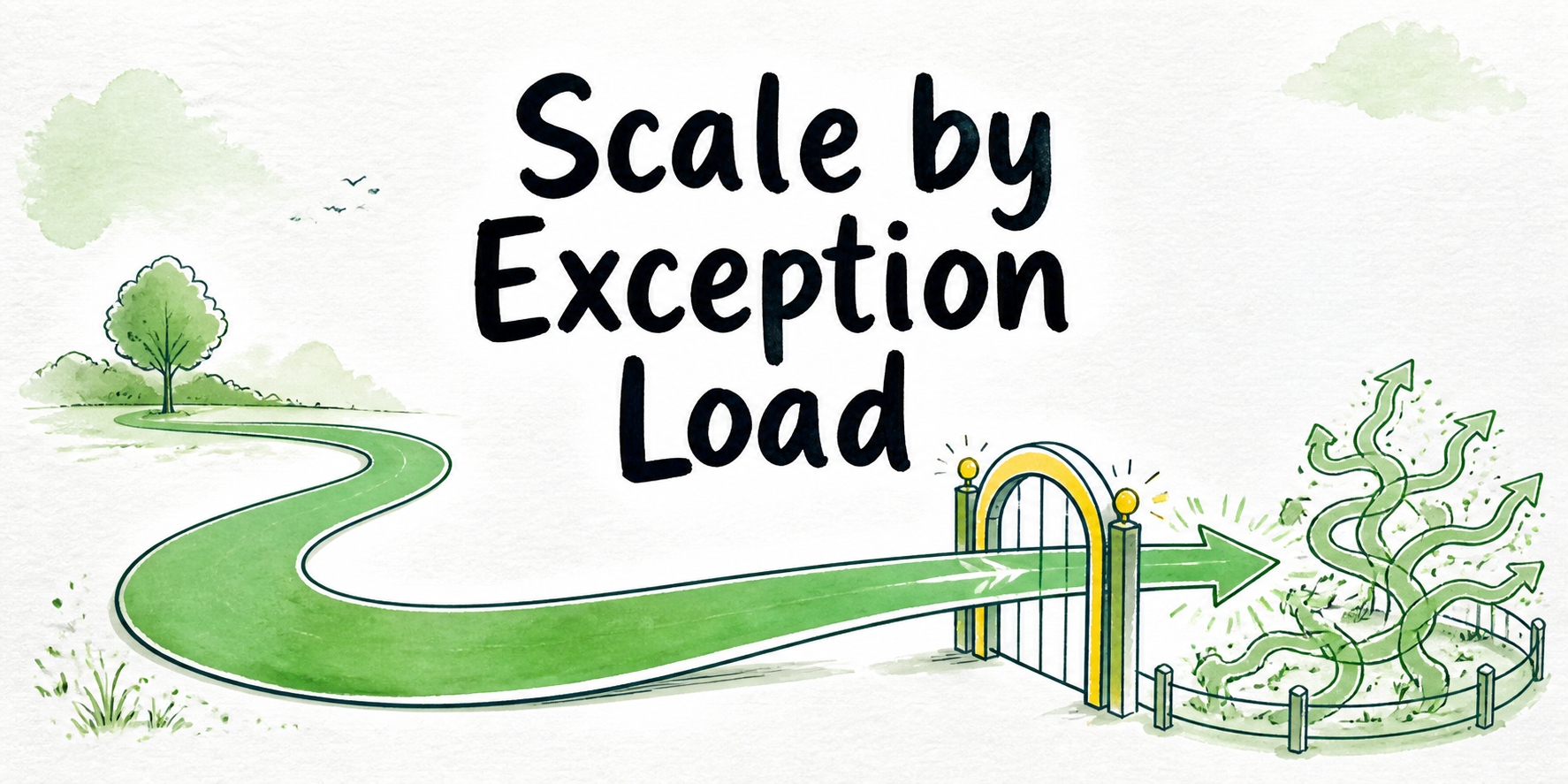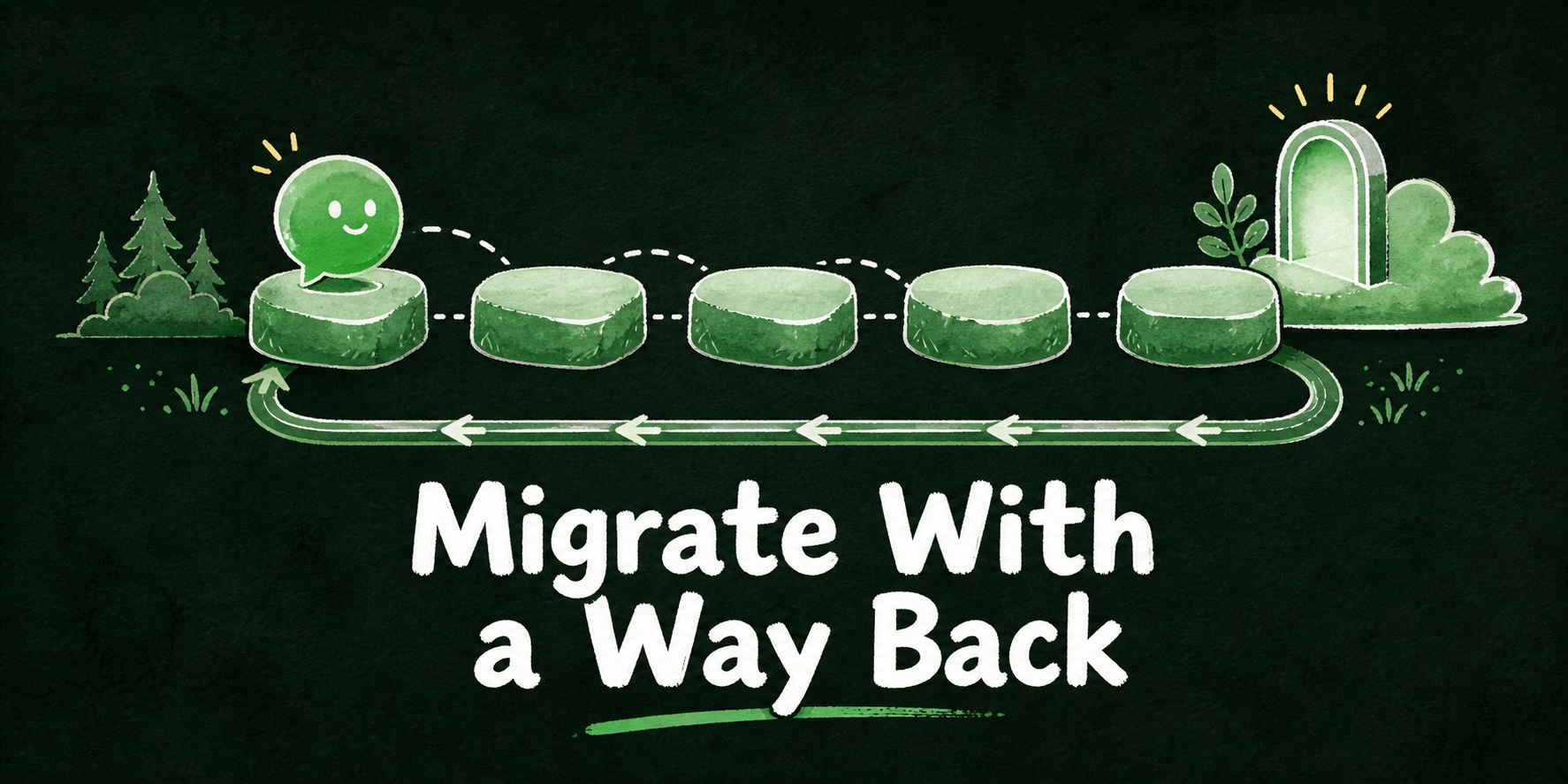
TL;DR
- Pick one branded AI chatbot workflow before configuration, training, testing, or launch work begins.
- Score each candidate on business value, repeat frequency, owned-source answerability, handoff clarity, risk, setup effort, and measurable outcome.
- Write a compact workflow contract with user intent, allowed inputs, answer or output, source requirements, human handoff, exclusions, owner, and success measure.
- Use support, lead, SEO, email, and content workflows as comparable candidates, not as a broad use-case catalog.
- Postpone workflows with missing sources, unclear ownership, high-risk answers, weak volume, too many custom branches, or no measurable next action.
If your team is choosing between support answers, lead capture, SEO help, email responses, and content lookup, the blocker is not usually the chatbot category. The blocker is choosing one bounded workflow that can be answered from trusted sources, routed when needed, owned by a real person, and measured without inventing a new operating model.
Key Takeaways
The first workflow is not a feature list. It is a choice about what the assistant is allowed to do for a specific visitor or team intent.
A strong first workflow can be answered from owned sources, produces a defined answer or output, and has a clear handoff when the assistant should stop.
The best first workflow is often narrower than the most attractive long-term workflow. A repeat support question with clear source material may beat a broad lead, SEO, or content assistant if it is easier to bound and measure.
A workflow contract prevents vague behavior. Before setup starts, the team should be able to name the intent, inputs, output, sources, handoff, exclusions, owner, and success measure.
List Candidate Workflows Before You Score Them
Start by listing three to five candidate workflows in plain operational terms. Do not list broad labels like "customer support" or "marketing assistant" by themselves. Those labels hide the real decision.
A useful candidate workflow has two parts: the user intent and the business outcome. For example:
- Visitor asks repeat product questions, outcome: reduce manual support replies.
- Visitor asks whether they are a fit, outcome: route qualified leads with useful context.
- Marketer asks for SEO content inputs, outcome: turn owned source material into a draft brief or request.
- Team member asks for help responding to common emails, outcome: prepare a suggested response inside approved boundaries.
- Visitor or employee asks where to find content, outcome: answer from owned documents or website pages.
This article treats those as workflow candidates, not full playbooks. The goal is to compare them before you choose one. A branded ai chatbot workflow should be specific enough that two people on the team can describe the same allowed conversation.
For InsertChat-style deployments, the supplied website context points to assistants grounded in owned content, workflow control, and handoff. That framing is useful here because the first workflow should not depend on vague model behavior. It should depend on known sources, known visitor intent, and a clear next step when the assistant should route the conversation.
If a candidate cannot be written in one sentence, split it. "Answer support questions, qualify leads, draft SEO content, and help with email" is not one workflow. It is four or five workflows competing for the first build.
Score the First Workflow on Seven Criteria
Use the same scoring lens for every candidate. A simple low, medium, high rating is enough. The point is not mathematical precision. The point is to expose why one workflow is ready and another should wait.
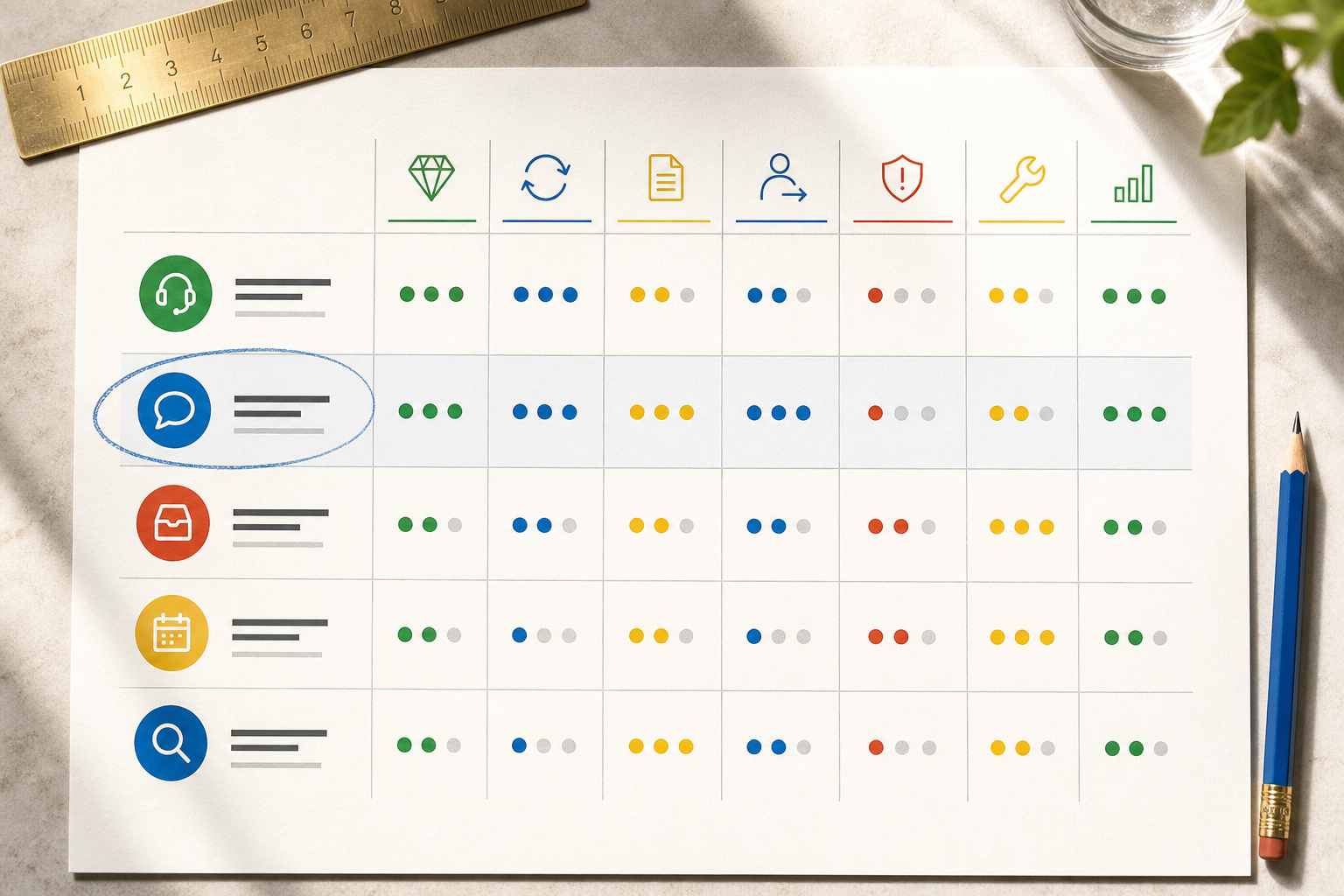
| Criterion | What to Check | Strong Signal |
|---|---|---|
| Business value | Does the workflow connect to a real cost, lead, sale, support load, or team bottleneck? | The outcome matters even if the first version is narrow. |
| Repeat frequency | Does the same intent appear often enough to justify setup? | The team sees the request repeatedly, not once a quarter. |
| Owned-source answerability | Can the assistant answer from website pages, docs, policies, product copy, FAQs, or other approved sources? | The answer can be grounded in content the team controls. |
| Handoff clarity | Is there a clear point where a person should take over? | The team knows who receives the handoff and what context they need. |
| Risk level | Could a wrong answer create legal, medical, financial, compliance, or trust risk? | The first version avoids high-risk advice or routes it early. |
| Setup effort | Can the workflow be configured without many custom branches? | The path has a small number of common inputs and outputs. |
| Measurable outcome | Can the team name one result to watch? | The workflow has a next action, such as routed lead, answered repeat question, completed intake, or prepared draft. |
The first workflow should score well across most criteria. It does not need to be the highest-value idea on the roadmap. A high-value workflow can still be a poor first choice if the sources are incomplete, ownership is unclear, or every conversation needs a custom path.
A practical rule: choose the workflow with the best mix of value and control. If two candidates look close, pick the one with stronger owned sources and cleaner handoff. Those two criteria usually make the difference between a workflow the team can configure now and one that turns into a wider requirements discussion.
Write a Workflow Contract Before Configuration
Once you choose the leading candidate, write a short workflow contract. This is not a full requirements brief. It is the minimum definition that keeps the assistant inside a useful boundary.
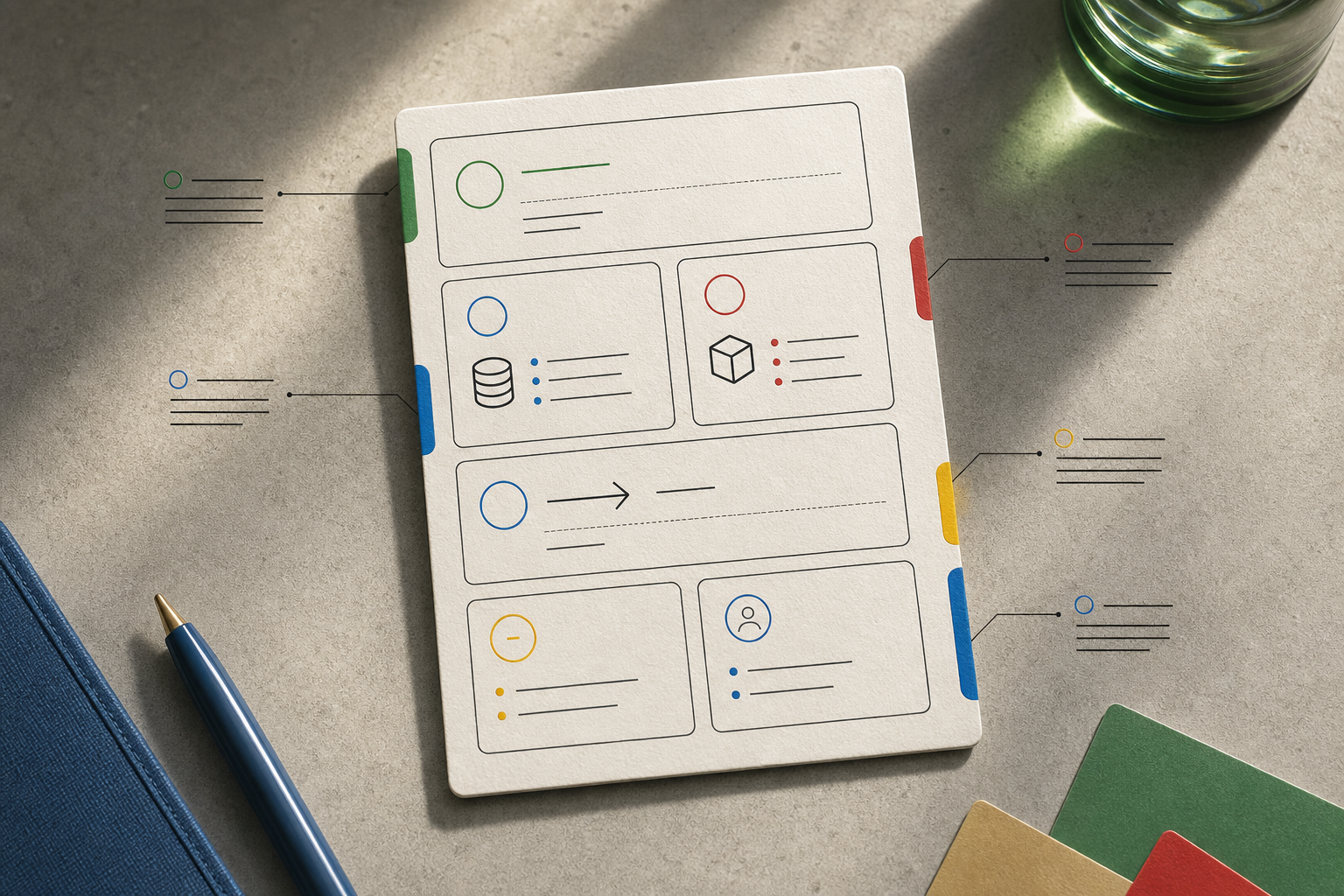
Use this format:
| Contract Field | Decision to Write Down |
|---|---|
| User intent | What is the user trying to do in this workflow? |
| Allowed inputs | What information can the user provide or ask about? |
| Answer or output | What should the assistant return, collect, draft, or route? |
| Source requirements | Which owned sources are allowed for this workflow? |
| Human handoff | When should the assistant stop and pass context to a person or system? |
| Excluded requests | What should the assistant not answer or attempt? |
| Owner | Who owns the workflow decision and future changes? |
| Success measure | What single outcome shows the workflow is worth continuing? |
For a support workflow, the contract might say:
User intent: visitors ask repeat setup and product questions before contacting support.
Allowed inputs: product name, account type, setup step, error description, or question about a documented feature.
Answer or output: a short answer from approved product docs or website content, with a handoff when the answer is missing or account-specific.
Source requirements: help docs, support FAQs, product pages, and approved policy pages.
Human handoff: route account-specific, billing, complaint, or unresolved questions to support with the visitor's stated issue.
Excluded requests: refunds, legal promises, custom troubleshooting beyond documented steps, and questions not covered by owned sources.
Owner: support lead.
Success measure: fewer repeated manual replies for the selected question set, or more complete context in support handoffs.
That contract is enough to guide the next setup step without turning this into content cleanup, voice rules, testing, launch planning, or reporting design.
Compare Five Workflow Examples in One Table
Use the same contract thinking across common workflow candidates. The table below shows how support, lead, SEO, email, and content workflows can be compared without turning each one into a separate project.
| Workflow Candidate | Likely Input | Useful Output | First Boundary | Good First Fit When | Use Caution When |
|---|---|---|---|---|---|
| Support workflow | Product, service, setup, order, or policy question | Answer from owned help content or route to support | No account-specific promises unless routed | Questions repeat and sources are already approved | Answers require judgment, exceptions, or sensitive handling |
| Lead workflow | Need, location, budget range, timing, property type, company size, or contact context | Qualified handoff with collected context | Collect and route, do not promise fit or pricing unless source-backed | Sales needs better intake before follow-up | Qualification rules are unclear or the team cannot act on routed leads |
| SEO workflow | Topic, page, keyword, audience, or source URL | Draft brief, outline input, or content request | Prepare inputs, not final publishing decisions | The team has owned source material and review ownership | The workflow drifts into unsupported claims or unreviewed publishing |
| Email workflow | Customer question, reply context, request type, or saved response source | Suggested response or routing note | Draft or classify, do not send without the required approval path | The same reply types appear often | The email requires negotiation, sensitive account detail, or legal language |
| Content lookup workflow | Question about website pages, docs, policies, or resources | Direct answer or link-style reference from owned sources | Stay within selected sources and route missing answers | Users waste time finding known information | Sources conflict or no one owns source updates |
A support candidate might win when the same questions arrive daily and the answer is already documented. A lead candidate might win when visitor handoff quality is the bottleneck and the team has a clear follow-up owner. An SEO or content workflow might win when the assistant is used by an internal team with clear review behavior, not when it is expected to publish or decide strategy by itself.
For a concrete scenario, imagine a SaaS team choosing between three candidates: onboarding support, lead qualification, and SEO content briefing. Lead qualification has high business value, but the sales team has not agreed on what makes a lead ready for follow-up. SEO briefing has useful internal demand, but source ownership is split across marketing and product. Onboarding support has repeat visitor questions, approved help content, a support owner, and a clear handoff for account-specific issues. In that case, the first workflow should be onboarding support. It is not the biggest possible workflow, but it is the cleanest one to bound.
Choose the Smallest Workflow With a Measurable Outcome
A workflow can be too broad, but it can also be too small. The right first workflow is the narrowest version that still connects to a business action.
"Answer all customer questions" is too broad. "Answer five repeat setup questions from the help center and route anything account-specific to support" is narrow enough to configure and measure.
"Help with leads" is too broad. "Collect property type, location, timing, and contact details, then route qualified inquiries to sales" is a workflow. In contexts like qualified lead workflows, the useful boundary is not that the assistant handles every sales conversation. The useful boundary is that it collects the right context and routes the next step.
"Help with ecommerce" is too broad. A narrower option might answer repeat product support questions and route exceptions. That framing fits e-commerce product support workflows, where product questions and support load are close enough to define one visitor workflow.
Pick one success measure before setup starts. Good first measures include:
- Repeat questions answered from owned sources.
- Qualified handoffs sent with complete context.
- Intake requests completed with required fields.
- Content requests routed to the right owner.
- Manual lookups reduced for a known source set.
Do not build a reporting system at this stage. One success measure is enough for workflow selection. Deeper reporting can wait until the workflow is live and has enough usage to interpret.
Postpone Workflows That Are Hard to Bound
Postponing a workflow is not rejecting it. It means the workflow is not the right first configuration target.
Postpone a workflow when sources are missing. If the team cannot point to approved pages, docs, policies, examples, or structured inputs, the assistant will be asked to fill gaps the business has not resolved.
Postpone when ownership is unclear. If marketing, sales, support, and product all disagree about the right answer or next step, the chatbot will expose that disagreement. Assigning an owner is part of making the workflow real.
Postpone high-risk answers unless the boundary is narrow and handoff is clear. Legal, medical, financial, compliance, claims, refunds, and account-specific decisions need extra caution. The first workflow should avoid advice or commitments that the team cannot source and route cleanly.
Postpone when volume is weak. A workflow can be easy to configure and still be a poor first choice if only a few people need it. Low-volume workflows are better later, after the team has proven a repeat pattern.
Postpone when there are too many custom branches. If every conversation needs a different decision path, the workflow is not ready. Reduce it to one intent, one source set, and one handoff path first.
Postpone when there is no measurable next action. If the workflow cannot produce an answer, handoff, completed intake, drafted response, routed request, or reduced lookup, it will be hard to tell whether it worked.
Hand the Chosen Workflow to the Next Step
After you choose the first workflow, carry forward the workflow contract. That contract should answer the implementation team's first questions before they configure anything: what the assistant should handle, what it should use as source material, when it should stop, who owns the workflow, and how the team will know it worked.
The next steps may involve source preparation, response behavior, brand handling, testing, launch, and later improvement, but those are separate workstreams. Do not let them pull the first workflow decision back into a broad launch plan.
For a branded assistant, the cleanest first implementation is usually one visitor or team workflow with owned-source answers and a handoff path. InsertChat's site context describes assistants across marketing, support, ecommerce, content, lead capture, handoff, and website visitor workflows. That range is useful only after the first workflow is bounded. Start with the one workflow your team can define without guesswork.
FAQ
How many workflows should a branded AI chatbot start with?
Start with one. You can list several candidates, but the first configuration target should be one workflow with clear intent, sources, output, handoff, owner, exclusions, and success measure. Multiple workflows can come later after the team proves the first one is useful and controlled.
Should support or lead capture go first?
Choose support first when repeat questions are common, answers are documented, and handoff rules are clear. Choose lead capture first when qualification fields are agreed, sales follow-up ownership is clear, and the handoff creates a measurable next action. If either workflow lacks sources, owner, or handoff clarity, postpone it.
What should we do if the best workflow has weak source material?
Do not make it the first workflow unless the missing sources are minor. Pick a better-bounded workflow or reduce the scope to the portion that can be answered from owned content. A chatbot should not be used to paper over unresolved source gaps.
What is the next decision after choosing the workflow?
Turn the workflow contract into setup inputs: selected sources, allowed answer behavior, handoff rules, exclusions, owner, and one success measure. Keep that step narrow. Full launch planning, testing, content preparation, and optimization can follow after the workflow boundary is settled.