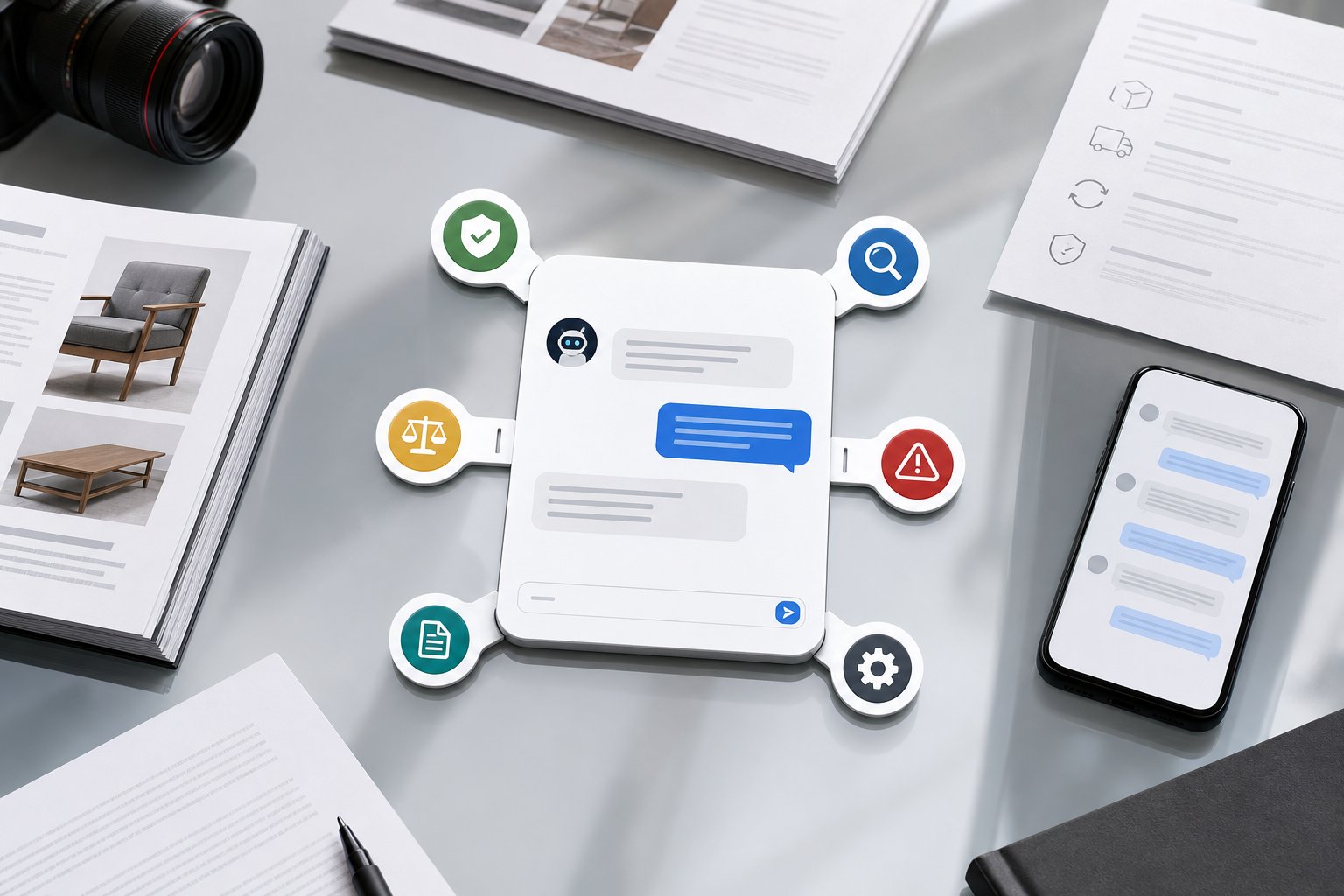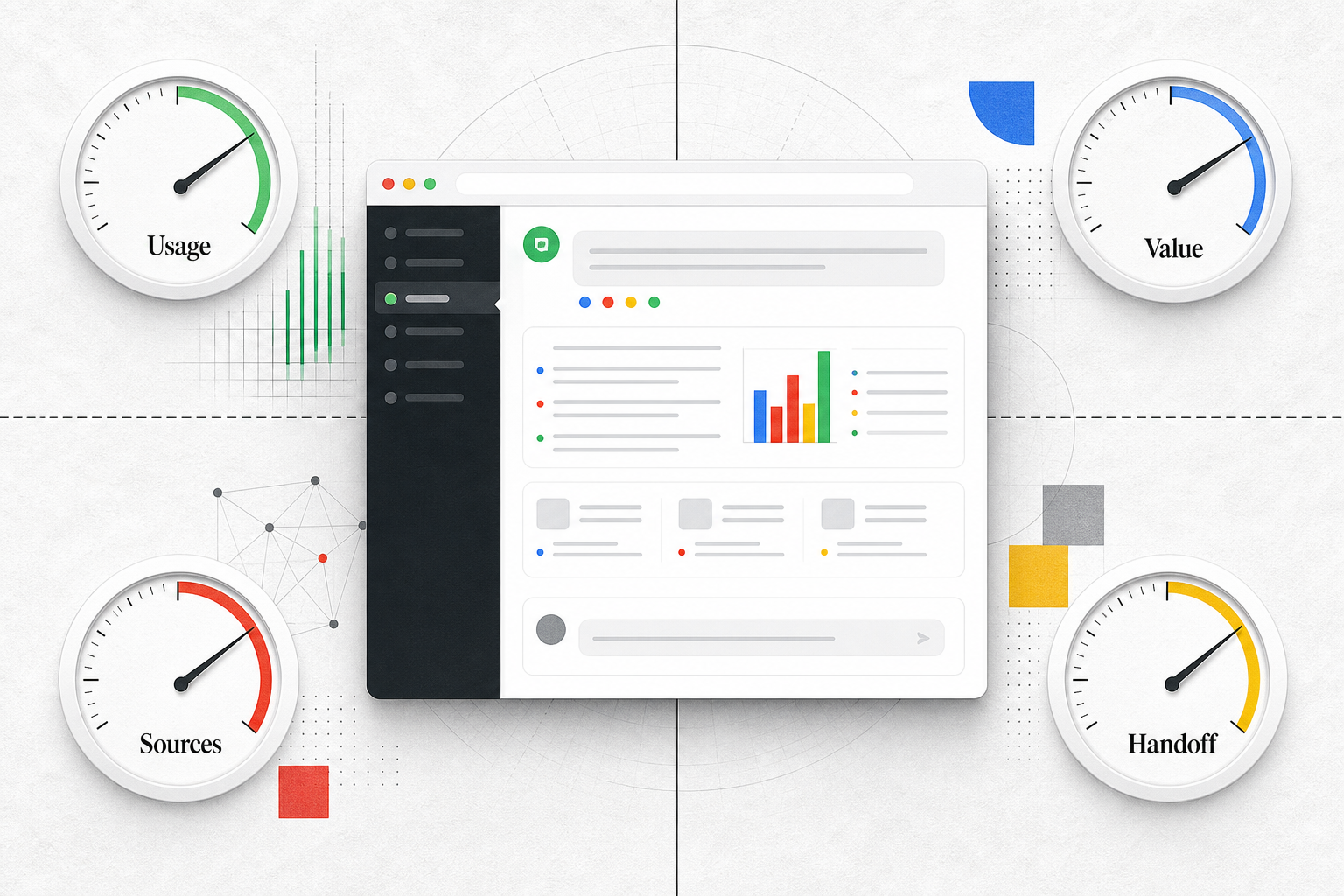
TL;DR
- Pick one buyer segment so every conversation tests the same demand pattern.
- Validate one painful workflow, not a general chatbot idea.
- Build a lightweight demo that makes the buyer react to a real workflow path.
- Use interviews to test current behavior, urgency, pricing sensitivity, and pilot approval.
- Set pilot pass/fail criteria before you package, price, or scale the offer.
- Treat broad requests and heavy custom scope as warning signs, not feature ideas.
You do not need a full rollout plan to validate white label AI chatbot offer demand. You need a narrow test that shows whether one buyer type has a painful workflow, reacts to a sample assistant, understands the pilot, and can see a path to paying for it without turning the first sale into custom services.
Key Takeaways
- Start with one buyer segment. Mixed feedback from agencies, SaaS teams, consultants, and service providers is hard to interpret because each buyer has different pain, budget, and delivery expectations.
- Pick one workflow with visible pain. The first validation sprint should test a repeated task with clear source content, clear handoff points, and a buyer who can explain what breaks today.
- Keep the demo narrow. A good demo lets the buyer see how the assistant would answer, qualify, or route one type of request. It should not imply a complete deployment.
- Ask about current behavior before asking about interest. Buyers often like the idea of AI, but demand shows up when they already spend time, money, or staff attention on the workflow.
- Define the pilot decision before price negotiation. A pilot should have a named owner, a narrow workflow, source content, handoff expectations, and a clear reason to continue or stop.
Pick One Buyer Segment Before You Build the Demo
The first validation constraint is the buyer, not the chatbot. Choose one segment that you can reach, interview, and serve without changing the offer every time.

A practical rule: use one buyer segment for the whole sprint. If you plan to sell to client-facing teams, do not run one interview with a marketing agency, one with a SaaS support team, one with a local service provider, and one with a course creator, then average the feedback. Their workflows may all involve visitor questions, but their buying triggers and support expectations will differ.
Pick a segment using three filters:
- Access: Can you speak with real buyers in this group within the sprint?
- Pain proximity: Do they already handle the workflow manually or through a partial workaround?
- Delivery fit: Can you serve the first pilot without inventing a new operating model?
If you still need help choosing the first buyer and workflow, use White-Label AI Chatbot Use Cases for Client-Facing Teams as upstream context. Then return to one segment for validation.
The tradeoff is reach versus signal quality. A segment that is easy to reach may give quick feedback, but weak pain creates polite interest. A harder-to-reach segment with a visible workflow may give fewer interviews and better evidence. For validation, useful evidence beats volume.
Write the segment in a sentence before building anything: "We are testing a white-label chatbot offer for client-facing teams that receive repeated booking-page questions and lose qualified leads when follow-up is slow." That sentence keeps the demo, questions, and pilot criteria focused.
A true white-label prerequisite still matters: the client-facing experience must be yours to package and present. If that point is not settled, use What Makes an AI Chatbot Truly White Label? before treating the validation sprint as a resale test.
Choose One Workflow With Visible Pain
A broad offer such as "AI chatbot for your website" is too vague to validate. Buyers cannot judge it against their day unless you attach it to a workflow they already recognize.
Choose one workflow that has three signs of visible pain:
- Repetition: The same questions, intake steps, or handoff patterns happen often enough to be noticed.
- Current ownership: Someone already handles the work, even if it is informal.
- Clear stopping point: The assistant can answer, qualify, collect context, or route the request without owning the entire customer journey.
For example, a booking-page lead capture workflow is narrow enough to discuss. The buyer can explain what happens when a visitor has a question before booking, who follows up, what information is missing, and when a human should take over. That is more useful than asking whether they want a chatbot for marketing, sales, and support.
InsertChat context is useful here because its indexed pages describe assistants across marketing, support, ecommerce, content, lead capture, handoff, and website visitor experience. For validation, that range should help you find one workflow category, not expand the sprint into several categories.
A good first workflow often starts from owned content: website pages, help content, policies, service descriptions, product pages, or booking instructions. If the assistant can answer visitor questions from owned content and then collect or attach context for follow-up, the buyer can evaluate the workflow without waiting for a full system build.
Use caution when the first workflow depends on sensitive data, unclear process ownership, or many exceptions. Those concerns may not kill the offer, but they can distort the first test. If the buyer spends most of the interview explaining edge cases, permissions, and internal politics, the workflow may be too heavy for initial validation.
Build a Demo That Tests the Conversation, Not the Whole Product
The demo has one job: make the buyer respond to a real workflow instead of an abstract promise.
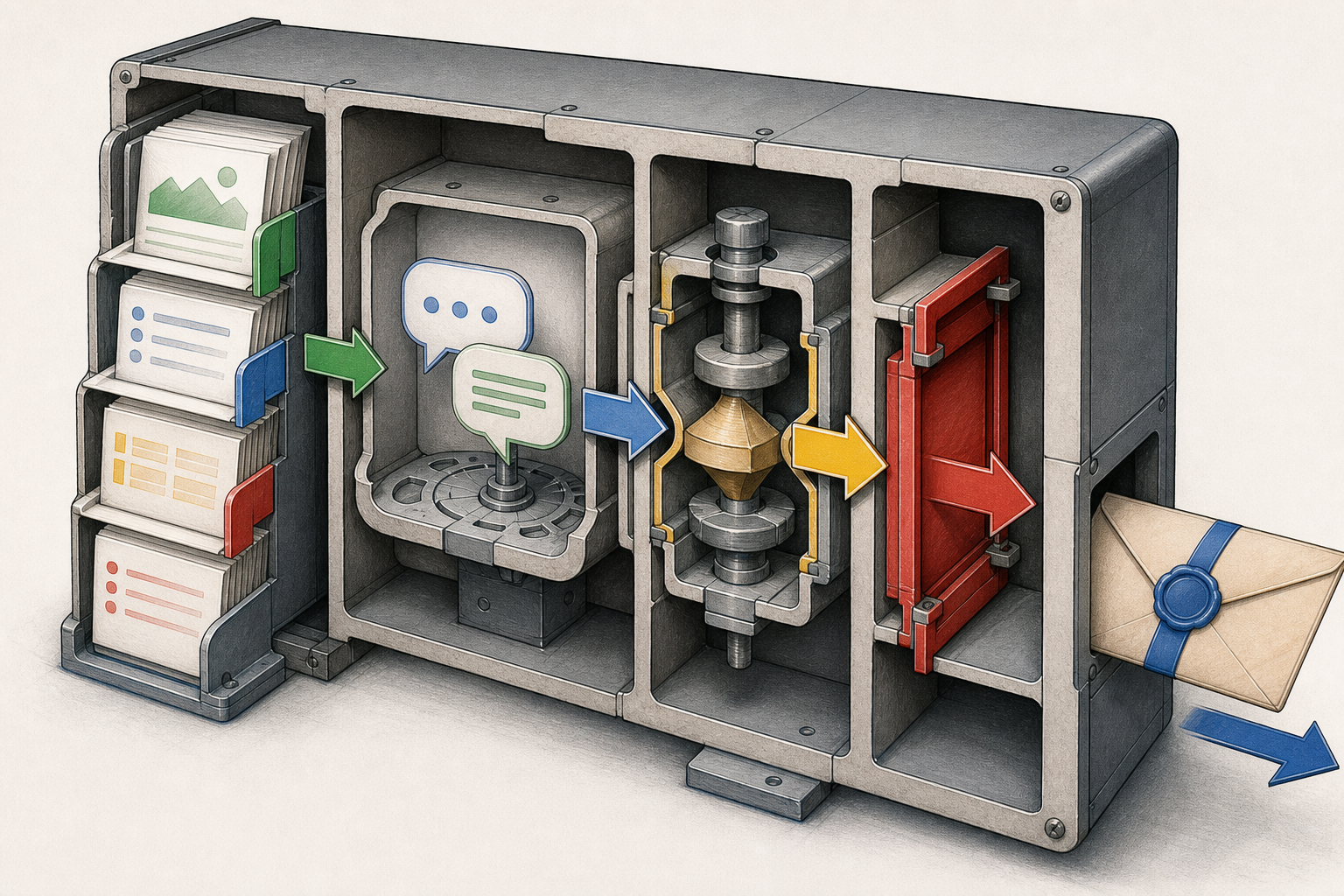
Keep the demo small enough that you can explain its scope in one breath. It should include one source set, one workflow path, one clear stop point, and one handoff expectation. If branding is part of the buyer conversation, show enough branded presentation to make the offer feel concrete, but do not pretend the production rollout is finished.
A minimum validation demo might show:
- The assistant answering repeated visitor questions from a small set of owned pages.
- A short qualification path for one inquiry type.
- A handoff moment where the assistant stops and passes context to a person.
- A short note about what is intentionally outside the pilot.
That last point matters. A demo that looks too complete can hide delivery effort. A demo that is too rough can make buyers react to presentation quality instead of workflow value. The useful middle is a sample assistant that feels specific enough to critique and narrow enough to change.
Do not turn the demo into a build tutorial. You are not validating whether you can connect every source, integration, and analytics view. You are validating whether the buyer has the pain, sees the workflow, trusts the narrow assistant path, and can imagine a paid pilot.
If interviews expose deeper deployment requirements around data, workflow routing, analytics, or operations, park those findings for later planning. The fuller build brief belongs after demand is clearer. For that next step, White-Label Conversational AI: Buyer Requirements Before You Build is the right handoff.
Use Interviews to Set Pilot Criteria and Test Pricing Sensitivity
Buyer interviews should test behavior, not opinions. Start with what happens today, then move toward the demo, pilot, and budget path.
Use questions like these:
- What happens today when this type of visitor question or request comes in?
- Who handles it, and what else are they responsible for?
- How often does this happen in a normal week or month?
- What gets delayed, missed, or repeated when volume rises?
- What have you tried already, and why did it not solve the problem?
- Which content, rules, or handoff notes would the assistant need for a limited pilot?
- Who would approve a pilot, and who would judge whether it worked?
- What proof would make a paid pilot worth approving?
- What budget would this likely come from?
- If the pilot only handled this one workflow, would that still be useful?
The best answers are specific. "Our coordinator answers those questions every morning" is stronger than "customers might like that." "We need the assistant to stop when the visitor asks about refunds" is stronger than "it should be smart."
Set pass/fail criteria before the pricing conversation takes over. A narrow pilot is stronger when the buyer agrees to the following:
- One workflow is worth testing without adding unrelated tasks.
- A named owner can provide source content and review outputs.
- The handoff point is clear enough to explain before implementation.
- The buyer can name the proof needed to continue after the pilot.
- The support risk feels manageable for your team.
- The buyer can describe the budget owner or approval path.
Avoid unsupported benchmark numbers unless you have your own data. Early validation should not depend on claiming a specific conversion lift, response-time improvement, or cost reduction. Instead, ask the buyer what change would matter enough for them to continue.
Pricing sensitivity is directional at this stage. Do not ask only, "Would you pay for this?" Ask what current manual work costs in time, what missed follow-up costs in lost opportunity, what budget category would fund it, and what proof would make payment reasonable. Those answers help you understand value before you invent a price point.
Watch for Signals the Offer Is Too Broad or Too Custom
Validation is not only about green lights. It should also show when the offer is drifting into a custom project.
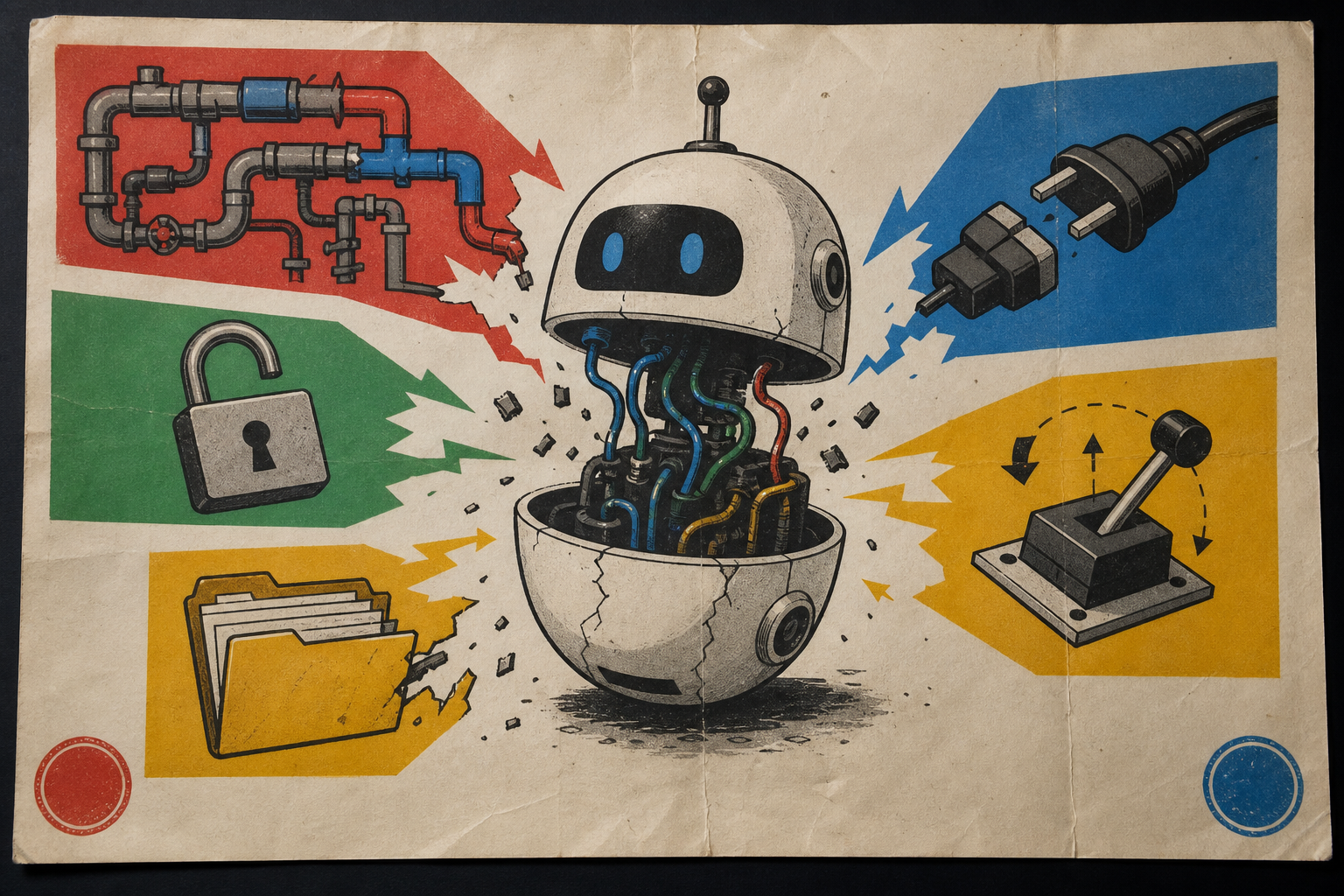
Watch for these warning signs:
- Each buyer wants a different workflow.
- Buyers cannot name who owns the current process.
- The demo creates interest only after you add several unrelated use cases.
- The pilot requires many buyer-specific integrations before value is visible.
- Source content is missing, outdated, or politically hard to approve.
- Handoff expectations are unclear or change during the conversation.
- Success metrics differ so much that you cannot compare pilots.
- Security, compliance, or data handling concerns dominate the first workflow discussion.
- Buyers want custom operations, reporting, or managed service work before the core assistant has proven value.
Some of these requests may become useful later. Integrations, guardrails, analytics, and client operations can matter in production. The validation question is narrower: do those requirements block a small pilot, or are they later-stage planning details?
If three buyers in the same segment all ask for the same narrow workflow and similar handoff expectations, you may have a repeatable offer. If three buyers ask for three different workflows, three different data setups, and three different success measures, you have interest in AI services, not a validated white label chatbot business idea.
The right response is usually to narrow, not to add features. Rewrite the offer around the repeated pain you heard. If no repeated pain appears, stop before packaging the service.
Scenario: Turn a Booking-Page Assistant Demo Into a Pilot Decision
Say you work with client-facing teams that use booking pages to capture qualified inquiries. You suspect they lose leads when visitors have questions before booking or when follow-up context is incomplete.
You choose one buyer segment: service teams with booking pages and repeated pre-booking questions. You choose one workflow: answer common booking-page questions, collect the visitor's goal and contact details, then hand off the qualified inquiry with context.
Your demo uses a small set of owned content: service page copy, booking instructions, basic policies, and a short qualification path. The assistant can answer questions about service fit, collect context, and stop when the visitor asks something outside the approved scope. The handoff note includes the visitor's stated need and the question that triggered human follow-up.
In buyer interviews, you do not start by asking whether they want an AI assistant. You ask what happens today when a visitor has a booking question, who responds, what information is missing, and what would make a pilot worth testing.
The feedback gives you four possible outcomes:
- Pilot: Several buyers describe the same missed follow-up problem, can provide content, accept the narrow workflow, and name a decision owner.
- Narrow: Buyers care about lead capture, but only one subtask repeats across conversations, such as collecting required context before handoff.
- Reposition: Buyers do not call it a chatbot offer. They respond better to a booking-page inquiry assistant or branded lead capture assistant.
- Stop: Buyers like the demo, but no one owns the problem, no one can provide content, and no paid pilot path appears.
Your pilot criteria might be simple: one booking-page workflow, one source set, one named reviewer, one handoff path, and one buyer-defined success measure. If the buyer asks for website-wide support, CRM automation, policy logic, and custom reporting before the first test, that is a scope warning. You can log it, but you should not expand the pilot around it.
This is how the validation sprint turns interest into a decision. You either run a focused pilot, narrow the offer, change the language, or stop spending time on an offer that is not yet repeatable.
FAQ
How many buyer interviews are enough before a pilot?
Use enough interviews to see whether the same pain, workflow, owner, and pilot objections repeat. The supplied context does not support a fixed benchmark. A small number of specific conversations in one segment is usually more useful than many mixed conversations across unrelated buyer types.
Should I validate before choosing a full white-label platform?
Yes, as long as the validation demo does not misrepresent ownership or production readiness. You can test demand with a narrow sample assistant and buyer conversations before committing to a full rollout. Platform requirements matter once buyers show real pilot intent.
What if buyers ask about security, integrations, or analytics during validation?
Treat those questions as pilot feasibility signals. If they affect whether a narrow pilot can happen, capture them. If they belong to a full deployment plan, hold them for the requirements stage instead of expanding the validation sprint.
Can InsertChat be used during this validation process?
InsertChat context fits the validation pattern when you need to browse assistant workflow pages, test owned-content answers, and think through handoff workflows. Keep the first test narrow: one buyer segment, one workflow, one demo, and one pilot decision.