TL;DR
- A white-label AI chatbot is not just a chatbot with your logo on it. It must let you own the client-facing experience and explain how the assistant operates.
- Cosmetic branding covers surface details like colors, labels, and a widget name. True white-label ownership also covers embed behavior, support responsibility, data expectations, and handoff.
- A resellable AI chatbot needs a clear answer for who the client sees, who supports the client, what happens when the assistant cannot answer, and how visitor conversations move forward.
- Free AI tools can help you sketch sample questions and workflows before you commit, but they do not prove that a platform can support a branded client relationship.
- If a platform cannot clearly answer ownership questions, do not treat it as ready for a white-label chatbot offer yet.
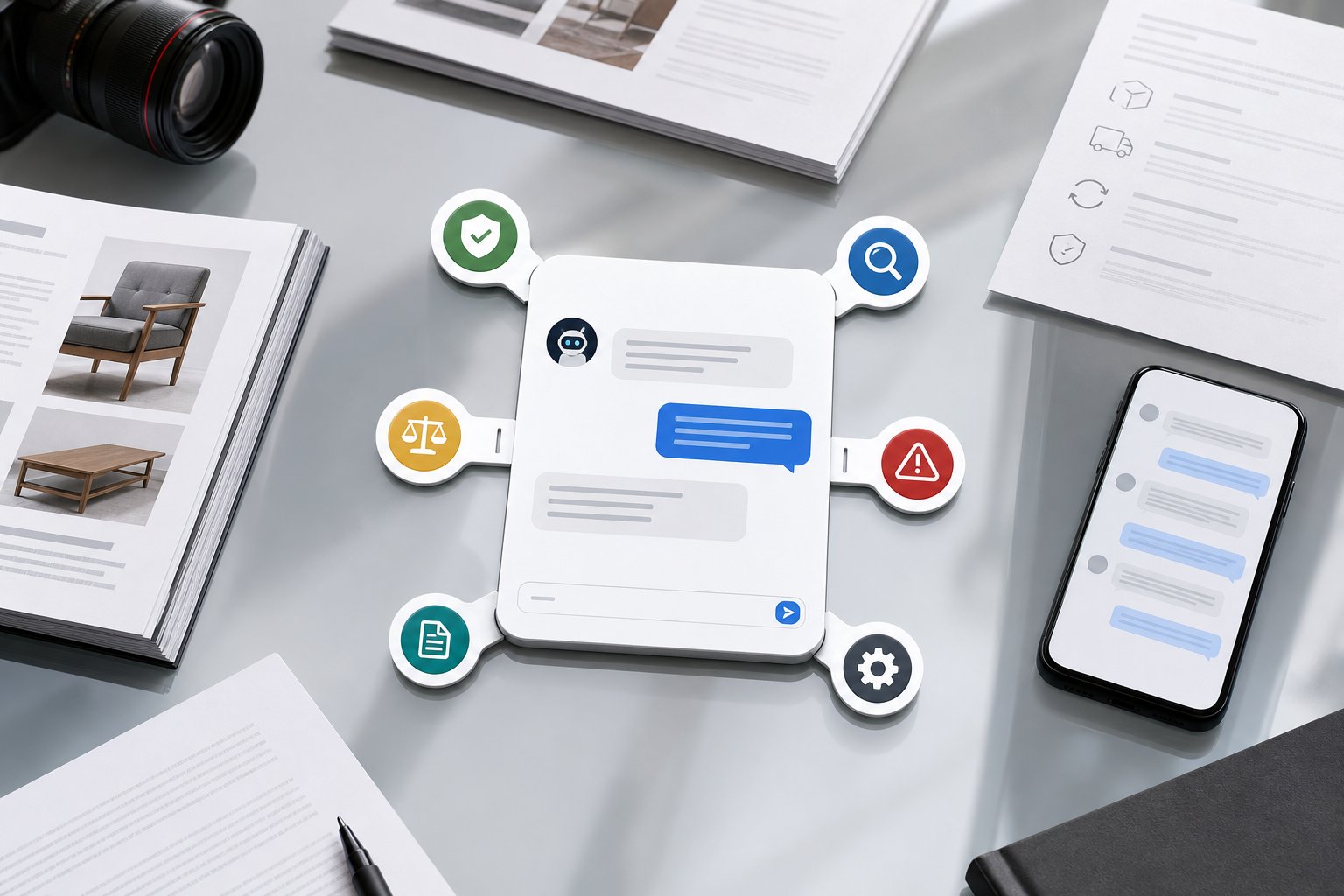
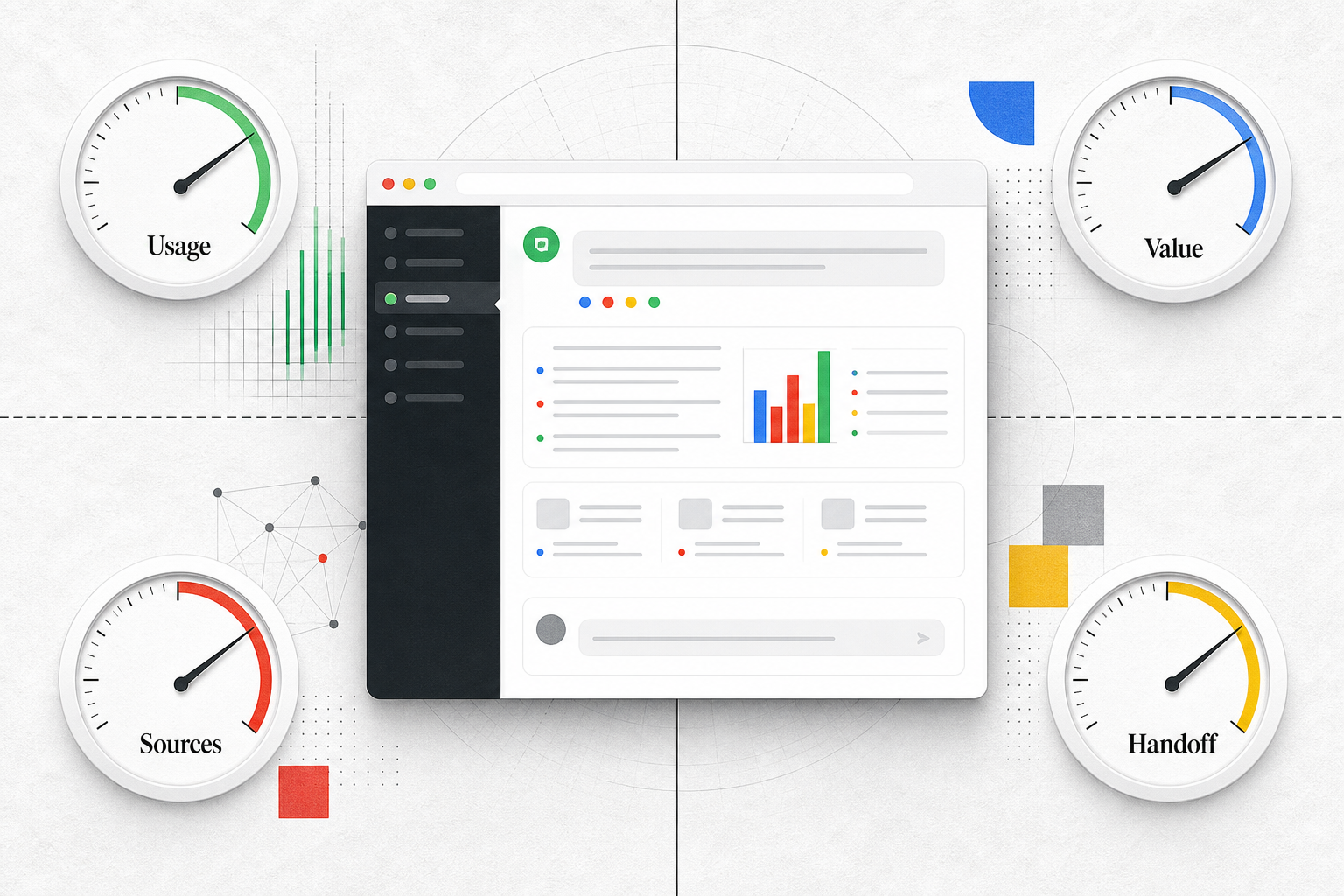
You may already understand the basic white label chatbot meaning: one company provides the underlying software, and another presents it under its own brand. The harder question is what is a white label AI chatbot when it has to work in front of real clients, on real websites, with real visitor conversations. This guide separates a logo-swapped chatbot from a genuinely resellable AI chatbot by focusing on practical ownership: brand control, embedded client experience, support responsibility, data expectations, and handoff.
Key Takeaways
True white label means you can control the experience the client and end user actually encounter: the visible brand, the embed, the support path, the handoff route, and the explanation of how data is handled.
A branded AI chatbot is not automatically a white-label AI chatbot. A branded widget may look like yours while the provider still owns the user experience, support expectations, or client-facing account structure.
A resellable AI chatbot needs more than a polished demo. It needs enough operational clarity that you can put it in front of a client without hiding how the assistant works when it answers, collects information, or routes a conversation to a human.
Free AI tools can be useful early signals, but they should not be mistaken for a platform that supports branded deployment, client administration, security explanation, or support ownership.
This article is a definition lens, not a vendor comparison, pricing guide, packaging plan, or full requirements checklist.
What a White-Label AI Chatbot Must Own
A white-label AI chatbot is an AI-powered assistant that another company can present, operate, and support under its own brand for clients or end users. The underlying software may come from a third-party platform, but the client-facing relationship should not feel borrowed from that platform.
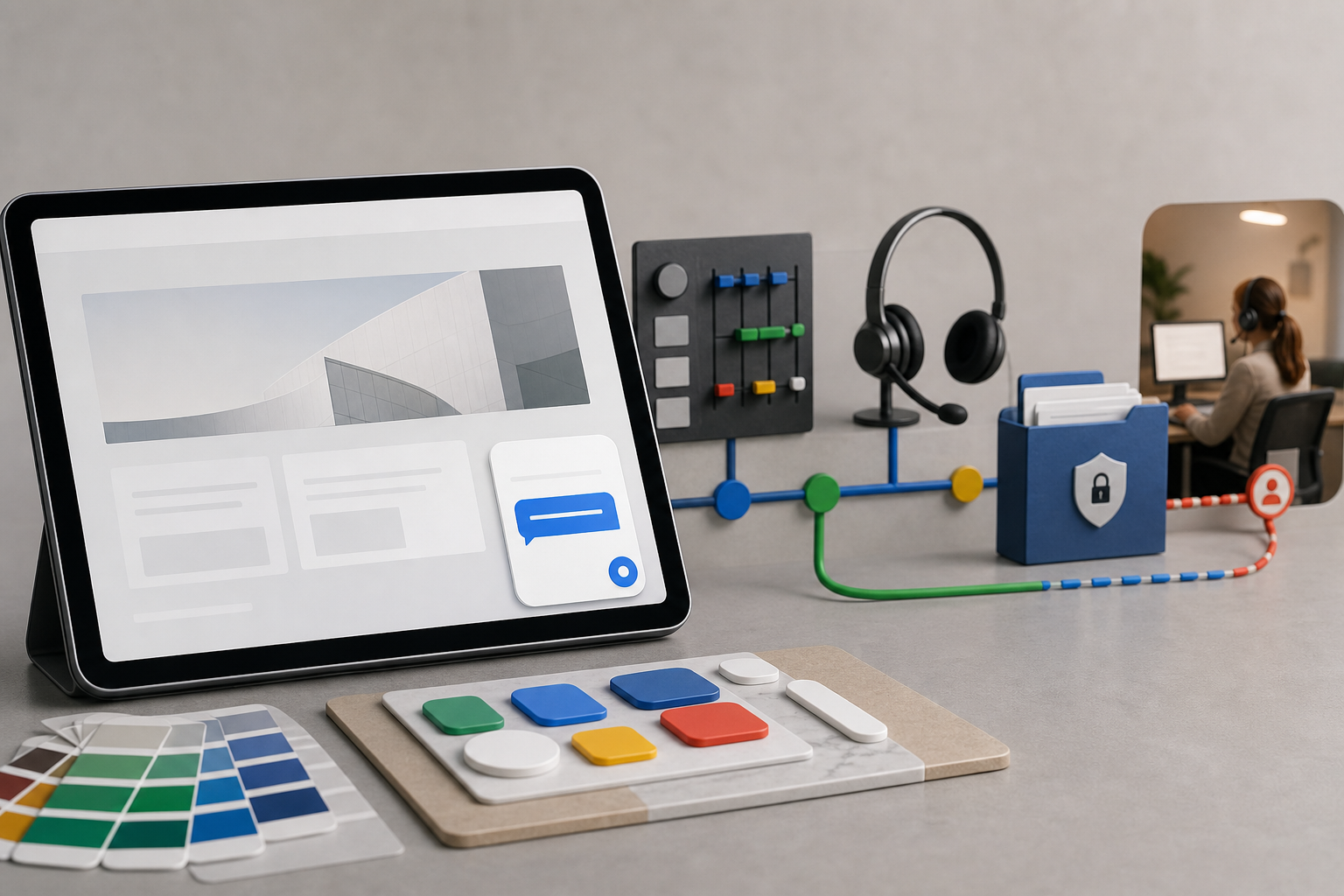
That definition has two layers. The first is visible branding: name, colors, launcher style, welcome language, and the surrounding website experience. The second is operational ownership: who controls the assistant, who configures the experience, who handles support, what happens when the assistant cannot answer, and what data or conversation context may be involved.
If you cannot answer those questions clearly, you may have a branded chatbot, but not a resellable white-label chatbot.
The distinction matters because client-facing AI is not only a visual asset. It becomes part of the visitor workflow. It may answer product questions, collect contact details, route a support request, or prepare a conversation for a human. Once that happens, the assistant is part of the operating model behind the website.
A platform built for branded assistants should therefore be evaluated by whether it can support owned content, workflow control, and handoff expectations. InsertChat's site language uses that kind of framing around branded assistants for website visitor experience, but the same ownership test applies to any platform you are evaluating. The point is not whether the chatbot can say the right words in a demo. The point is whether the whole experience can carry your client relationship.
Cosmetic Branding Is Not Enough for Resale
Cosmetic branding is useful, but it is not the same as white-label ownership.
A cosmetic setup may let you change the chatbot icon, adjust colors, rename the assistant, and paste an embed script on a client site. That can be enough for an internal prototype or a lightweight proof of concept. It can also be enough when the client understands that the chatbot is a third-party widget and does not expect you to own the full experience.
It becomes weak when you plan to resell the assistant as part of your own offer.
The failure mode is simple: the chatbot looks like yours until something real happens. A visitor asks a question the assistant cannot answer. A lead needs to be routed. A client asks where transcripts live. Someone wants to know who fixes the assistant when it gives an outdated response. A support issue exposes the provider brand or sends the client into a vendor-owned help path.
Use this decision rule: if the client would still experience the software vendor as the operator, it is not truly white label for resale. The vendor may still power the system behind the scenes, but the client-facing experience, expectations, and support route need to be clear enough for you to stand behind.
A resellable AI chatbot does not need to hide every technical dependency. It does need to avoid a confusing client experience where the brand says one thing, the support path says another, and the operating responsibilities are unclear.
Use Free AI Tools to Test Interest, Not Ownership
Free AI tools can be a useful lead-in before you commit to a branded assistant platform.

You can use them to sketch common visitor questions, draft sample answers, summarize a client's website content, or demonstrate how a conversation might flow. That can help you see whether a chatbot workflow is concrete enough to discuss with a client.
But free tools do not prove white-label readiness. A free general-purpose AI tool usually does not tell you whether you can embed a branded assistant on a client website, manage the client experience, explain data handling, assign support responsibility, or route conversations to a human or connected workflow.
Treat free tools as a sketchpad, not the product. They can help you move from a vague idea to a clearer example. They should not be used as evidence that you have a platform ready for resale. A strong sample conversation can make a chatbot feel ready before the ownership questions are answered.
A Simple Ownership Test Before You Commit
Use this compact test before treating any platform as a white-label AI chatbot candidate. It is not a full vendor checklist. It is a threshold test for whether the platform can support true ownership instead of cosmetic branding.
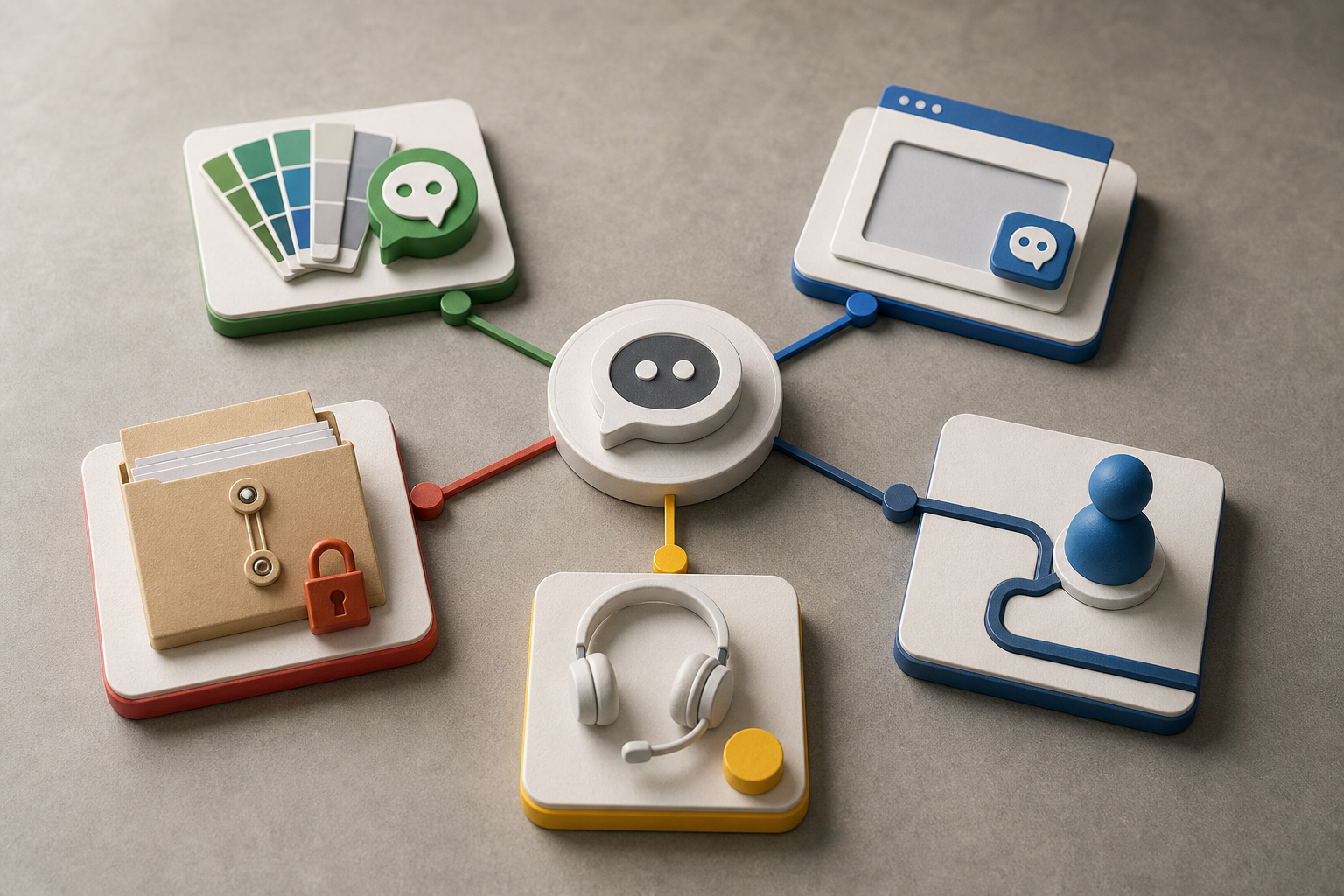
| Ownership area | Cosmetic branding looks like | True white-label ownership should clarify |
|---|---|---|
| Branding control | You can change colors, logo, and assistant name. | You can control the client-facing identity without confusing vendor exposure in normal use. |
| Embedded client experience | You can paste a widget on a site. | The assistant fits the client property, visitor context, and expected conversation flow. |
| Data and security expectations | The platform says conversations are handled somewhere in the system. | You can explain what conversation data may be involved, where expectations are documented, and what you can or cannot promise. |
| Support ownership | The vendor helps you if something breaks. | The client knows who supports the assistant, who handles configuration issues, and when the provider is involved behind the scenes. |
| Handoff path | The bot says it will contact someone. | There is a clear path for unanswered questions, lead routing, support escalation, or human follow-up. |
The point is not to demand every advanced capability on day one. The point is to avoid selling a client-facing assistant when the basics of ownership are still vague.
If a platform passes the branding test but fails the support or handoff test, you are not ready to treat it as a full white-label offer. If it can explain the visible experience and the operating responsibilities behind it, it deserves deeper evaluation.
Data and security deserve careful wording. This article cannot replace legal, compliance, or security review. The practical question at this stage is narrower: can you explain the platform's data and security expectations accurately, without guessing or inventing assurances? If the answer is no, do not sell the assistant as if those expectations are settled.
One Scenario: A Branded Website Assistant for a Client
Suppose you provide website or content services for a client. The client wants a chatbot that can answer visitor questions from their owned website content and route follow-up to a human when needed.
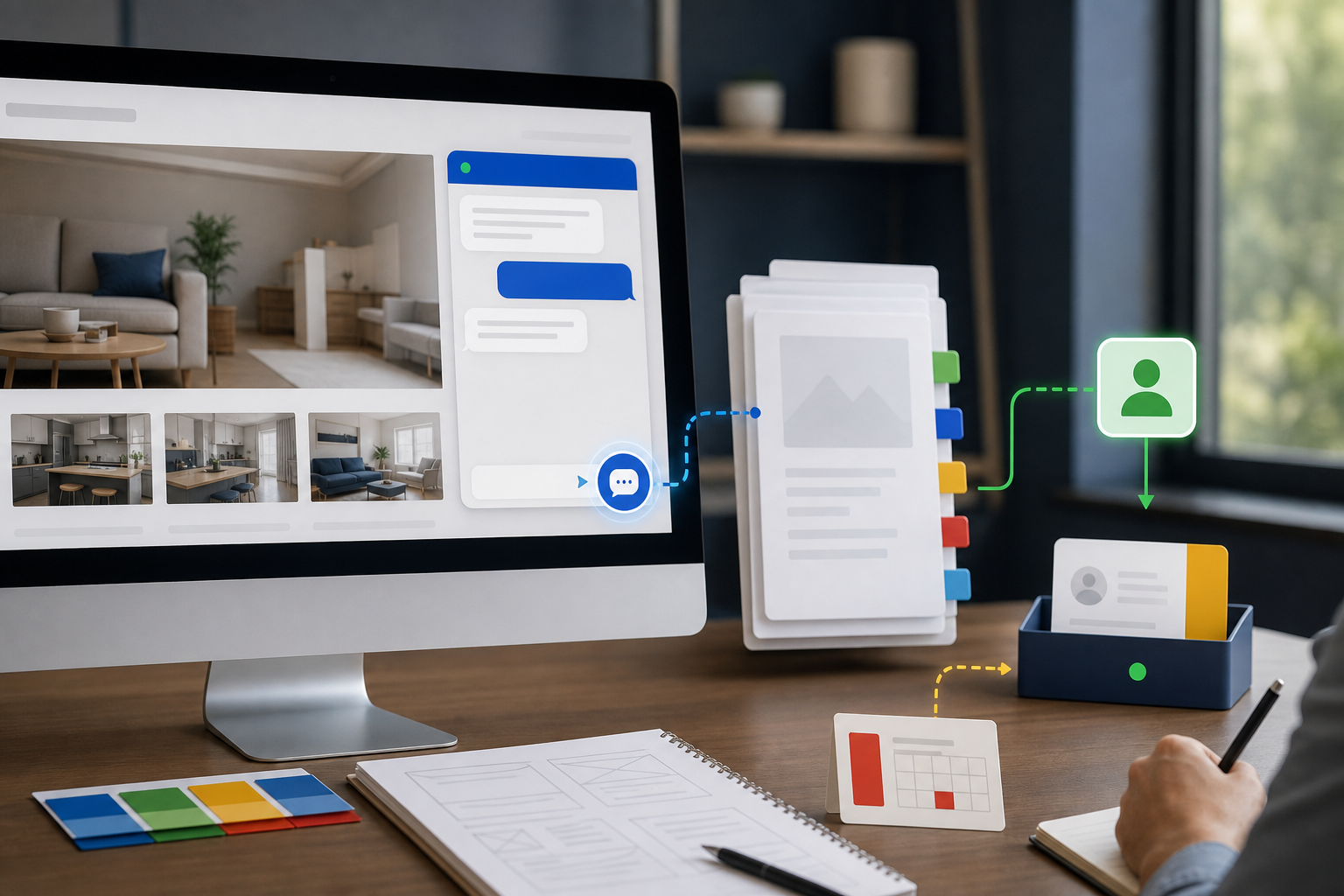
A cosmetic version of the offer is easy to imagine. You add the client's logo, adjust the color, name the assistant, and place the widget on the site. In a demo, it answers a few sample questions well. The client likes how it looks.
Then the real questions start. Who updates the assistant when the client's service pages change? What happens when a visitor asks for a quote, appointment, or account-specific answer? Where does the conversation go if the assistant cannot help? Who receives the support request if the widget fails? Can you explain the data expectations to the client without vague promises?
If those answers are unclear, the setup is only cosmetically branded.
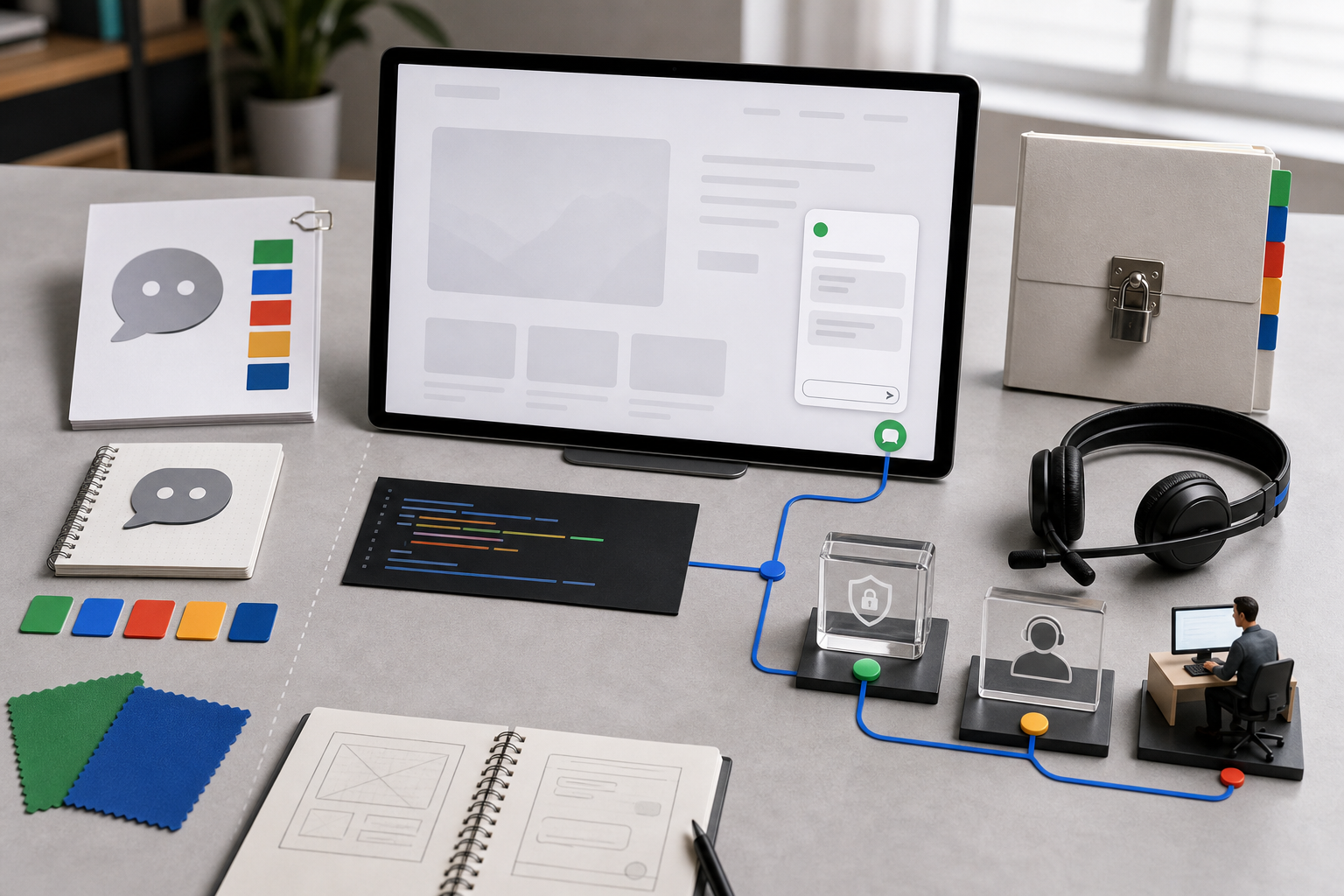
A true white-label version has more operational shape. The assistant is embedded as part of the client website experience. It is grounded in owned content where appropriate. It has a defined role: answer common visitor questions, collect necessary context, and route the conversation before a human needs to step in. The support path is clear enough that the client knows who to contact. The handoff expectations are clear enough that visitors do not get trapped in a dead-end conversation.
This does not require a broad use-case map or a complex packaging plan. It only shows the ownership line. A client-facing assistant becomes resellable when the branded experience and the operating responsibility match each other.
For teams evaluating branded website assistants on owned content, InsertChat also publishes broader AI assistant solutions for content-rich websites. That kind of next-step page is useful after you have already defined what ownership needs to mean for your own client relationship.
Questions to Ask Before Choosing a Platform
Before committing to a platform, ask ownership questions first. Pricing, packaging, and vendor comparisons come later.
Use these questions to keep the evaluation tied to white-label ownership:
- Can we control the assistant name, visual style, welcome language, and client-facing presentation?
- Will the client or visitor see the platform brand during normal use, onboarding, error states, or support interactions?
- Does the embed feel native to the client property, or does it behave like a detached third-party widget?
- Who supports the client when the assistant gives a poor answer, fails to load, or needs configuration changes?
- What can we explain about conversation data, retention, access, and security expectations without making unsupported claims?
- How does the assistant hand off to a human, inbox, CRM, support tool, calendar, webhook, or other follow-up path when the conversation needs action?
- Can we manage the assistant's role around what it should answer, collect, or route before a human becomes responsible?
- Can we present this assistant as part of our own client relationship without hiding how it works?
If those questions produce vague answers, pause. You may still have a useful chatbot tool, but you do not yet have enough clarity to treat it as a true white-label platform.
This is also where model choice can matter, but only in service of the visitor experience. A platform's model options should help the assistant answer better, control cost, or fit the workflow. They should not distract from ownership basics. InsertChat's page on model choice for branded assistants frames model choice around real visitor experience rather than a model catalog.
The next decision is simple: can you describe the assistant's ownership model without relying on assumptions? If yes, the platform may deserve deeper evaluation. If no, stay at the definition stage until branding, embed experience, support responsibility, data expectations, and handoff are clear. You also need deeper review when the assistant will handle regulated workflows, sensitive data, complex approvals, or more agentic automation; this definition lens does not replace that work.
FAQ
What is a white label AI chatbot?
A white-label AI chatbot is an AI chatbot that another company can present and operate under its own brand. In practical terms, it should support more than a logo change. It should give you enough control over the client-facing experience, support path, data expectations, and handoff to stand behind the assistant.
Is a branded AI chatbot the same as a white-label chatbot?
Not always. A branded AI chatbot may use your colors, logo, and assistant name. A true white-label chatbot also clarifies who owns the client experience, who supports it, how it embeds into the client's property, and what happens when the assistant cannot complete the conversation.
Can free AI tools be used before buying a white-label chatbot platform?
Yes, but only as a lead-in. Free AI tools can help you sketch sample questions, draft responses, or explore whether a visitor workflow is worth discussing. They do not prove that you can deploy, support, or resell a branded assistant.
What makes an AI chatbot resellable?
A resellable AI chatbot has a clear client-facing identity and a clear operating model. You should know how branding works, where the assistant appears, who supports the client, what data expectations can be explained, and how conversations hand off to a human or system when needed.
What should I ask before committing to a platform?
Ask whether you control the visible brand, how the assistant embeds into client properties, who handles support, what data and security expectations can be explained, and how unanswered or action-oriented conversations are handed off. If those answers are unclear, the platform may only support cosmetic branding.
When should I go beyond this definition lens?
Go deeper when the assistant will handle regulated data, complex internal workflows, high-risk actions, or more agentic automation. This article helps you identify true white-label ownership; it does not replace a full requirements review or vendor evaluation.