TL;DR
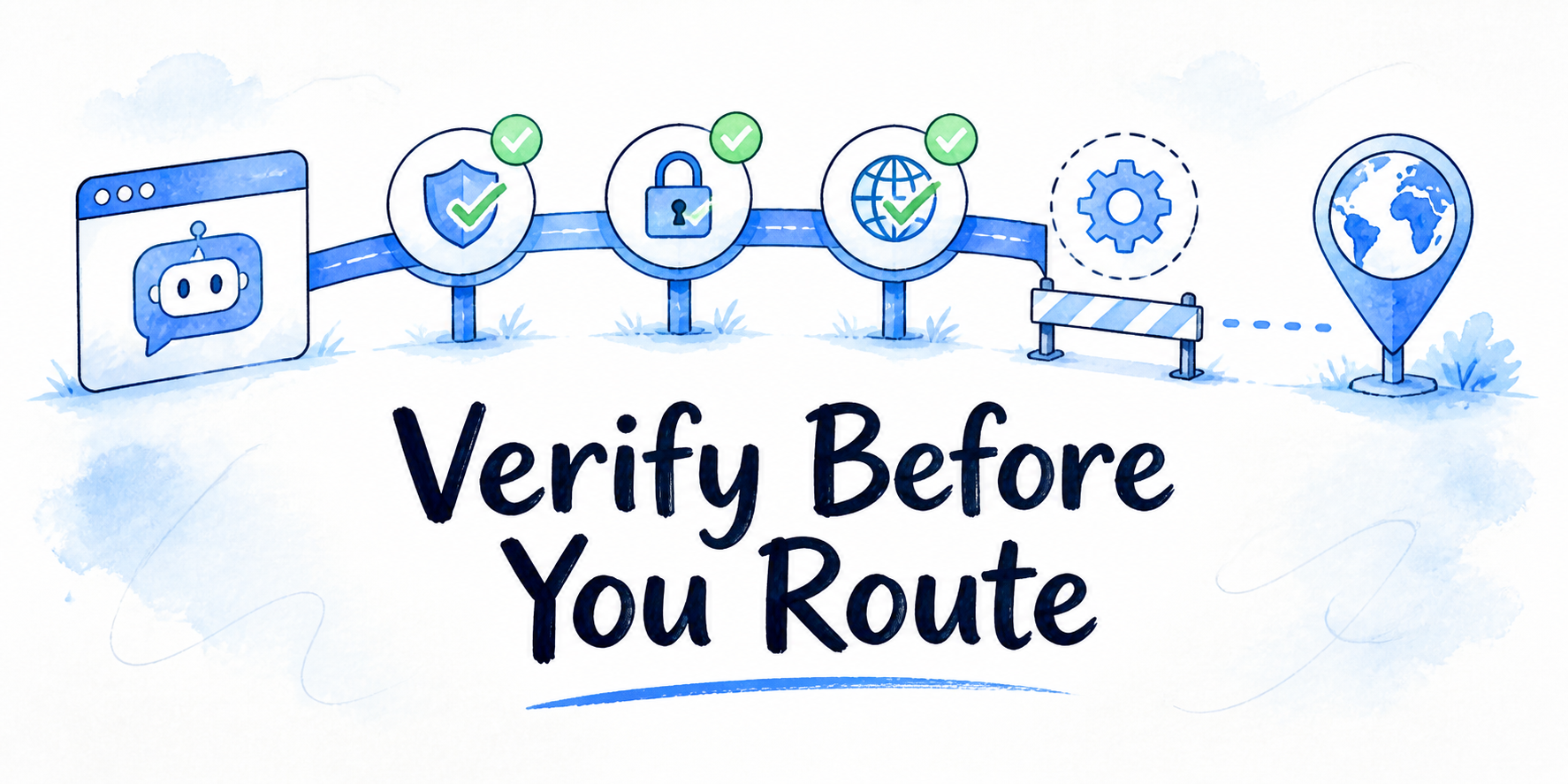
- Admit a client only when its workflow, approved sources, owners, access requirements, handoff, review needs, and intended outcome are clear.
- Keep the first deployment in pilot until QA is complete and its actual operating burden is visible.
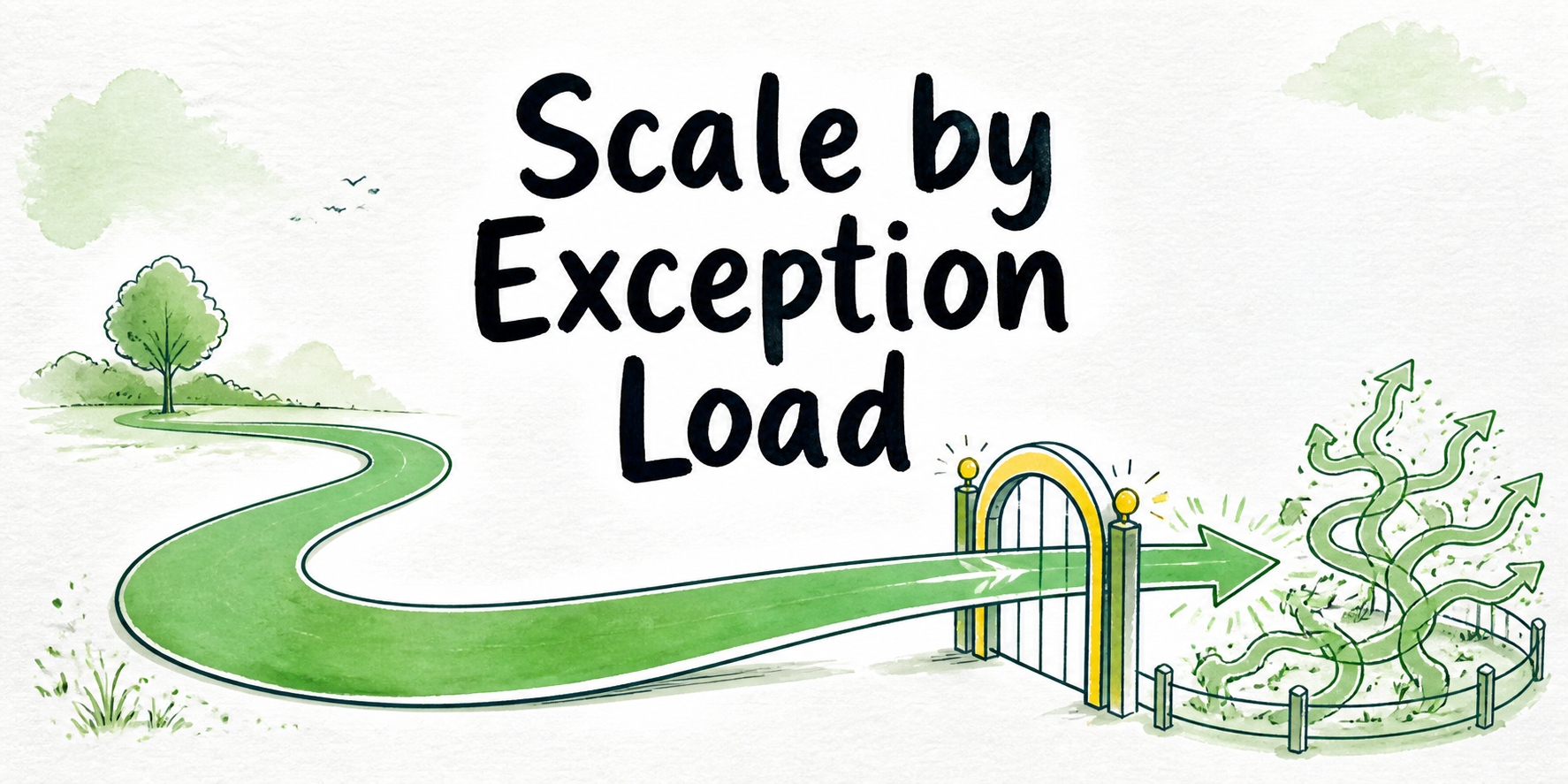
- Replicate only when the core work is reusable, client variation is bounded, exceptions are manageable, and review capacity is available.
- Pause or narrow a rollout when permissions, sources, ownership, QA, escalation, or support responsibilities remain unresolved.
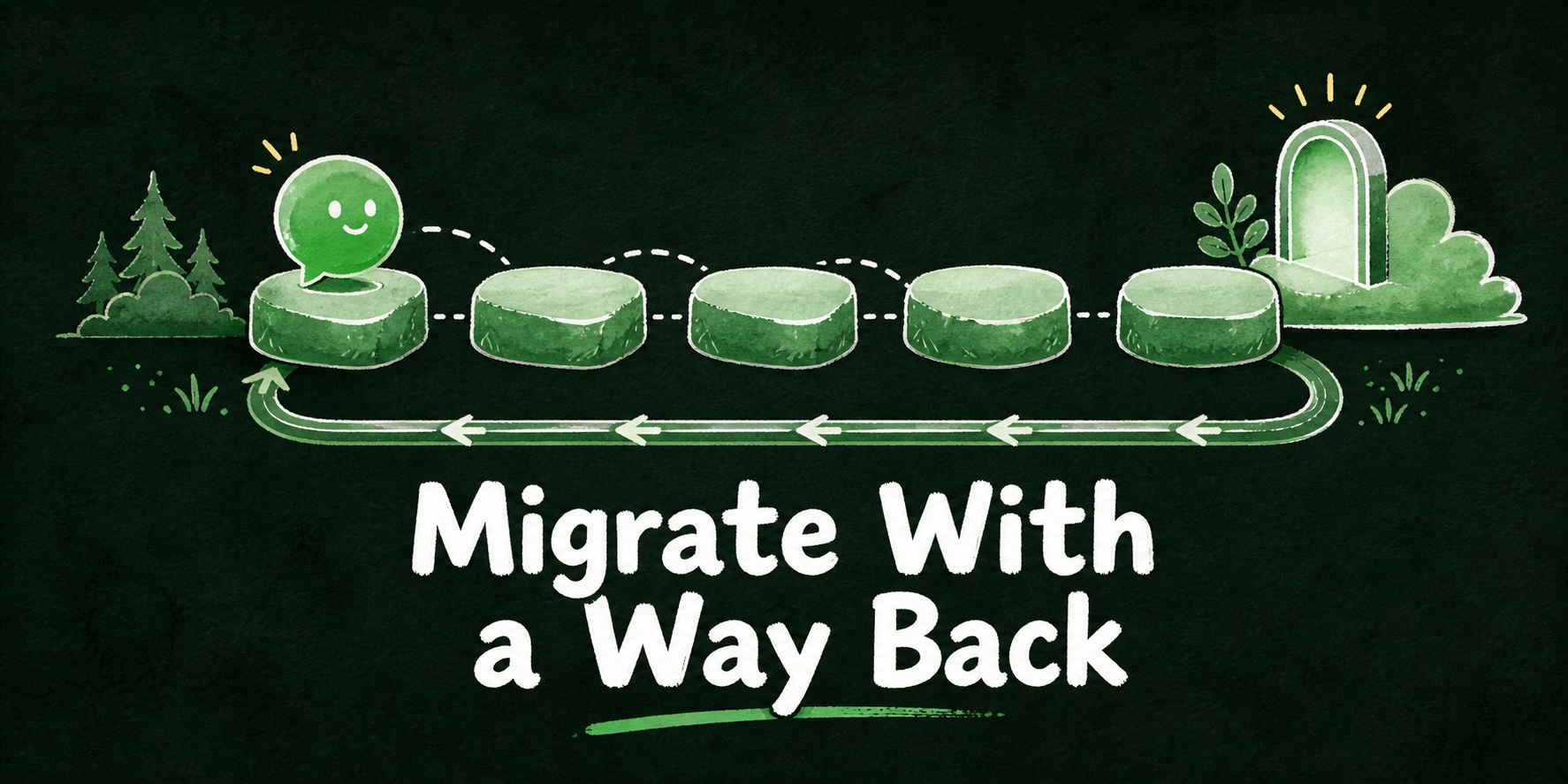
- Prepare every deployment for a possible exit before expanding it.
One successful assistant does not prove that an agency can support a portfolio. Portfolio risk appears when each new client introduces different source owners, brand requirements, access boundaries, integrations, handoffs, approvals, or recurring support work faster than the agency can review and control them.
Key Takeaways
- Client count is an output, not a control. A few bespoke deployments can demand more work than a larger repeatable cohort.
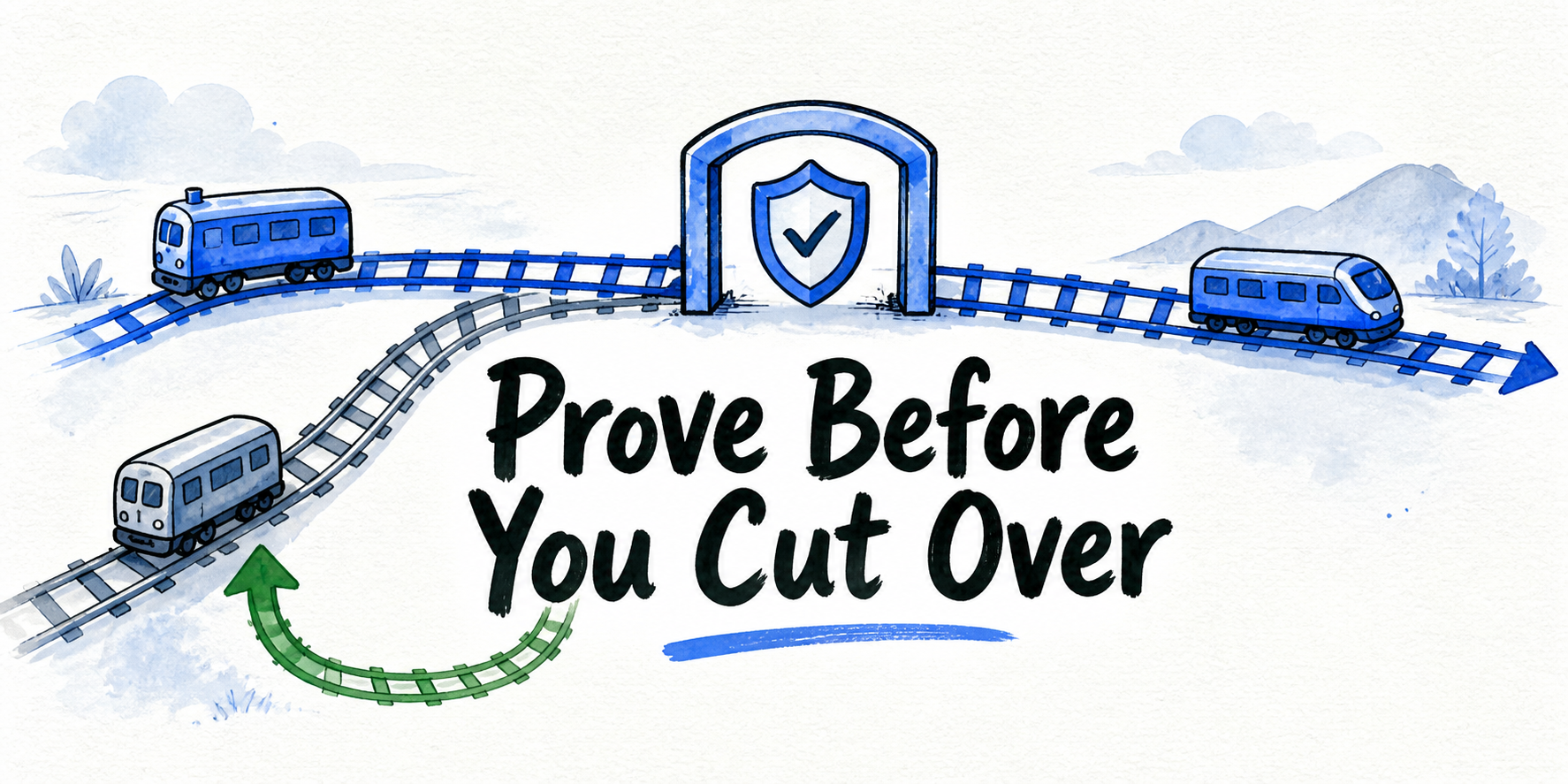
- Completed QA is necessary but insufficient for replication. Ownership, access, handoffs, reporting, exception load, and review capacity must also be stable.
- A reusable template does not prove scalability when every client creates a new permission, source, integration, or escalation problem.
- Expansion depends on observed operating capacity, not a universal staffing ratio, time threshold, or account ceiling.
- Exit readiness begins before launch so ownership and unresolved questions do not emerge during a pressured transition.
Build One Portfolio Control Board Before Adding Clients
A portfolio control board is a shared operating record with one row per client deployment. It does not replace implementation checklists. It provides enough evidence to decide whether each deployment should advance, remain in pilot, narrow, pause, or prepare for exit.
Use these terms consistently:
- A deployment is one client assistant together with its approved sources, brand surfaces, access, integrations, handoffs, and reporting responsibility.
- A gate is an evidence-based decision point rather than a calendar milestone.
- A cohort is a group of deployments expected to follow substantially the same operating pattern.
- Reusable work can be applied to another deployment with limited adjustment.
- Bounded variation is an expected client difference with a standard handling method and named owner.
- Client-specific burden is work that introduces new approvals, permissions, risks, routing, integrations, or recurring support.
- Exception load is the combined operational burden created by departures from the reusable pattern.
- A rollback returns a deployment to a narrower or earlier state without ending the client relationship.
- Exit readiness means ownership and dependencies are recorded and unresolved separation questions are visible before a transition begins.
Record the following fields:
| Control area | Fields | Decision supported |
|---|---|---|
| Fit | Client fit, package boundary, workflow scope, measurable outcome | Admit, prepare, or decline |
| Knowledge | Approved sources, source owner, known gaps | Build, hold, or narrow |
| Brand and launch | Brand assets, domain owner, approved launch channels | Approve or hold |
| Access | Agency owner, client owner, roles, permission needs, client visibility | Approve or block access |
| Operations | Integrations, enabled tools, handoff destination, receiving owner, escalation owner | Pilot or hold |
| Evidence | QA status, approval status, observed answer and handoff outcomes | Replicate or retain in pilot |
| Workload | Reusable work, bounded variation, bespoke burden, review and support capacity | Expand or pause |
| Reporting | Reporting owner, review status, unresolved guidance | Continue or correct |
| Reversibility | Owners for sources, brand assets, domain, integrations, access, and records; open transfer, retention, export, or deletion questions | Maintain exit readiness |
InsertChat’s Team Workspaces supports role assignment, access scoped to relevant assistants and conversations, and client-limited visibility. These capabilities can support access boundaries, but the control board must still document the intended visibility and ownership for each deployment. They do not, by themselves, establish a complete account-separation, permission-revocation, or transfer procedure.
The board should also record completion of the agency’s established guidance for offer validation, package boundaries, workflow selection, knowledge preparation, brand voice, launch QA, governance, reporting, optimization, implementation, and capacity planning. Those materials own the detailed methods; the board records their required outputs and approvals.
Move Through Five Portfolio States
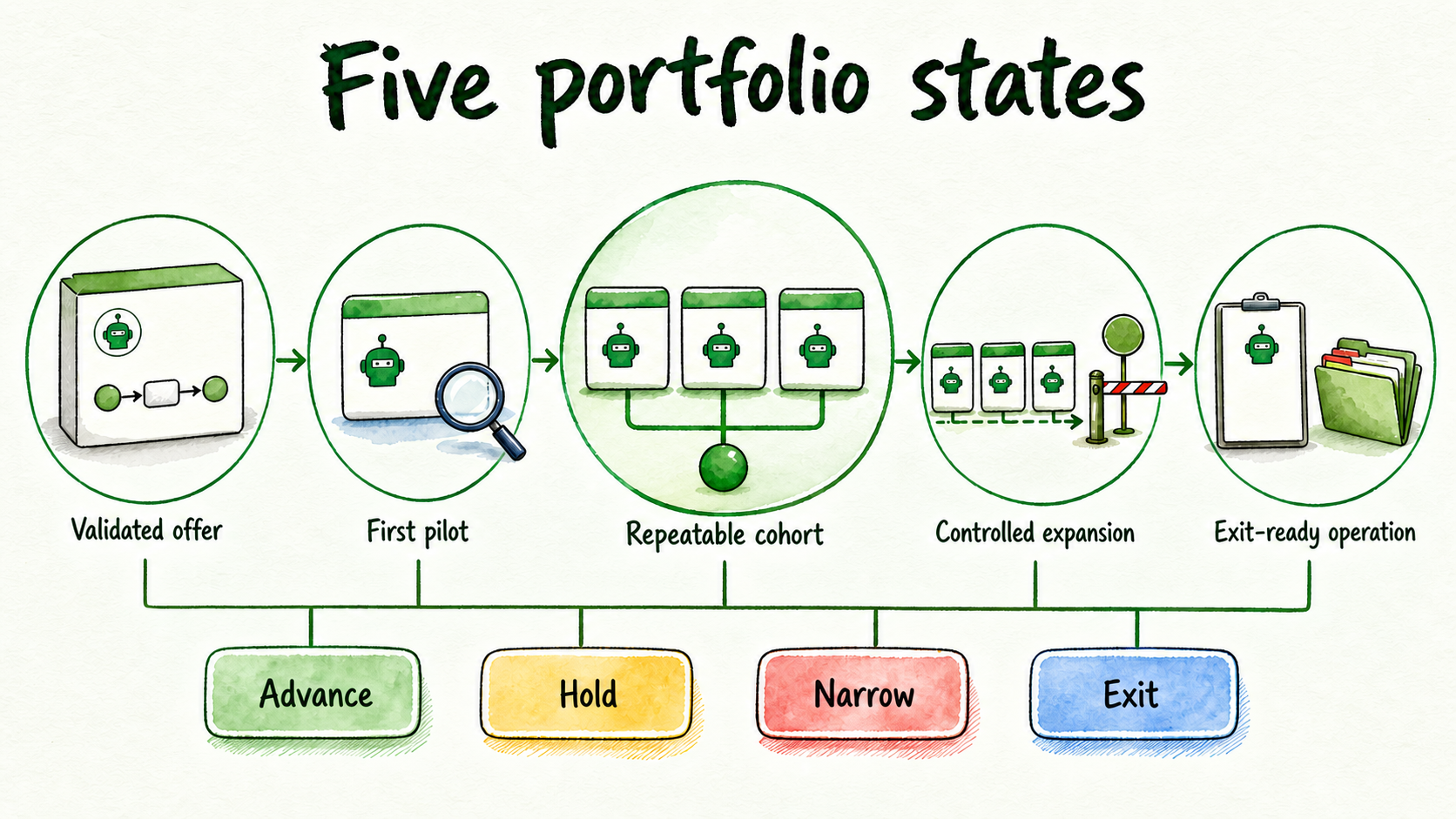
A controlled portfolio moves through five qualitative states:
- Validated offer. The agency knows the client problem it serves, the package boundary, and which requests fall outside that boundary.
- First pilot. One client runs one bounded workflow so real source, access, handoff, approval, and support requirements can be observed.
- Repeatable cohort. Several deployments use the same core workflow and operating pattern while client variations remain predictable and owned.
- Controlled expansion. Additional clients or channels are added only while evidence, ownership, handoffs, exception load, and operating capacity remain acceptable.
- Exit-ready operation. Every active deployment has sufficient ownership and dependency information to begin a controlled transition if circumstances change.
At each review, choose a clear output: advance, hold, narrow, or exit. Stability is workflow-specific. It cannot be reduced to a universal number of conversations, clients, or days.
InsertChat Visitor Analytics can capture visitor questions, answer outcomes, source usage, handoff events, and conversation context. Teams can use that evidence to inspect repeated questions, weak answers, unanswered moments, and source gaps before expanding. Analytics can identify an absent answer, but it cannot create business guidance; an accountable owner must provide and approve the source material.
Use an Admission Gate Before Build Capacity Is Reserved
Admission happens before build capacity is promised. A commercial commitment does not make a client operationally ready.
Require all of the following:
- The client fits the validated offer and accepts its boundaries.
- The pilot contains one bounded workflow with a measurable outcome.
- Current, approved sources exist for the questions within scope.
- Agency and client owners are named for sources, approval, reporting, and escalation.
- The handoff destination and receiving owner are defined.
- Required permissions and client visibility are understood.
- Security, privacy, procurement, DPA, or GDPR review needs are identified before launch.
- Brand assets, domain ownership, intended launch channels, knowledge responsibilities, and conversation-review ownership are recorded.
InsertChat Workflows can move a source-backed conversation into lead capture, booking, tickets, lookups, or human review and pass relevant conversation details to a destination system. Each enabled path still needs a receiving owner, an approval boundary, and a response when the handoff fails.
Choose one admission outcome:
- Admit: the required fields are clear enough to begin a bounded pilot.
- Require preparation: the client fits, but sources, owners, permissions, or review requirements must be resolved first.
- Decline or postpone: the request falls outside the offer, carries unresolved risk, or lacks an accountable operating model.
Before client work depends on a platform, document current answers for account control, workspace access, branding, knowledge ownership, launch surfaces, conversation review, domains, reporting, integrations, retention, exports, deletion, support, and escalation. The AI chatbot reseller program checklist treats unclear ownership, data handling, and escalation responsibility as reasons to pause.
For a prospective InsertChat deployment, use its Security and Privacy Review to scope privacy, DPA, GDPR, data-use, deletion, access, security-documentation, and contact requirements for the intended workflow. Confirm exact operational procedures directly before relying on them; the available evidence does not establish complete sequences for account separation, domain detachment, permission revocation, reporting transfer, export, archive, or offboarding.
Replicate Only When QA, Ownership, Handoffs, and Exception Load Are Stable
A deployment becomes a replication candidate only when:
- QA is complete and no launch blocker remains unresolved.
- An accountable owner maintains the approved source set.
- Brand and launch approvals are recorded.
- Handoff paths and receiving owners are defined.
- Agency and client visibility requirements remain clear.
- Reporting and conversation review have named owners.
- The team has capacity to review outcomes and handle exceptions.
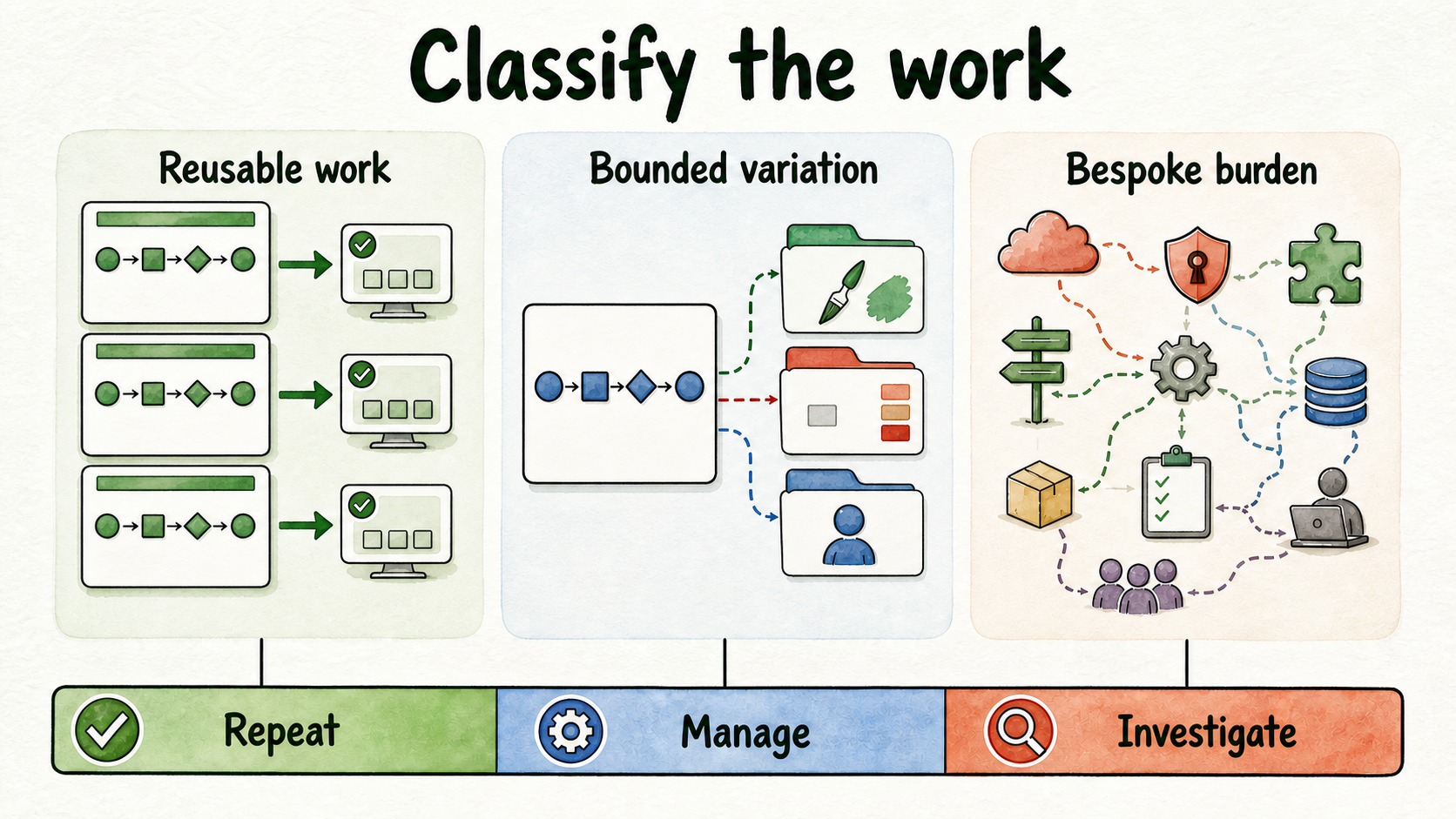
Classify observed work into three groups:
- Reusable work: the workflow contract, deployment record, review method, handoff pattern, or template applies again.
- Bounded variation: the client needs different brand assets, language, sources, domain decisions, approvers, or scoped access, but each difference follows a known method and has an owner.
- Bespoke burden: the client introduces a new high-risk workflow, uncertain permissions, unstable sources, special routing, an unfamiliar integration, or recurring manual intervention.
Do not invent a percentage for this classification. Replicate only when reusable work defines the operation, bounded variation remains predictable, and no unresolved bespoke exception presents disproportionate risk or support work.
The tradeoffs should be explicit. Faster acquisition can outrun review capacity. Shared templates can accelerate delivery without replacing client-specific approval. Central agency control can simplify administration, but client visibility must still match agreed responsibilities. Broader workflows may appear more valuable while creating more failure paths and ownership questions.
Set Pause and Rollback Rules Before the Cohort Expands
Pause intake or cohort advancement when:
- Permissions are unresolved or broader than the workflow requires.
- Approved sources are missing, conflicting, risky, stale, or ownerless.
- QA fails or a launch blocker remains open.
- Approval, escalation, reporting, or a connected system lacks an owner.
- Support exceptions repeatedly demand bespoke investigation.
- Review or support capacity is already committed.
Security and privacy suitability depends on the connected sources, enabled tools, model-provider path, access, and intended deployment. InsertChat documents role-based access, private assistants, per-assistant tool controls, deletion capabilities, DPA support, and scoped security-review routes on its Security and Privacy Review. Each deployment still requires a decision about which controls and reviews apply.
A rollback reduces active scope: narrow the workflow, disable an unnecessary tool or route, return the deployment to pilot, delay another launch channel, or restrict access while ownership is clarified. Rollback is not offboarding. The deployment and client relationship remain active within a safer boundary.
Worked Example: Approve Two, Hold One, and Pause the Fourth
This scenario is illustrative, not customer proof.
Clients A and B request the same bounded website-answer workflow. Both have approved sources, source owners, client approvers, defined visibility requirements, completed QA, human handoffs, reporting owners, and manageable review needs. Their brand assets and content differ, but those differences follow the agency’s standard record.
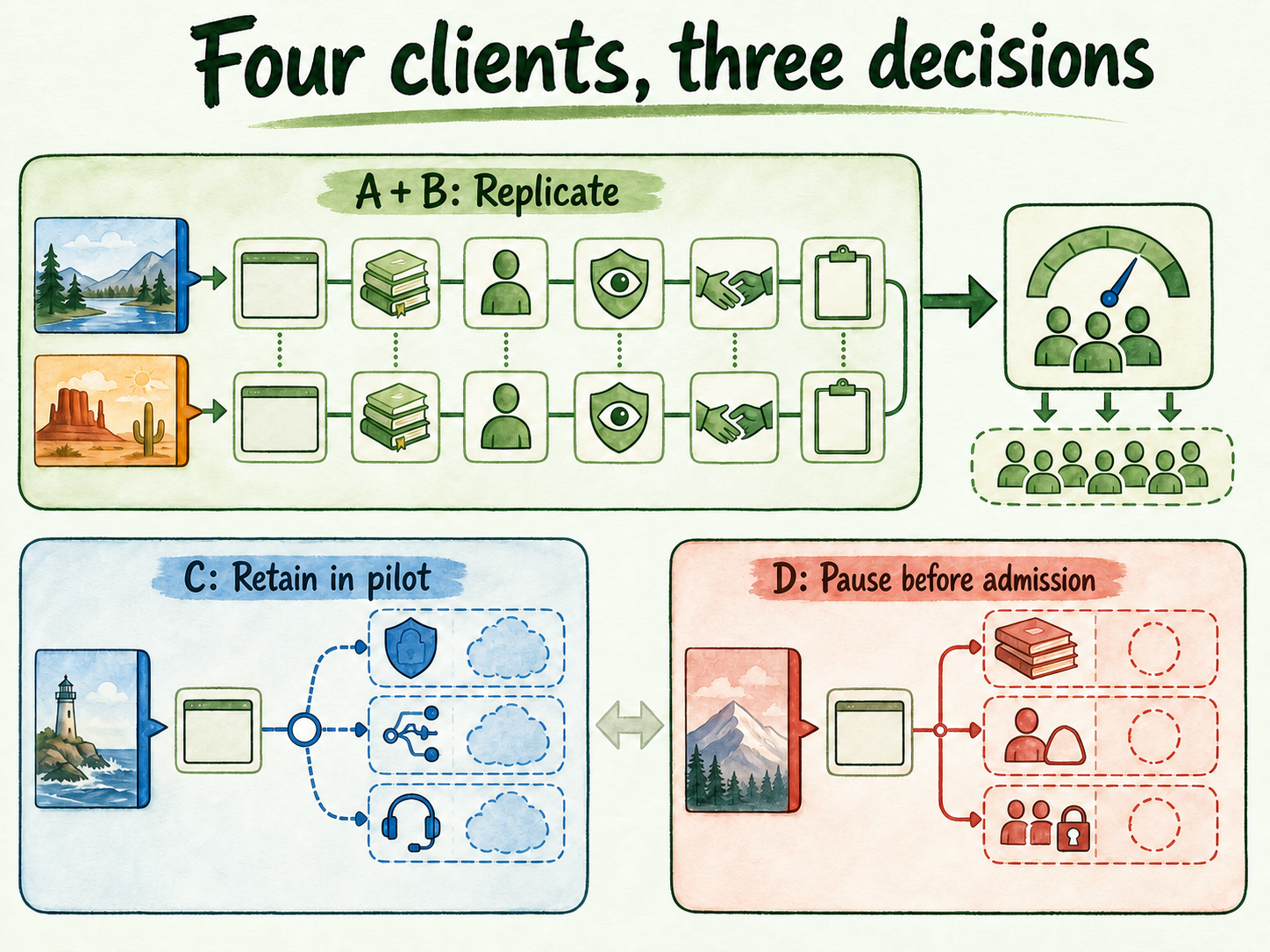
Client C requests a custom workflow that reads additional operational data and routes sensitive exceptions through a new path. Its sources and primary owners are known, but its security review, routing behavior, and support burden are not yet stable.
Client D wants an immediate launch but has no settled source owner. The agency and client have not agreed who receives escalations, and the requested permissions appear broader than the proposed workflow requires.
The decisions are:
- Clients A and B enter the repeatable cohort. Their core work is reusable; brand, source, and visibility differences are bounded variations with named owners.
- Client C remains in pilot. Its new routing, review, and support requirements remain bespoke burden.
- Client D is paused before admission. Source ownership, permission scope, and escalation responsibility are blocking gaps.
The agency expands A and B only if it can review both alongside the existing portfolio. Shared templates improve acquisition speed, but they do not remove client-specific controls. Client C’s broader workflow receives more scrutiny, while Client D does not consume build capacity until its responsibilities are clear.
Make Every Deployment Exit-Ready Before It Scales
Before a deployment leaves pilot, record known ownership for its sources, brand assets, domain, integrations, access, conversation records, and reporting. Flag unresolved contractual or platform questions and identify the person authorized to begin a transition review.
Exit readiness does not establish that a particular transfer, export, archive, deletion, domain cleanup, or access-revocation procedure exists. It ensures that unanswered questions are visible before time pressure makes them harder to resolve.
When a transition becomes necessary, use the dedicated white-label chatbot client offboarding runbook for the asset, access, records, cleanup, and signoff decisions.
Review the next proposed cohort and assign each client one decision: admit, require preparation, retain in pilot, replicate, pause, narrow, or prepare for exit. If evaluating InsertChat, begin with one bounded, non-sensitive workflow and confirm current commercial, security, privacy, and operational requirements before expanding.
FAQ
When is a chatbot ready to replicate?
It is ready when QA is complete, approved sources have a stable owner, handoffs and receiving owners are defined, access expectations are clear, exceptions are manageable, and the team has capacity to review another deployment. Passing launch QA alone is insufficient.
What should every client workspace separate?
The operating record should distinguish each client’s approved sources, brand assets, access requirements, conversations, integrations, handoffs, reporting responsibility, and approvals. Platform capabilities and exact separation procedures must be confirmed for the intended deployment; scoped visibility does not prove that every form of operational separation is automatic.
When should an agency pause new launches?
Pause when unresolved permissions, risky or missing sources, failed QA, missing owners, unclear escalation, recurring bespoke support work, or insufficient operating capacity prevents a responsible admission or replication decision.
How does exit readiness reduce portfolio risk?
It makes ownership, dependencies, decision authority, and unresolved procedural questions visible before a client or platform change creates urgency. It does not replace the offboarding procedure.
Is there a universal maximum number of clients?
No. A defensible limit depends on observed exception load, review work, source stability, handoff burden, access requirements, and available operating capacity. Client count alone ignores the difference between repeatable deployments and bespoke workflows.
Can analytics repair missing business guidance?
No. Analytics can expose repeated questions, weak answers, and source gaps. If the business has not approved an answer or policy, an accountable owner must provide the appropriate source material.