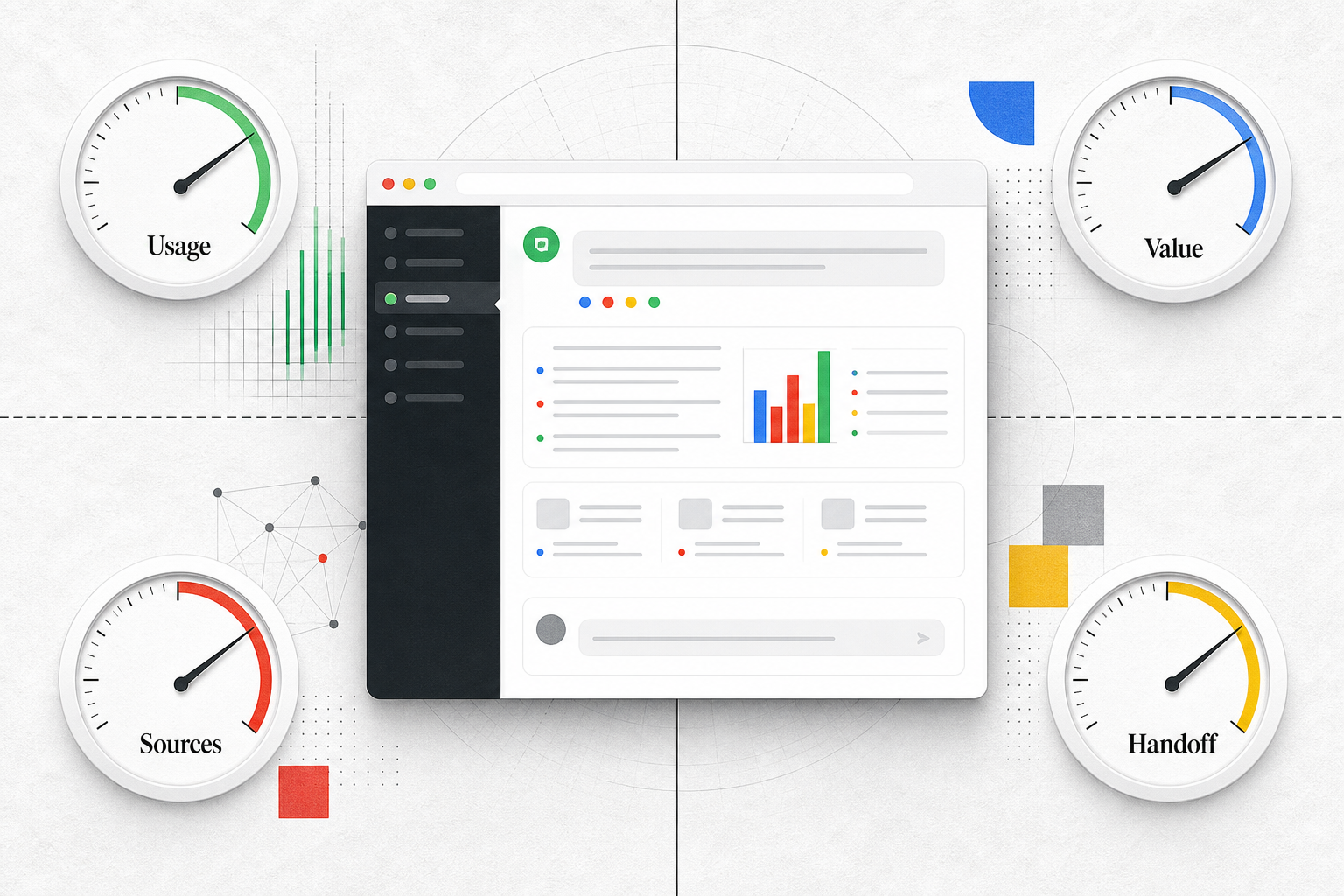
TL;DR
- Define the offer before comparing platforms: buyer, workflow, owner, and success signal come first.
- Use a short definition of a white-label AI chatbot, then send deeper ownership questions to the support page.
- Pick one first use case with visible demand and manageable setup effort.
- Choose chatbot, assistant, agent, or conversational AI language based on what the product is allowed to do.
- Write a compact requirements checklist before build or vendor review.
- Validate one buyer segment and one workflow before packaging the offer broadly.
You already know enough to be interested in a white label ai chatbot. The harder decision is what to sell first, how narrow the offer should be, what to call it, what requirements matter, and how to avoid packaging a service that sounds useful but is too broad to sell or support.
Key Takeaways
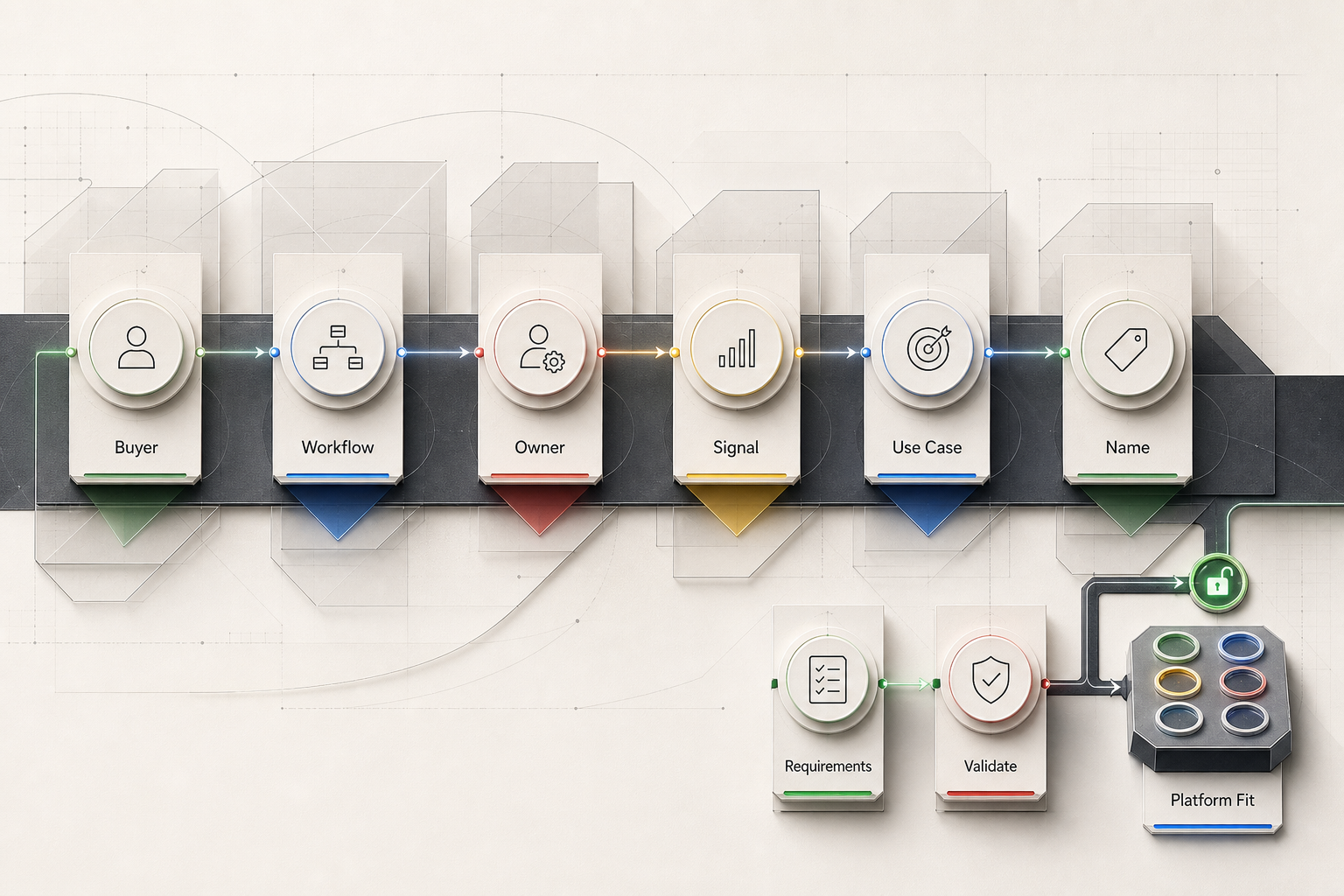
- A first white-label AI chatbot offer should be planned in order: offer fit, use case, naming, requirements, validation, then platform fit.
- The first version should solve one recognizable client problem. A vague all-purpose chatbot offer is harder to position, demo, scope, and improve.
- A white-label offer needs more than surface branding if the client-facing experience, sources, handoff, and support process matter to the buyer.
- Chatbot, assistant, agent, and conversational AI are not interchangeable labels. The right name depends on what the product can do without human approval.
- Requirements should start as categories, not a large specification.
- Validation should reduce demand and delivery risk before broad packaging, training material, or client operations.
Start With the Offer Decision, Not the Tool
The first decision is not which white label ai chatbot platform has the longest feature list. The first decision is whether you have a clear offer that a buyer can understand.
Before platform evaluation, define four items:
- The buyer: the team or role that feels the problem.
- The workflow: the repeated visitor, lead, support, product, or content question the assistant will handle.
- The delivery owner: the person or team responsible for setup, source quality, launch, and improvement.
- The success signal: the observable change that tells you the offer is worth continuing.
A tool-led offer often turns into a bundle of loose capabilities. A buyer may hear “AI chatbot” and ask for sales, support, onboarding, lead capture, analytics, and workflow automation at once. That creates scope risk.
A better first offer has a narrower promise. An agency might start with a branded assistant that answers common questions from approved content and routes qualified leads. A SaaS team might start with a product education assistant that answers setup questions and routes complex issues to support.
The caveat is that narrow does not mean small forever. It means the first version has a controlled operating model. Once the team understands demand, source quality, client expectations, and handoff volume, the offer can expand with less guesswork.
Use a Short Definition to Set the Planning Boundary
A white-label AI chatbot is a branded chatbot or assistant that a company offers under its own brand for a client-facing use case. In practice, the buyer sees your brand, your offer language, and your configured client experience rather than a vendor’s generic product presentation.
That working definition is enough for this planning step. The deeper question is whether the offer only changes colors and logos, or whether it gives you enough control over the client-facing experience, sources, deployment, handoff, and operations to sell it responsibly.
The risk of skipping this boundary is practical: you may sell a “white-label” offer that cannot support the client experience you promised. That can show up as vendor branding in the wrong place, weak source control, limited deployment options, poor handoff handling, or unclear client support ownership.
For a deeper ownership test, use what makes an AI chatbot truly white label. For this pillar, keep the definition short and use it to decide what your first offer must own before you move on.
A useful planning boundary might read: “We will sell a branded assistant trained on approved client content, with a defined handoff path and a clear owner for updates.” That sentence is not a full requirements brief, but it prevents vague AI resale language.
Choose One First Use Case Before You Package the Offer
The first use case should be recognizable, repeatable, and practical to operate. Start with a client problem that already creates questions, delays, missed leads, or support load. Then ask whether an assistant can answer, qualify, route, or guide without heavy custom work for every client.
Good first-use-case areas often sit around marketing, support, ecommerce, content, lead capture, handoff, and website visitor experience. The point is not to cover every category. The point is to choose the one category where your current audience already has pain and where your team can provide setup and maintenance.
Use a light prioritization lens:
- Demand: buyers already ask for help with this workflow.
- Repeatability: the setup can be reused across similar clients.
- Source readiness: the client has pages, docs, FAQs, policies, videos, or other approved material.
- Handoff clarity: the assistant knows when to collect details, qualify intent, or route to a person or system.
- Delivery scope: your team can explain what is included and what is outside the first version.
A common mistake is to package the offer as “an AI chatbot for your business.” That pushes the buyer to imagine every possible use, then judge the offer against all of them. A narrower offer, such as “a branded assistant for product questions and lead qualification,” gives the buyer a clearer reason to care.
For detailed use-case selection by buyer segment and service scope, use white-label AI chatbot use cases for client-facing teams. Keep this page focused on the sequence: choose one first use case before naming, requirements, validation, or platform fit.
Name the Offer by What It Is Allowed to Do
The offer name should match the assistant’s authority. If it answers questions from approved content and routes people to the right next step, “chatbot” or “AI assistant” may be accurate. If it takes actions, applies rules, checks identity, triggers workflows, or operates with approval boundaries, “AI agent” may fit only when the delivery model supports that expectation.
This is a positioning decision, not a vocabulary preference. Offer language changes what buyers expect in sales calls, what implementation teams must configure, and what support teams must handle after launch.
Use the narrowest accurate label first. If the product mainly answers and guides, call it a chatbot or branded AI assistant. If the product includes broader conversational workflows across sources and handoffs, “white-label conversational AI” may fit. If you use “agent,” be ready to explain what actions it can take, what it cannot do, and where approval is required.
The risk of overnaming is delivery debt. A buyer who hears “AI agent” may expect independent action, workflow execution, and decision logic. If the actual offer is a branded Q&A assistant with handoff, the mismatch can create sales confusion and support pressure.
For deeper naming guidance, use white-label AI agent vs white-label AI chatbot. In this planning path, your immediate job is to choose language that protects trust and keeps scope clear.
Turn the Offer Into a Compact Requirements Checklist
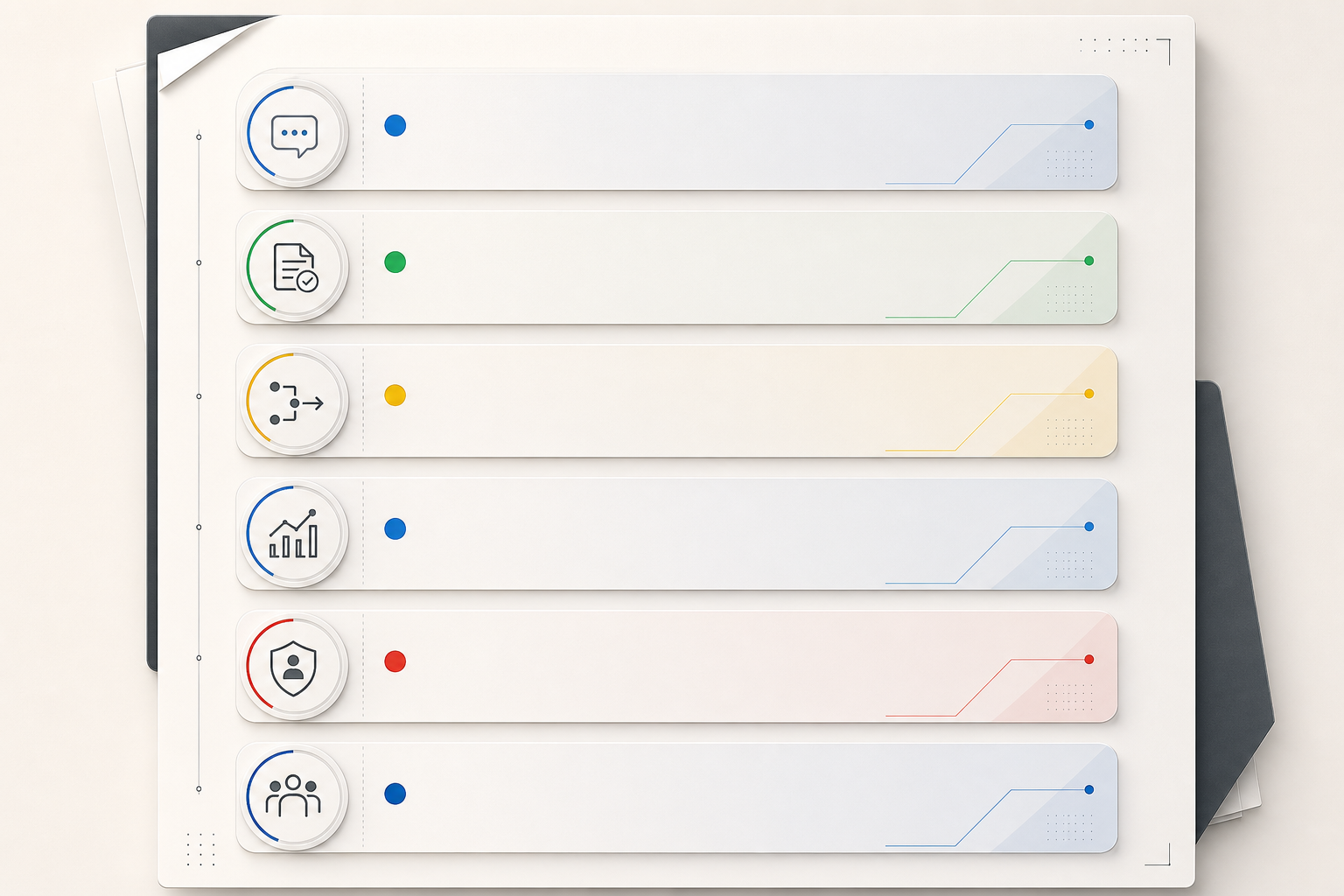
Once the use case and name are clear, write a compact requirements checklist. At this stage, you do not need a full build specification. You need enough structure to compare platform fit, estimate delivery work, and spot gaps before selling the offer broadly.
| Requirement area | Planning question |
|---|---|
| Branding and client experience | What must the client and end user see? |
| Approved sources | Which pages, docs, FAQs, policies, videos, or other materials should the assistant use? |
| Workflow and handoff | When should the assistant answer, collect details, qualify intent, route, or stop? |
| Analytics and improvement | How will the team find unclear answers, missing content, and repeated questions? |
| Data handling | What client data may be collected, where does it go, and who reviews it? |
| Client operations | Who launches, updates, supports, and reports on each assistant? |
The tradeoff is depth. A compact checklist keeps planning moving, but it will not replace a full requirements brief for a regulated buyer, a complex internal rollout, or a multi-client reseller model with strict support obligations.
For the fuller requirements process, use white-label conversational AI requirements. For now, the checklist should help you decide whether the offer is defined enough to validate and evaluate.
Validate the Offer Before a Full Rollout
Validation is the gate between a promising idea and a packaged offer. Test one buyer segment and one workflow before creating broad sales material, onboarding flows, or client delivery processes.

At a high level, validation should answer five questions:
- Does the buyer recognize the workflow as painful or costly?
- Does the assistant demo make the value easy to understand?
- Are the required sources available and clean enough for a credible first version?
- Is the handoff path acceptable to the buyer and manageable for your team?
- Does the expected delivery work fit the service scope you want to sell?
The risk of skipping validation is that the offer may be appealing in theory but difficult to sell or operate. Some buyers may like the idea but lack usable content. Others may want a custom workflow for every client. Some may expect a chatbot to solve support problems that are really policy, product, or staffing issues.
Validation does not need to answer every future question. It needs to expose whether the first offer is too broad, too custom, or too dependent on missing client inputs.
For a deeper validation sequence, use validate a white-label AI chatbot offer. This pillar keeps validation at the journey level so you can decide when to move from planning to proof.
Scenario: Plan a SaaS Product Education Offer
Consider a SaaS team that sells through implementation partners and wants to give each partner a branded product education assistant. The team does not want every partner to request a custom support build.
The buyer is a partner success lead. The workflow is product setup and account questions that repeat across partner customers. The delivery owner is the SaaS team, with partner input on approved docs, FAQs, and escalation rules. The success signal is whether the assistant surfaces useful questions, routes complex issues correctly, and reveals content gaps.
The team sets the boundary as a branded AI assistant, not an autonomous agent. It answers from approved product content, collects context when needed, and routes conversations for follow-up. That scope supports the name: branded AI assistant or white-label AI chatbot. The team avoids “AI agent” until action-taking workflows and approvals are defined.
The compact requirements list covers partner branding, approved product sources, in-app or full-page deployment, handoff rules, analytics for missing answers, and an owner for updates. Before broad rollout, the team tests one partner segment and one setup workflow. If the workflow needs too much custom content per partner, the team narrows the offer before platform evaluation.
Evaluate Platform Fit After the Offer Shape Is Clear
Platform fit should come after the offer shape is defined. Otherwise, feature comparisons can distract from the buyer problem you are trying to solve.
Once the offer is clear, evaluate fit with questions like these:
- Can the assistant be presented under your brand or the client-facing brand you are selling?
- Can it use approved website pages, docs, videos, FAQs, policies, and other sources for source-backed answers and next steps?
- Can you control tone, sources, prompts, model choice, and tool access per assistant?
- Can the assistant collect details, qualify intent, and route chats to the right inbox, CRM, workflow, or person?
- Can it deploy where the offer needs to live, such as a widget, embed, full-page assistant, custom domain, in-app embed, or API?
- Can analytics show unclear or missing answers so the team can improve coverage after launch?
- Can your team operate multiple client assistants without losing track of ownership, updates, and support responsibilities?
InsertChat positions itself as a white-label AI assistant for websites that teams can train, brand, publish, and use to learn from visitor questions. Its website also describes assistant workflows across marketing, support, ecommerce, content, lead capture, handoff, and website visitor experience, with 600,000 assistant workflow pages available to browse. For platform evaluation, review InsertChat features against the offer requirements you already defined.
Do not turn this step into price shopping too early. Pricing matters, but the contract for your first offer should be based on buyer fit, delivery effort, support expectations, and operating control. A cheaper tool that cannot support the branded experience, source controls, deployment surface, or handoff model you need may cost more in delivery time later.
The next decision is simple: if the offer, use case, name, checklist, and validation signal are clear, evaluate platforms against those requirements. If any of those pieces are still vague, go back one step before comparing vendors.
FAQ
What is a white-label AI chatbot?
A white-label AI chatbot is a branded chatbot or assistant that you offer under your own brand or client-facing presentation. For planning, treat it as a client-facing experience that needs clear ownership over branding, sources, deployment, handoff, and support.
What is the best first white-label AI chatbot use case?
The best first use case is usually narrow, repeatable, and tied to a visible client problem. Good candidates often involve visitor questions, lead capture, support routing, product education, ecommerce guidance, or content discovery.
Should I sell a chatbot, AI assistant, or AI agent?
Use the label that matches what the product is allowed to do. If it mainly answers, guides, and routes, chatbot or AI assistant is usually safer. If it takes actions with defined rules and approval boundaries, agent language may fit. Overstating autonomy can create sales and support problems.
What requirements should I check before choosing a platform?
Start with branding, approved sources, workflow and handoff, analytics, data handling, and client operations. Keep the first checklist compact, then expand it before serious build or vendor evaluation if the client has complex security, compliance, or operational needs.
How should I validate demand?
Validate one buyer segment and one workflow before broad rollout. Check whether buyers recognize the pain, understand the demo, have usable source content, accept the handoff model, and fit the delivery scope you want to sell.
Where should I evaluate platform fit next?
Evaluate platform fit after the offer is defined. Compare the platform against your required branding, source controls, deployment surfaces, handoff paths, analytics, and client operations. If the offer is still vague, refine the planning decisions first so the platform review has a clear target.