TL;DR
- Pitch one known client pain, not a general AI capability.
- Use the client’s current website, support content, lead forms, FAQs, or service pages as evidence before you mention a chatbot.
- Ask for one bounded pilot: one workflow, one approved source set, one handoff path, and one learning goal.
- Define success in terms the client can judge, such as clearer handoffs, fewer repeated questions, better lead details, or visible content gaps.
- Avoid guarantees. Use limitation language that points back to approved sources, review, and pilot boundaries.
An existing client already trusts your agency with some part of their business, which makes the chatbot pitch easier and riskier at the same time. You have real context: website gaps, repeated goals, content approvals, support friction, lead quality complaints, or post-launch questions. If you pitch the chatbot as an AI add-on, the client hears novelty. If you pitch it as a controlled way to address a pain they already named, the conversation becomes easier to judge.
Key Takeaways
Choose one existing client before you write the pitch. The best first account is usually not the largest account. It is the one where you can point to a known pain, approved content, and a simple visitor or staff workflow.
Choose one pain before you choose the chatbot shape. A pitch built around “AI support” or “AI lead capture” is too broad. A pitch built around “visitors ask service-fit questions before booking, and the current page makes them hunt for answers” is easier for the client to evaluate.
Choose one approved source set. Use website pages, FAQs, help content, service descriptions, policy pages, or product content the client already accepts as accurate. If those sources are weak, pitch a narrower pilot or pause until the content is ready.
Choose one pilot workflow. The pitch should not imply a full replacement for support, sales, account management, or the website. It should ask to test one bounded workflow with a clear handoff.
Choose one follow-up action. After the client accepts the idea, the next step may be a short pilot planning call, a limited demo using approved source content, or permission to prepare a pilot outline. Do not turn the first pitch into a full proposal conversation.
Start With What You Already Know About The Client
When you pitch AI chatbot to clients you already serve, your advantage is context. You know what the client keeps asking you to improve, what the website does not explain well, where visitors abandon the next step, and which answers the client has already approved.
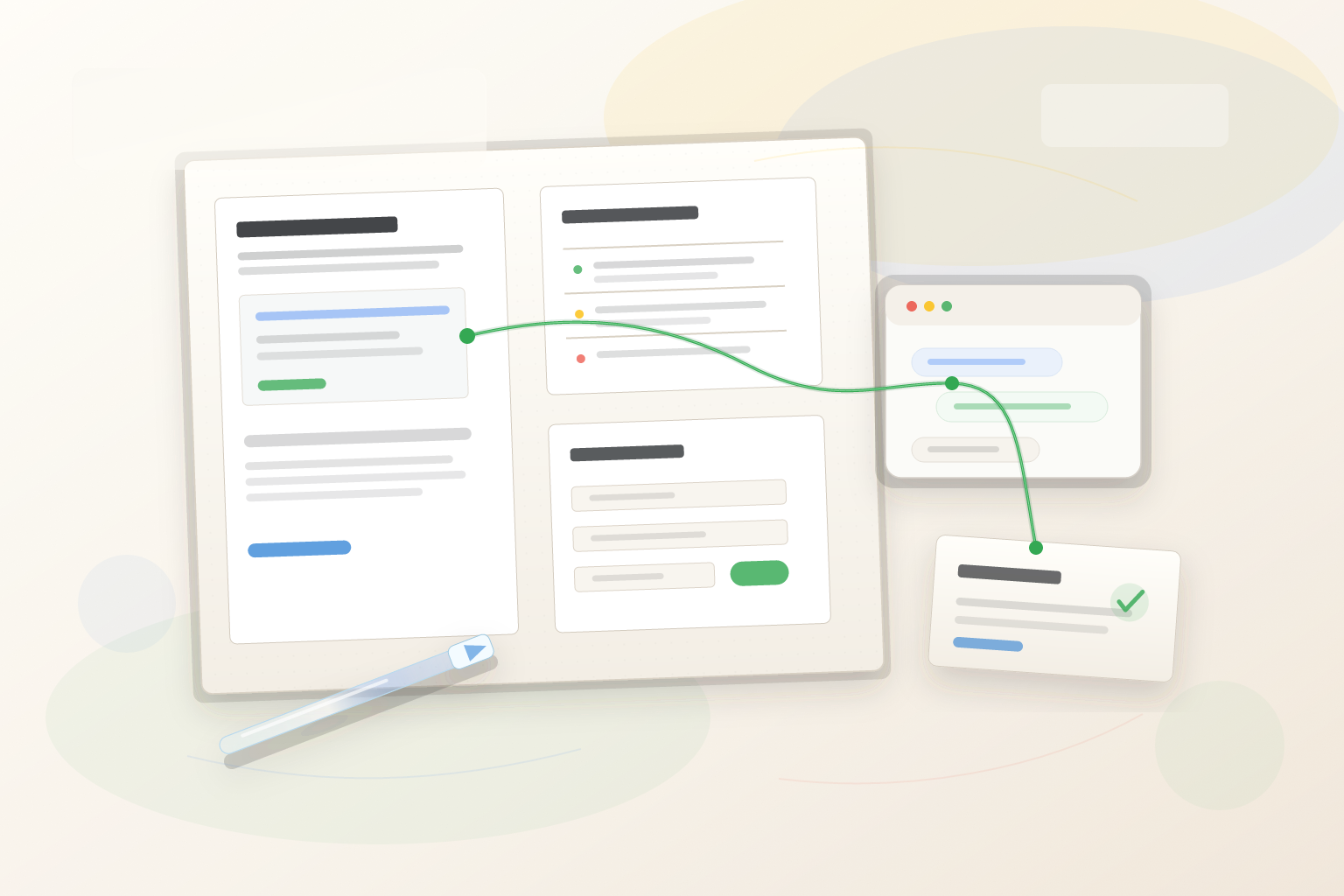
From Context To Pilot Ask
- Known Context
Start with goals, website gaps, support friction, approved content, and relationship language.
- Client Pain
Name one specific visitor or staff problem the client already recognizes.
- Website Evidence
Point to service pages, FAQs, forms, support content, or policy pages before proposing a bot.
- Bounded Pilot
Limit the ask to one workflow, one source set, one handoff path, and one learning goal.
- Specific Next Step
Ask for a pilot outline, source confirmation, follow-up review, or limited demo.
Use that context as pre-pitch evidence. Look for five inputs:
| Existing client context | How it helps the pitch |
|---|---|
| Repeated client goals | Connect the pitch to a goal already in the relationship, such as more qualified inquiries or less manual follow-up. |
| Website gaps | Show where visitors must search across pages, forms, PDFs, or policy content to answer one practical question. |
| Support or sales friction | Point to repeated questions, incomplete lead details, or avoidable handoffs without claiming a number you cannot prove. |
| Approved content | Limit the pilot to pages and documents the client already trusts. |
| Relationship context | Use the client’s language for the problem, not generic chatbot terms. |
This is not a replacement for discovery. If the client has not confirmed audience fit, source readiness, handoff rules, or risk boundaries, use AI chatbot discovery questions before you promise scope. For the pitch itself, keep the context tight: one account, one pain, one source set, one workflow.
Turn The Client Pain Into A Pitch Sentence
The pitch sentence should make the chatbot feel like a practical response to a client problem, not a new service you are trying to sell into the account.
Use this structure:
“Visitors are trying to do [specific task], but the current site makes them [specific friction]. We can test a small chatbot pilot that answers from [approved sources], helps them [next step], and hands off to [person or channel] when the answer needs review.”
Examples:
“Visitors are trying to understand which service package fits them, but the current service pages split the answer across several pages. We can test a small chatbot pilot that answers from the approved service pages, helps visitors choose the right inquiry path, and hands off to the sales inbox when the question needs a quote.”
“Customers are asking the same delivery and return questions before buying, but the policy content is buried. We can test a chatbot on the product and policy pages that answers from the approved policy copy and routes unclear cases to support.”
This structure keeps the sales pressure down because the client can judge the problem before they judge the tool. If you still need to choose the pain, use a separate use-case process first, such as narrowing credible first AI chatbot use cases. Do not bring a menu of ideas into the pitch. Bring one recommendation.
Use Website And Content Evidence Before You Mention A Bot
The client should hear evidence before they hear the chatbot ask. Evidence does not need to be dramatic. It needs to be recognizable.
Useful evidence includes service pages that answer only part of a visitor question, FAQ pages that do not connect to the next step, help articles that are accurate but hard to browse, booking pages where visitors need qualification before choosing a time, product pages with policy questions nearby, or forms that collect too little context for useful follow-up.
Phrase the evidence as an observation, not a criticism:
“Your service pages already answer most of the fit questions, but the answers are spread across three pages.”
“The booking page is doing the conversion work, but visitors may still need service-area and timing answers before they choose a slot.”
“The FAQ content is strong, but it does not currently guide the visitor to the right handoff when the answer depends on their situation.”
This protects the relationship. The client does not need to agree that the site is broken. They only need to agree that a small assistant could make existing content easier to use.
If you use InsertChat in the conversation, keep the claim tied to supplied context: InsertChat lets teams browse assistant workflow pages across marketing, support, ecommerce, content, lead capture, handoff, and website visitor experience. Do not add proof, pricing, conversion claims, or customer outcomes unless the client has verified those facts separately.
Propose One Bounded Pilot Instead Of A Broad Chatbot Rollout
A broad chatbot rollout creates too many questions for a first pitch: what it answers, where it appears, who maintains it, what happens when it is wrong, how it affects support, and whether it touches sensitive data. A bounded pilot reduces the client’s decision to a smaller test.
The Five Pilot Boundaries
| Pilot Limit | Client-Safe Decision | |
|---|---|---|
| Workflow | One job, such as service-fit answers, lead qualification, booking-page questions, product policy help, or content navigation. | Keeps the pitch away from broad automation claims. |
| Source Set | One approved group of pages, FAQs, documents, or policies. | Ties answers to content the client already trusts. |
| Handoff Path | One route such as a sales inbox, support form, booking link, or account contact. | Makes uncertainty visible instead of pretending the bot handles everything. |
| Placement | One page group or entry point, if known. | Limits rollout risk during the first test. |
| Learning Goal | One question, such as whether visitors ask enough repeatable questions to justify expansion. | Gives the client a clear decision rule after the pilot. |
The pitch-level pilot should include five limits:
| Pilot element | Pitch-level decision |
|---|---|
| Workflow | One job, such as service-fit answers, lead qualification, booking-page questions, product policy help, or content navigation. |
| Source set | One approved group of pages, FAQs, documents, or policies. |
| Handoff path | One route when the answer needs a person, such as a sales inbox, support form, booking link, or account contact. |
| Placement | One page group or entry point, if known. |
| Learning goal | One question the pilot should answer, such as whether visitors ask enough repeatable questions to justify expansion. |
A strong pilot pitch sounds like this:
“I would not suggest launching a broad assistant across the whole site first. I would suggest testing one workflow on the service pages, using the approved service copy and FAQ content, with handoff to your sales inbox when a visitor asks for pricing or a custom recommendation.”
That language is intentionally limited. It does not define implementation scope, QA rules, maintenance terms, pricing, or reporting detail. Those belong after the client agrees the pilot is worth shaping. If the client pushes for a wider rollout, point back to risk: the first pilot should prove the source content, workflow, and handoff before the assistant expands. For deeper implementation boundaries, use a separate process to scope an AI chatbot project without overpromising.
Name Success Criteria The Client Can Judge
Success criteria make the pitch feel concrete without turning it into an ROI promise. The safest criteria are tied to observable workflow improvement, not unsupported revenue claims.
Use criteria such as:
- Visitors get answers from approved content instead of searching across several pages.
- The client receives more complete inquiry details before follow-up.
- Repeated questions become visible enough to improve website content.
- Handoffs are clearer because the assistant routes uncertain or account-specific questions to a person.
- The client can decide whether the pilot should expand, narrow, or stop.
Avoid claims such as “this will reduce support tickets by a fixed percentage” or “this will increase conversion.” Those may be possible outcomes in some accounts, but the pitch context provided here does not include evidence to support them.
A client-safe success statement might be:
“For this pilot, I would judge success by whether visitors ask repeatable questions the assistant can answer from approved content, whether the handoff gives your team enough context, and whether the conversation logs reveal content gaps worth fixing.”
That gives the client a decision rule. It also protects the agency from promising performance before the pilot has produced real account data.
Use Objection-Safe Language During The Pitch
Objections during the pitch should not turn into a full rebuttal session. Your job is to keep the conversation honest enough that the client still trusts the recommendation.
For accuracy concerns, say: “We should not ask it to answer from general knowledge. The pilot should use approved source content, and uncertain answers should route to a person.”
For workload concerns, say: “The first pilot should be narrow enough that review is manageable. If the source content is not ready, we should fix that before expanding.”
For usefulness concerns, say: “That is what the pilot is meant to test. If visitors do not ask repeatable questions in this workflow, we should not force a larger rollout.”
For security or sensitive data concerns, say: “We should verify the data and vendor details before promising controls. For this first pitch, I would keep the workflow away from sensitive account data unless your team approves the review path.”
For cost concerns, say: “The first decision is whether there is a focused workflow worth testing. Pricing and ongoing support should come after we agree on the pilot boundary.”
The common thread is restraint. Do not promise perfect answers, full automation, reduced headcount, automatic revenue lift, or full support replacement. If a fact is unknown, say it needs verification. If a workflow is risky, narrow it. If the client wants guarantees, the pitch should pause.
Scenario: Turning One Existing Client Account Into A Pilot Ask
A web design agency manages a care plan for a home services client. The website is live, the service pages are approved, and the client has mentioned that inquiries often arrive with missing details: service area, property type, urgency, and which service the customer needs.
The agency reviews the site before the account call. The service pages explain the work, but visitors need to move between several pages to understand fit. The contact form asks for name, email, phone, and message, but it does not guide visitors through the basic details the office needs for follow-up. The FAQ answers common questions, but it is separate from the inquiry path.
A weak pitch would be:
“We can add an AI chatbot to your site to answer visitor questions and improve conversions.”
That sounds generic and creates a performance promise.
A stronger pitch would be:
“We have noticed that the site has the answers visitors need, but the service-fit information is spread across the service pages, FAQ, and contact flow. I would suggest a small pilot on the main service pages. The assistant would answer from the approved service and FAQ content, ask a few basic fit questions before handoff, and send uncertain or quote-specific questions to your office.”
The pilot ask is narrow: one workflow, service-fit and inquiry preparation. The source set is narrow: approved service pages and FAQ content. The handoff is clear: the office receives the inquiry when the question needs a person. The success criteria are practical: whether visitors ask repeatable questions, whether inquiries include better details, and whether the team sees content gaps worth fixing.
The next step is not a full proposal. The agency can ask: “If that sounds useful, I can prepare a limited pilot outline using only the approved service and FAQ pages, then we can decide whether a short demo is worth scheduling.”
That keeps the pitch inside the existing relationship. It shows the agency understands the site, respects the client’s content, and is not asking the client to approve a broad AI project on the first call.
Make The Next Step Specific
End the pitch with a small decision. The client should not have to choose between ignoring the idea and approving a full chatbot service.
Use one of these next-step asks:
- “Can I prepare a limited pilot outline for this one workflow?”
- “Can we confirm which pages are approved sources for a small test?”
- “Can we schedule a short follow-up to review whether this workflow is safe to pilot?”
- “Can I prepare a limited demo after we agree on the source content and handoff?”
The final action for the agency is simple: choose one existing client, one pain, one approved source set, one pilot workflow, and one follow-up action. If you cannot choose those five things, the pitch is not ready. Narrow the use case, verify the content, or wait until the client has a clearer problem.
FAQ
How do I pitch an AI chatbot to clients without sounding hype-driven?
Start with a pain the client already recognizes, then show evidence from their current website, content, or workflow. Mention the chatbot only after you have named the problem, the source content, the pilot boundary, and the handoff path. Avoid broad claims about AI replacing support or improving revenue unless you have client-specific evidence.
Should I pitch a demo or a pilot first?
Pitch the pilot boundary first. A demo can be a useful next step after the client agrees the workflow is worth testing, but the first conversation should define the problem, source content, handoff, and success criteria. A demo without that context can make the project feel like a tool showcase.
What should I avoid promising in the pitch?
Avoid promising perfect accuracy, full automation, fixed support reductions, guaranteed conversion lift, sensitive-data handling, or ongoing maintenance terms before they are verified. Promise only the bounded test: one workflow, approved sources, a human handoff for uncertain cases, and a clear decision after the pilot evidence is reviewed.
What if the client asks about security or accuracy?
Answer only what you can verify. For accuracy, bring the conversation back to approved sources, review, and human handoff. For security, avoid giving legal or vendor-control answers from memory. If the workflow may touch sensitive data, narrow the pilot or pause until the client has the right documentation and review path.
Which existing clients are best for the first pitch?
Start with clients that already have approved website content, repeated visitor questions, a clear support or lead-capture pain, and a relationship where a small pilot will not feel like a surprise. Avoid clients that expect a broad automation promise, lack usable source content, or need sensitive-data handling before basic workflow fit is proven.