TL;DR
- An ai chatbot for content agencies is safest when it answers from approved content, helps readers navigate a deep archive, and hands off unsupported questions.
- The strongest first workflows are content navigation, newsletter archive help, audience Q&A, feedback capture, and editor-reviewed planning input.
- Newsletter support should not become unsupervised newsletter writing. Use reader questions and preferences to inform a human-reviewed brief.
- Topic discovery should mean audience question intelligence from owned conversations, not keyword demand, ranking opportunity, or SEO retainer proof.
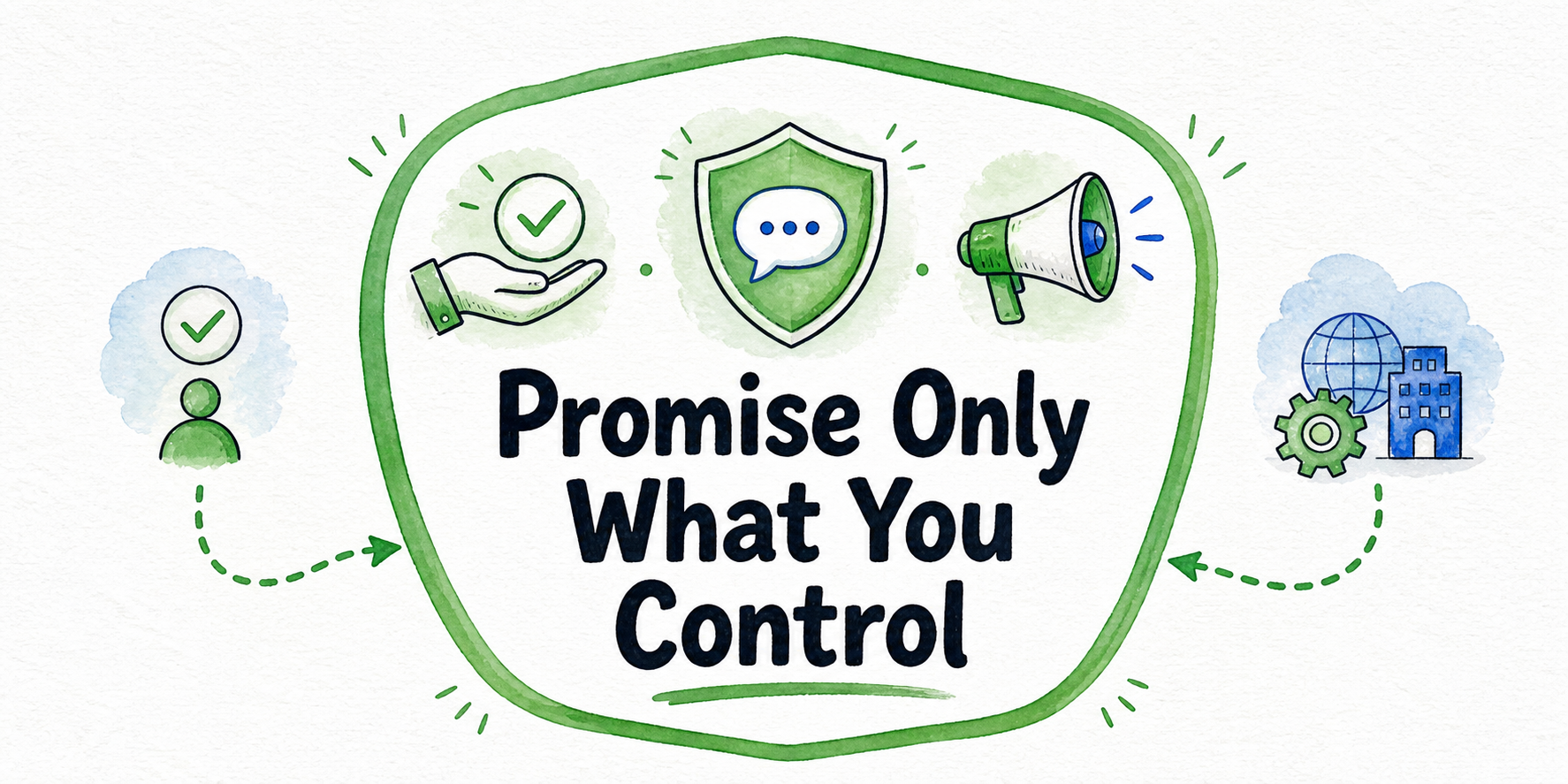
- Editorial voice stays protected through source rules, voice examples, do-not-answer rules, scoped access, escalation paths, and editor review.
Content agencies do not need a chatbot offer that pretends to replace strategy, writers, or editors. The practical decision is narrower: which assistant workflows can help readers use the content a client already approved, capture questions the editorial team should see, and support newsletter planning without letting the assistant invent claims or flatten the client's voice.
Key Takeaways
A content agency chatbot should start with low-risk reader support: finding relevant articles, answering archive questions, explaining already-published material, and routing questions that need a person.
Newsletter workflows should stay close to reader service. A newsletter ai chatbot can help subscribers find past coverage, explain where to start in an archive, collect topic preferences, and surface recurring questions for editors. It should not make final campaign, claim, or voice decisions on its own.
Topic discovery is useful when it shows what real readers ask after consuming owned content. It is not the same as keyword research, search demand, People Also Ask analysis, or an SEO content gap report. Readers who need that narrower SEO workflow can use AI chatbots for SEO agencies and content teams as the handoff.
Human review should remain attached to claims, opinions, sensitive topics, editorial judgment, source selection, final newsletter planning, and new content recommendations. The assistant can organize signals. Editors decide what those signals mean.
Choose The Workflows That Protect Editorial Voice
The first decision is not whether a content agency can sell chatbot work. The decision is which chatbot-assisted workflows fit the agency's editorial responsibility.
Safe Chatbot Workflow
- Source set
Limit answers to approved articles, newsletter archives, policies, and selected resources.
- Reader support
Help readers find past coverage, related pieces, and starting points without inventing claims.
- Audience signals
Collect repeated questions, unsupported intents, source usage, and handoff themes.
- Human review
Editors decide whether signals become updates, newsletter ideas, sales follow-up, or no action.
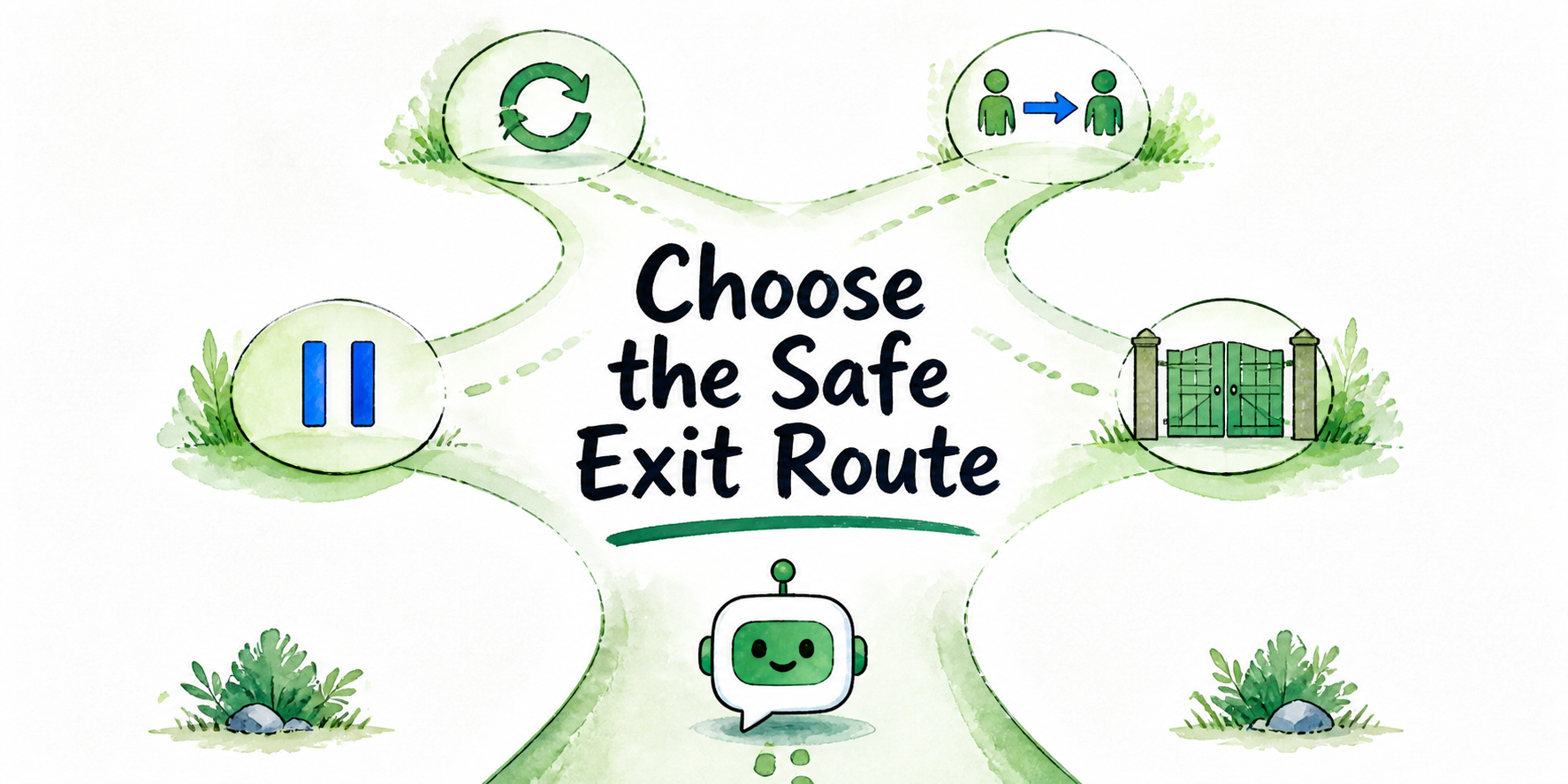
A safe starting rule is simple: offer workflows that answer from approved content and have a clear handoff path when the approved content is not enough. That points the agency toward archive navigation, article Q&A, newsletter archive help, preference capture, and planning input. These workflows extend the content program without asking the assistant to create a new editorial position.
Higher-risk workflows need tighter boundaries. If a client asks the assistant to recommend a public stance, compare competitors, interpret legal or medical claims, or write newsletter copy that goes straight to subscribers, the agency should narrow the scope. Those tasks require editorial judgment, claim review, and approval from the client or editor.
This is where a content agency chatbot differs from a generic website widget. The assistant is not just answering frequently asked questions. It is working inside a body of published thinking, brand language, and newsletter history. The value comes from helping readers use that material, not from producing unsupervised opinions in the client's name.
Before promising the service, align three owners: the person who approves source content, the person who reviews recurring reader questions, and the person who decides what moves into editorial planning. If those owners are unclear, use intake work such as AI chatbot discovery questions for agency client calls before selling the workflow.
Use Archive Navigation When Readers Know The Problem But Not The Page
Large content programs create a common reader problem: the answer exists somewhere, but the reader does not know which article, guide, issue, or resource to open. A chatbot can help when it is grounded in the client's approved website content and archive.
The assistant can respond to questions such as:
- "Where should I start if I am new to this topic?"
- "Have you covered this issue before?"
- "Which article explains the difference between these two options?"
- "Is there a guide for this situation?"
The payoff is practical navigation. Readers get a useful answer from the archive, and the agency learns which source pages are doing the most work. InsertChat's supplied website context supports branded assistants that answer visitor questions from approved website content, with signals such as source usage, top questions, content gaps, lead signals, scoped context, human handoff, and policy guardrails. For content agencies, that means the offer should stay close to the client's owned material and documented rules.
Archive navigation only works when the archive is reliable enough to answer from. If the client's articles are outdated, contradictory, or full of unsupported claims, the assistant should not treat them as equal sources. The agency can still start smaller by limiting the source set to approved cornerstone articles, recent newsletter issues, help pages, or policy-backed resources.
The caveat matters. A chatbot cannot make weak content reliable by repeating it in a conversational format. If the source page is not approved, the answer should be excluded, qualified, or handed to a human owner.
Support Newsletter Readers Without Writing The Newsletter For Them
Newsletter teams often have years of valuable work trapped in past issues. Subscribers may remember a topic but not the date. Prospects may want to understand the publication's point of view before subscribing. Existing readers may want related pieces after reading a recent issue.
Newsletter Support Boundary
| Assistant can support | Keep human-reviewed | |
|---|---|---|
| Archive use | Find past issues by topic | Choose next issue angle |
| Reader help | Suggest related approved material | Approve claims and examples |
| Audience input | Capture topic preferences | Set editorial strategy |
| Planning | Summarize recurring questions | Write and send final newsletter |
A newsletter assistant can support those moments without becoming an email generator. Keep the workflow focused on archive help and audience input:
- Help readers find past newsletter coverage by topic.
- Point readers toward related articles or resources from the approved archive.
- Capture topic preferences, recurring questions, and confusing areas.
- Route requests for advice, claims, or sensitive answers to a human owner.
- Summarize reader interest for an editor-reviewed planning meeting.
This boundary matters because newsletter copy carries a client's voice, claims, and commercial intent. A tool that generates marketing emails, newsletters, promotional campaigns, or nurture sequences belongs to a different workflow. For this article's purpose, newsletter support means helping readers use and respond to the archive, then giving the editorial team better planning input.
A practical example: a reader asks, "Have you written about onboarding a new content lead?" The assistant can find approved past issues and related articles. It can also record that onboarding is a recurring reader topic. It should not decide that next week's newsletter must cover onboarding, write the issue, choose the subject line, and send it without review.
Turn Audience Q&A Into Editor-Reviewed Planning Inputs
Audience Q&A becomes useful when the agency treats it as a source of reader confusion, not an automatic content assignment. The assistant can show what readers ask after landing on a client site, reading an article, or browsing a newsletter archive. That can reveal unclear explanations, missing source material, or topics the audience keeps returning to.
Useful planning signals include repeated archive questions, unsupported requests, top questions, source usage, newsletter topic requests, escalation themes, and content gaps. These signals can help an editor ask better planning questions:
- Which published pieces are readers using most often?
- Which questions appear after readers consume existing content?
- Where does the assistant need to hand off because the source set does not support an answer?
- Which newsletter topics are readers requesting in their own words?
- Which areas need a clearer explanation before they become new content ideas?
The agency should avoid overstating what this data proves. A repeated chatbot question shows owned audience interest or confusion inside that context. It does not prove keyword volume, ranking potential, or search demand. It also does not replace interviews, analytics review, editorial judgment, or client strategy.
A useful meeting format is short: bring five to ten recurring question themes, the source pages used, unsupported intents, and any handoff patterns. The editor decides whether each theme becomes a source update, a newsletter mention, a deeper article, a sales follow-up, or no action.
Set Editorial Guardrails Before The Assistant Answers
Editorial guardrails should be defined before the assistant starts answering readers. They are the difference between a useful ai assistant for content teams and a tool that drifts beyond the client's approved voice.
Start with source hierarchy. The agency and client should decide which materials can support answers: approved website pages, article archives, newsletter archives, documented policies, product pages, public help content, or selected resources. They should also name excluded sources, such as old campaign pages, draft documents, outdated issues, unapproved opinions, or content that conflicts with current positioning.
Then define voice rules. These do not need to be a long brand book inside the assistant. They should include a few approved answer examples, preferred vocabulary, tone boundaries, and rules for when the assistant should be brief, explanatory, or cautious. If the client has strong editorial language, include examples that show how the assistant should sound when it is summarizing source material.
Do-not-answer rules are just as important. The assistant should hand off or decline when a reader asks for claims the source does not support, personalized advice the client has not agreed to provide, sensitive decisions, unpublished opinions, or anything that requires a human editor.
For agencies using InsertChat, supplied context supports roles, agent access, scoped context, human handoff, and policy guardrails. The content-specific decision is who can change sources, who can adjust voice rules, who reviews transcript themes, and who approves editorial conclusions.
Keep These Decisions Human-Reviewed
The easiest way to protect voice is to decide which work the assistant is never allowed to finalize alone.
Keep human review over editorial judgment. The assistant can summarize what readers asked, but an editor decides whether the pattern is meaningful. It can identify a missing source, but a strategist decides whether the client should create new content. It can surface a reader's request for advice, but a person decides how the brand should respond.
Keep human review over claims. This includes product claims, performance claims, pricing statements, legal or medical-adjacent assertions, competitor comparisons, and anything that could affect a reader's decision in a material way. If the claim is not clearly supported by approved source content, the assistant should not make it.
Keep human review over voice exceptions. Some brands have strong opinions, humor, editorial stances, or careful language around sensitive topics. A chatbot should not invent those choices. It should follow approved examples and hand off when a response depends on judgment rather than source retrieval.
Keep human review over newsletters. The assistant can bring forward reader questions, archive patterns, topic requests, and planning notes. The editor still chooses the angle, issue priority, claims, examples, calls to action, and final copy.
This boundary is not a weakness in the service. It is the reason the service can be sold credibly to clients who care about trust, consistency, and editorial quality.
Measure Useful Audience Engagement, Not Search Performance
A content agency should measure whether the assistant helps readers use content and helps editors see useful patterns. That is different from measuring rankings, keyword volume, or search performance.
Use a compact set of content-specific signals:
| Signal | What It Helps Decide |
|---|---|
| Repeated archive questions | Which topics readers are trying to find inside existing content |
| Unanswered reader intents | Which sources are missing, weak, outdated, or excluded |
| Source usage | Which approved pages or issues are supporting the most answers |
| Newsletter topic requests | Which themes deserve editor review before future planning |
| Escalation themes | Which requests need a human owner or narrower assistant rules |
| Top questions | Which reader needs should be easier to answer on the site or in the archive |
| Content gaps | Which unsupported questions may require source review or a client decision |
These measures keep the service aligned with audience support. A high volume of unanswered intents may mean the source set is too narrow, the archive is unclear, or the assistant needs a better handoff path. It does not automatically mean the client needs a new SEO page.
Lead signals can also matter when a reader asks a sales-adjacent question or requests follow-up, but avoid making conversion claims without evidence. Treat those signals as routing input, not proof of revenue impact.
Scenario: A Weekly Newsletter Client With A Deep Archive
A content agency manages strategy and newsletter planning for a client with several hundred articles and a weekly newsletter archive. The client hears that readers often ask for old resources, but the editorial team cannot easily see which past topics are still creating interest.
The agency proposes a narrow assistant workflow. The assistant answers reader questions from approved articles, public newsletter archive pages, and selected resource pages. It can help readers find past coverage, explain where to start, and suggest related approved material. It cannot create new editorial opinions, make unsupported claims, or write the newsletter.
A reader asks, "What have you published about customer education after purchase?" The assistant points to relevant archive pieces and past issue themes. Another reader asks for a claim about expected retention impact. The source set does not support that claim, so the assistant avoids inventing a number and routes the question to the assigned human owner.
At the end of the planning period, the agency reviews recurring reader questions, top questions, source usage, unsupported intents, newsletter topic requests, and handoff themes. The editor sees that readers keep asking for post-purchase education examples, but the existing archive is scattered. The editor may choose to refresh an older article, create a curated newsletter section, or leave the topic alone because it does not fit the current strategy.
The assistant helped the archive become easier to use and gave the editor better input. It did not replace the editorial meeting, the newsletter plan, or the client's voice.
FAQ
Should content agencies use chatbots to write newsletters?
Not as the core workflow for this service. Use the assistant for newsletter archive navigation, reader questions, preference capture, and planning input. The editor should still approve the angle, claims, examples, copy, and final send decision.
Can chatbot questions guide new content topics?
Yes, with a narrow interpretation. Chatbot questions can show what owned audiences ask, where readers get confused, and which archive topics keep resurfacing. They should not be treated as proof of search demand or automatic content assignments.
How do agencies protect editorial voice?
Use approved source sets, voice examples, do-not-answer rules, scoped access, handoff paths, and editor review. If the assistant cannot support an answer from approved content, it should say less, ask for clarification, or route the request to a person.
When should a content agency avoid this chatbot offer?
Avoid or narrow the offer when the client has weak source content, unresolved claims, no editor to review patterns, or an expectation that the assistant will replace strategy. For broader risk control, use AI chatbot implementation mistakes agencies should avoid before committing to the service.
What should stay human-reviewed?
Keep editorial judgment, brand voice exceptions, sensitive topics, product or performance claims, final newsletter decisions, content strategy, and new article recommendations under human review. The assistant can surface patterns and support reader navigation. People own the editorial decisions.