TL;DR
- Treat every additional language as a separate customer-service release, not a translation setting.
- Confirm demand through actual conversations, customer records, or documented site needs.
- Complete a release matrix covering the workflow, sources, terminology, reviewer, fallback, handoff, gaps, and status.
- Test retrieval, factual meaning, terminology, tone, formatting, refusal behavior, and handoff context separately.
- Use the evidence to approve, narrow, repair, or postpone the release.
A chatbot can sound fluent in a target language while retrieving the wrong policy, changing an important condition, using an unfamiliar business term, or handing an unusable transcript to an employee. Readiness therefore has to be judged for one target language and one bounded workflow—not from fluency alone.
Key Takeaways
- Language demand should be demonstrated, not inferred from population size or broad market potential.
- Every language release needs canonical sources, an approved terminology glossary, a bilingual reviewer, a fallback language, and a named handoff owner.
- A polished answer can still fail retrieval or factual testing, so each quality dimension needs its own result.
- Approval applies only to the tested workflow and its stated exclusions. It does not approve every support topic in that language.
- Missing business guidance is a reason to postpone, not an invitation for the chatbot to improvise.
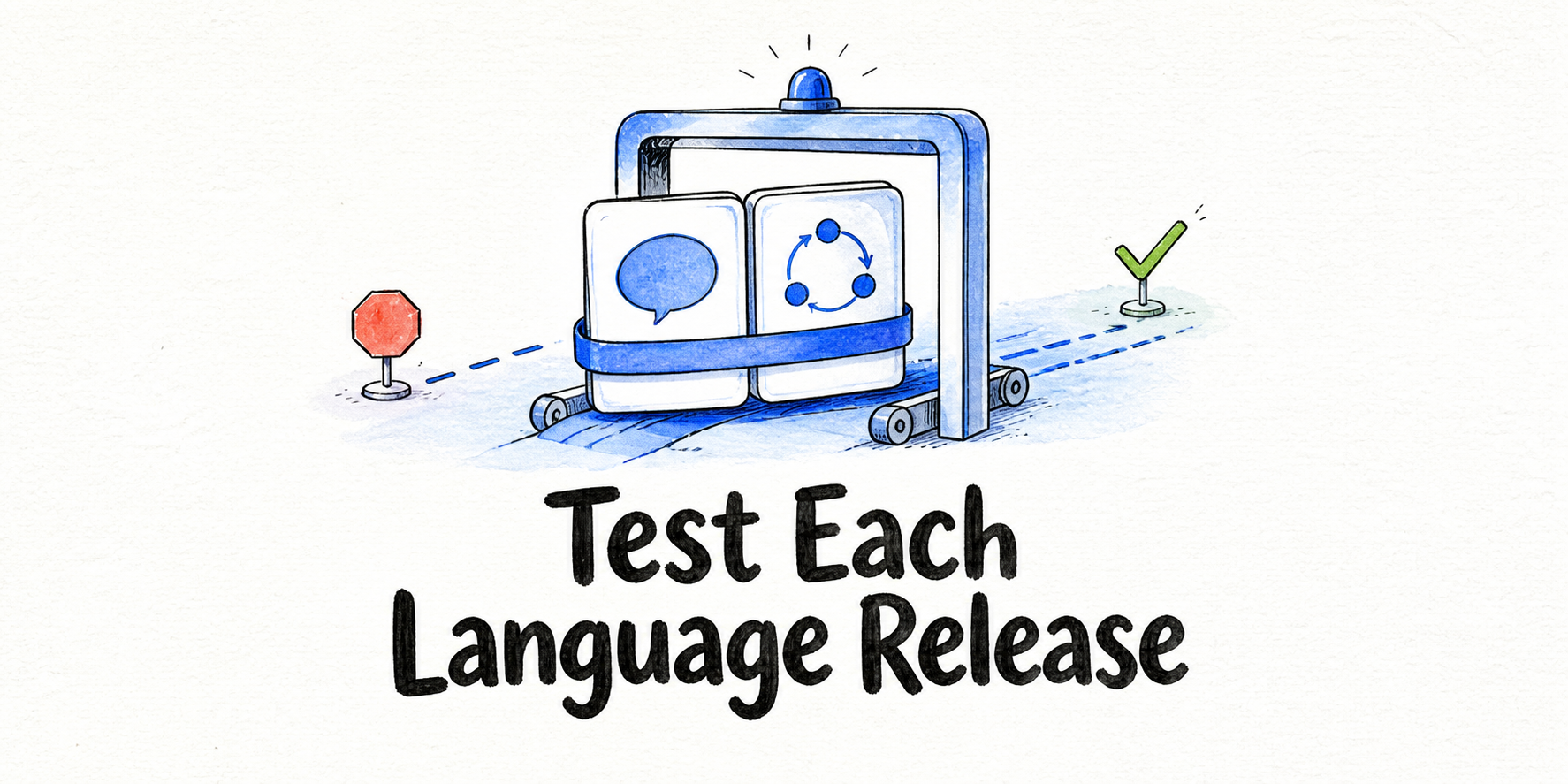
Treat Each Language as a Separate Service Release
Operationally, multilingual customer support AI means delivering controlled customer support in more than one language. The control matters: each release needs approved knowledge, defined behavior, human review, a safe fallback, and a working handoff path.
Use these terms consistently in the release record:
- Source language: the language used by the canonical business source, such as the approved return policy or service guide.
- Target language: the customer-facing language being evaluated for release.
- Terminology glossary: the approved translations or retained forms of product names, policy terms, service labels, abbreviations, and prohibited wording.
- Language detection: the mechanism that determines which language the customer is using.
- Fallback language: the language used when the request cannot be handled safely in the target language.
- Bilingual reviewer: a person authorized to judge both the target-language wording and the underlying business meaning.
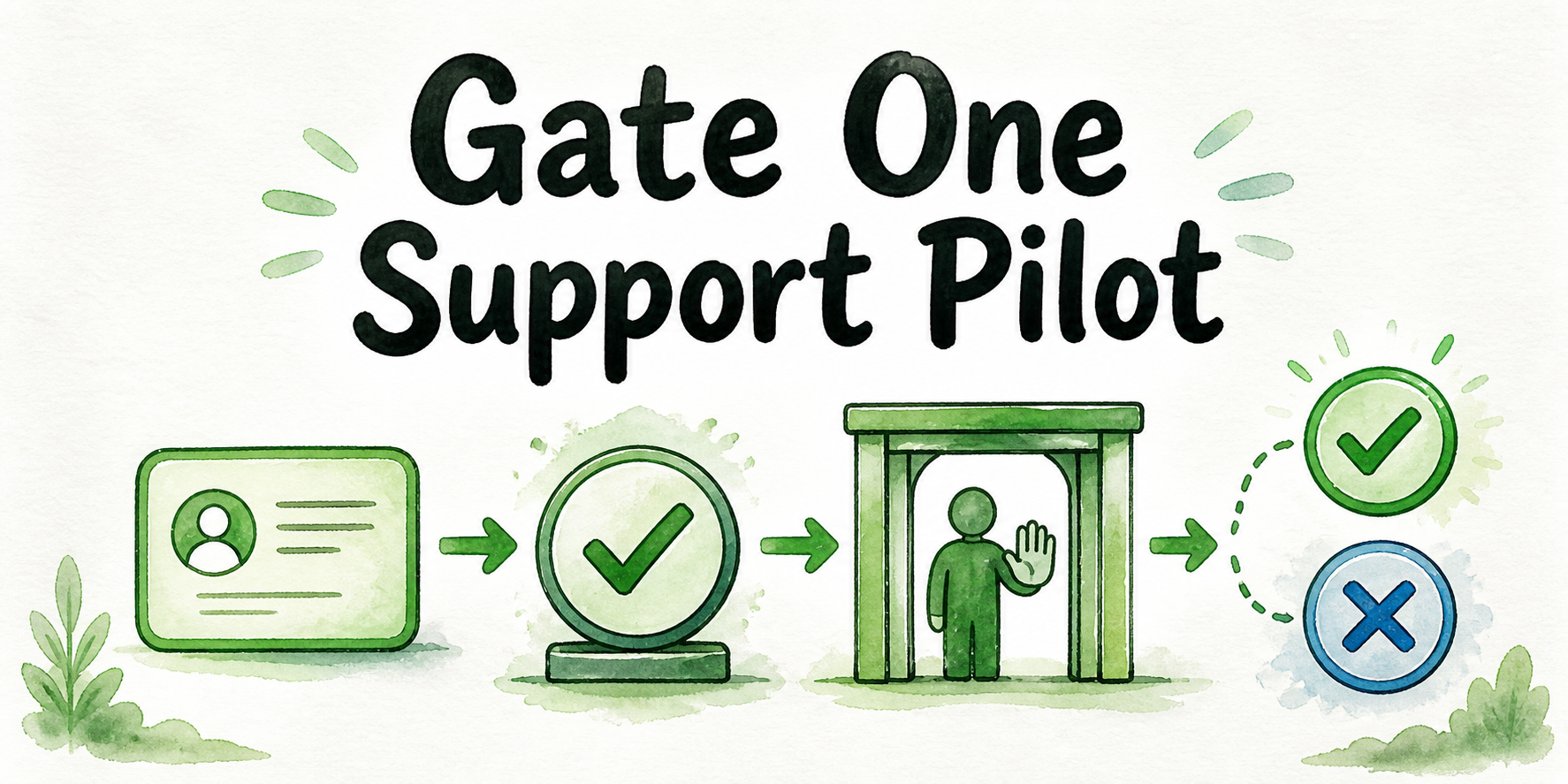
- Language acceptance gate: the recorded decision that approves, limits, sends back, or postpones the release.
Suppose the workflow covers public questions about returns. The source language may be English, while the target language is the language customers will use in the chatbot. The test is not whether the chatbot can translate a sentence. It is whether it can preserve the approved return conditions across realistic questions, exceptions, refusals, and handoffs.
Language detection and fallback behavior must also be verified in the chosen implementation. Do not assume how mixed-language input, uncertain detection, or automatic fallback works. Define the expected behavior first, then test what the customer and support employee actually experience.
Prove Demand Before Choosing the Target Language
Start with a language-demand inventory. Its purpose is to separate observed customer need from an attractive but untested market assumption.
Review the evidence already available to your team:
- Languages customers use in chat, email, tickets, forms, search queries, or sales conversations
- Customer records that identify a documented language need
- Requests from existing accounts, partners, or client teams
- Site sections, products, policies, or regions that require a particular customer-facing language
- Support workflows for which current, approved guidance already exists
For each candidate, record the observed language, the customer job, the evidence source, frequency or business importance if known, and the owner who can confirm the need. Leave an unknown count blank. A guessed number makes a weak decision look more certain without making it more useful.
Do not choose a language only because many people speak it in a target region. Population can suggest where to investigate, but it does not show that visitors need help with this workflow, on this site, in that language.
The first release should pair one demonstrated target language with one already-bounded workflow. If the workflow is still vague—“handle customer service,” for example—make it narrower before building the language test. “Answer public return-policy questions” is testable; “support all ecommerce customers” is not.
Build the Language Release Matrix
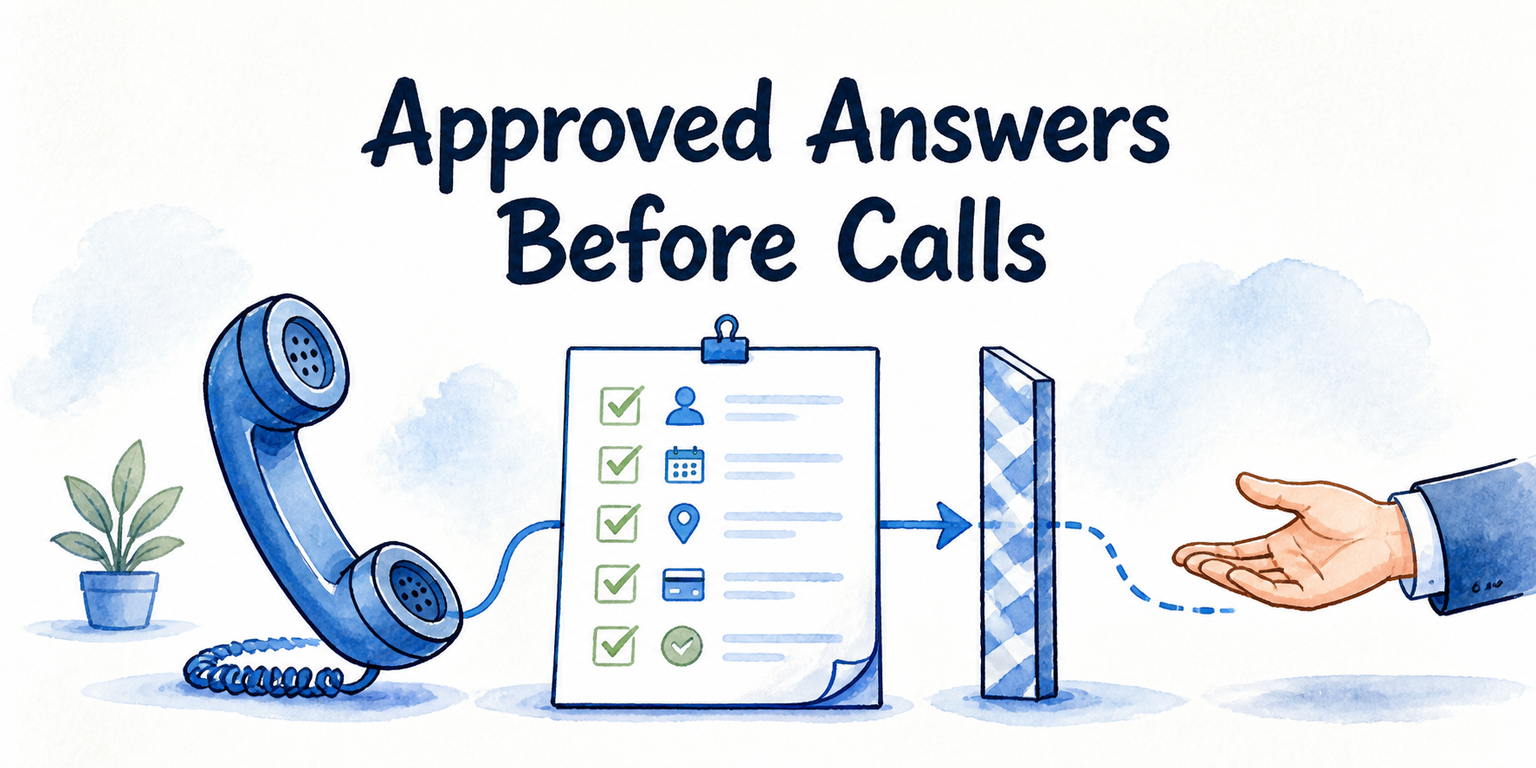
The release matrix makes missing dependencies visible before testing begins. Use one row for each target-language workflow rather than one row for an entire language.
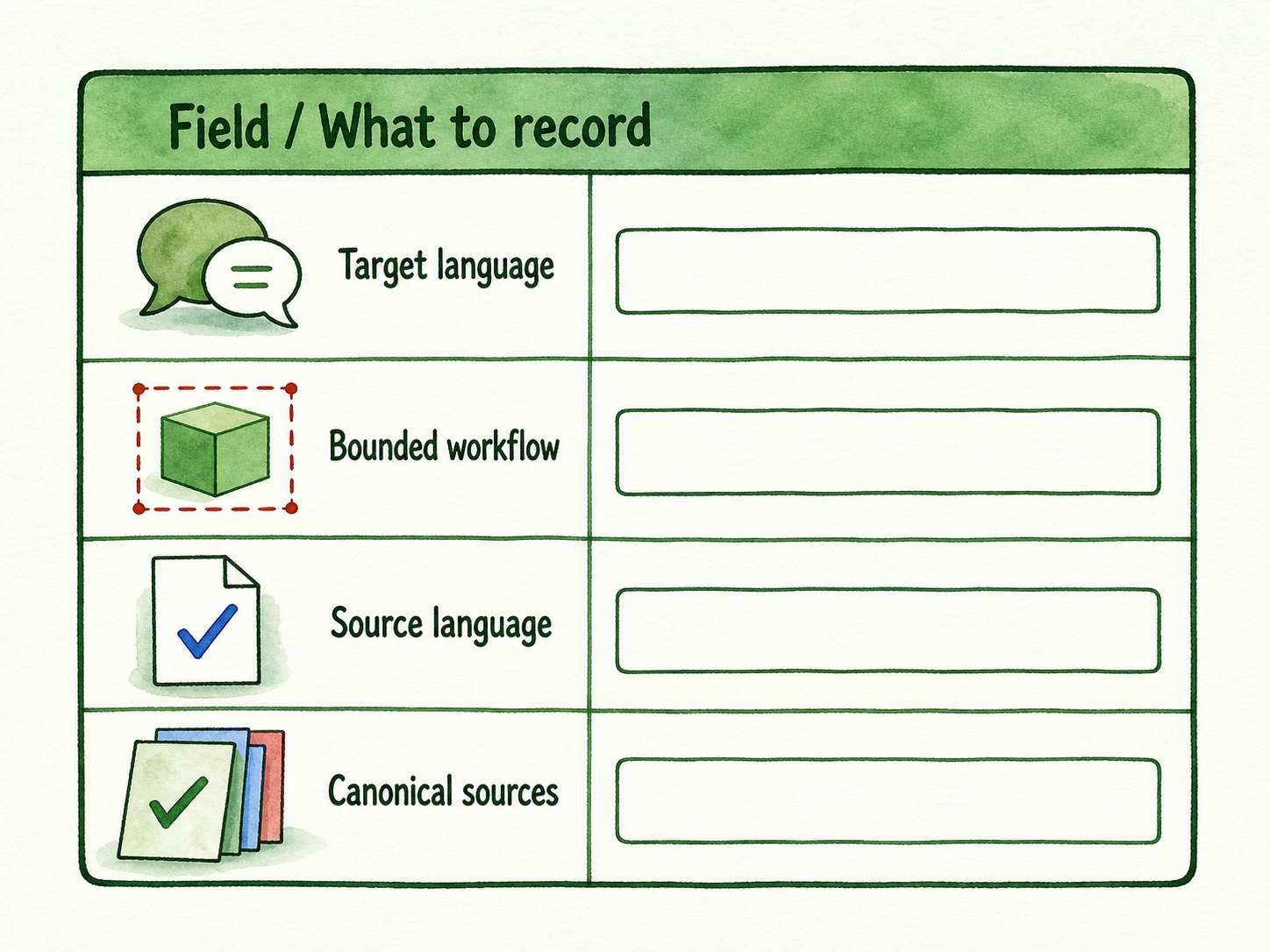
| Field | What to record |
|---|---|
| Target language | The customer-facing language under review |
| Bounded workflow | The exact questions or customer job included |
| Source language | The language of the canonical guidance |
| Canonical sources | Current, approved policies, pages, documents, or records |
| Business terminology | Required, retained, prohibited, or context-dependent terms |
| Glossary owner | Person responsible for approving terminology changes |
| Bilingual reviewer | Person authorized to assess wording and business meaning |
| Language detection | Expected behavior and cases that must be verified |
| Fallback | Fallback language and the wording shown to the visitor |
| Handoff | Owner, destination, and context the person must receive |
| Exclusions and gaps | Unsupported topics, missing guidance, or known edge cases |
| Status | Draft, testing, repair, approved, narrowed, or postponed |
| Acceptance record | Decision owner, evidence reviewed, exclusions, and date |
| Retest state | Defect owner, required change, and condition for retesting |
Canonical sources should be narrow enough to inspect. If three documents disagree about an exception, adding all three does not create reliable coverage. A business owner must resolve the conflict or explicitly remove that exception from the release.
The glossary deserves the same discipline. Record customer-facing terms whose literal translation could alter meaning, confuse established customers, or conflict with legal or product wording. Give someone authority to approve changes; otherwise terminology disagreements tend to reappear during every retest.
How Do You Test a Multilingual Customer Support Chatbot?
Test it with representative questions in the target language, then record each quality dimension separately. Start with wording taken from real customer conversations when available. Add shorthand, spelling mistakes, or mixed-language input only when your demand evidence shows customers use them.
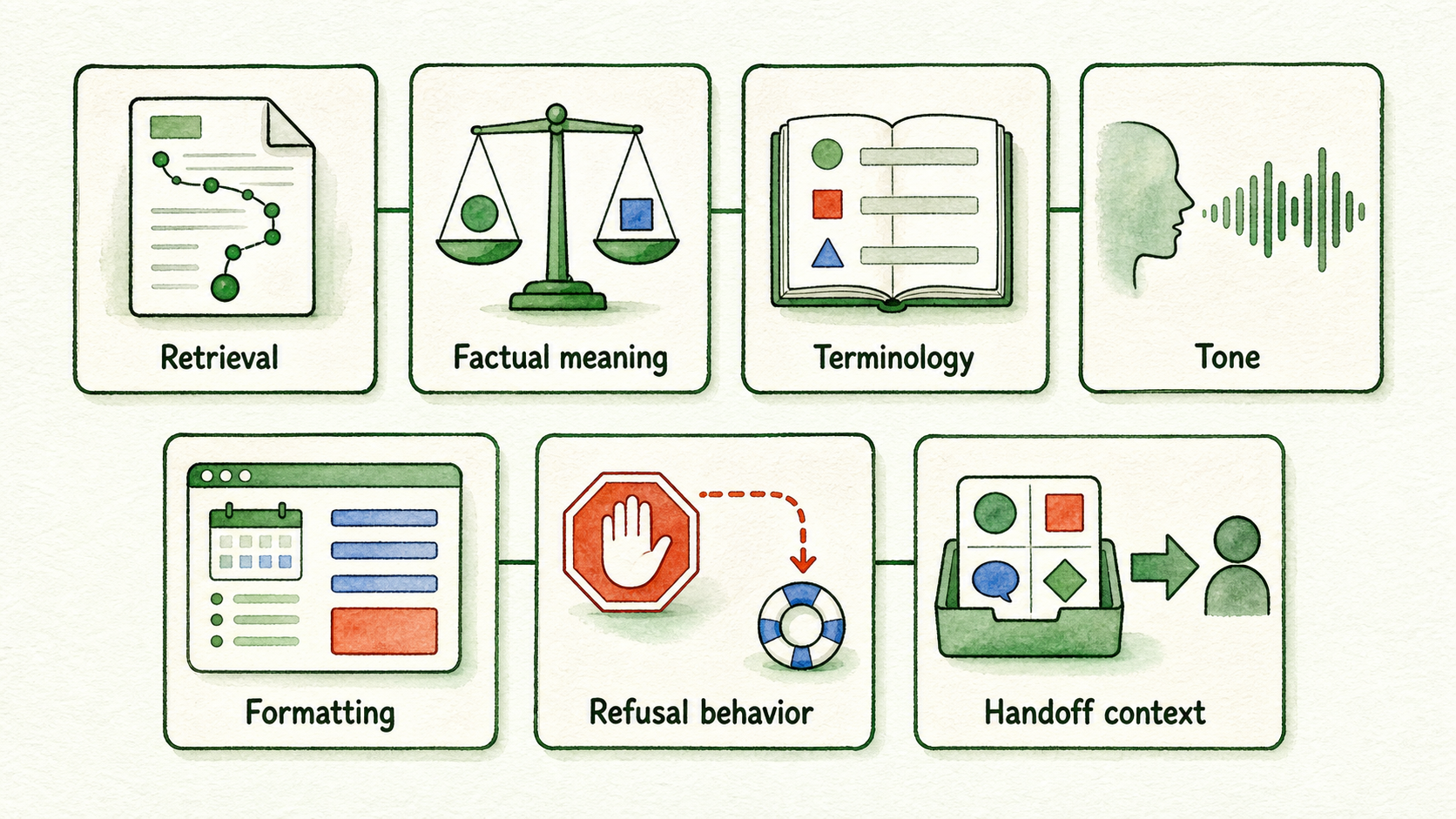
For every question, define the expected source, essential facts, accepted terminology, allowed action, and safe failure behavior before running the test. This prevents a fluent answer from changing the standard after the fact.
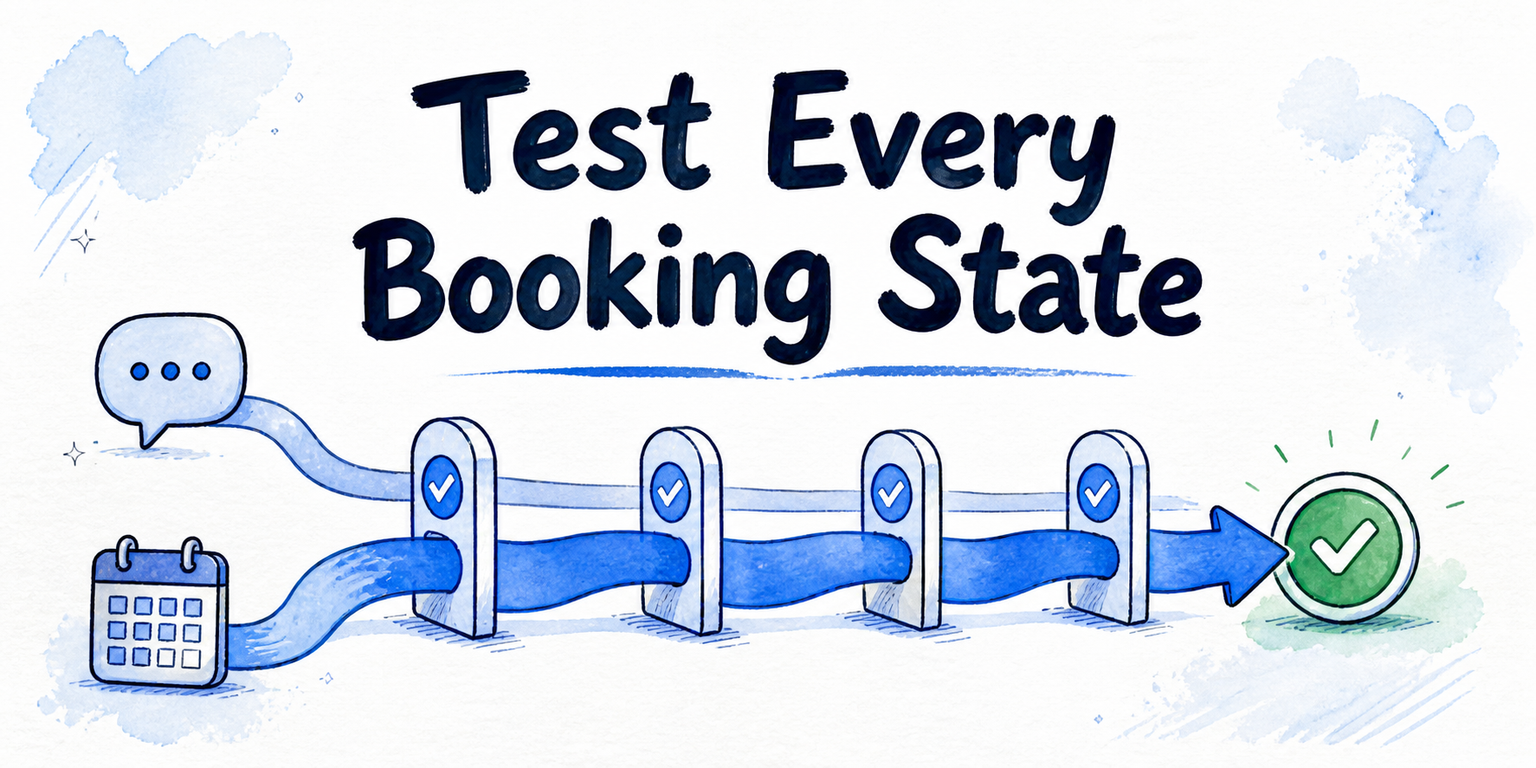
Use seven distinct tests:
- Retrieval: Did the chatbot use the canonical source for the question? A correct-sounding answer drawn from an outdated or unrelated page is still a retrieval failure.
- Factual meaning: Did the answer preserve every material condition in the approved guidance? Check eligibility, exclusions, sequence, responsibilities, and required next steps—not just the general idea.
- Terminology: Did it use glossary terms consistently? Watch for product names, service levels, policy labels, and words whose everyday translation differs from the business meaning.
- Tone: Did it sound appropriate for the customer without softening, strengthening, or otherwise changing the policy? Friendliness cannot come at the expense of precision.
- Formatting: Did dates, numbers, currencies, units, links, lists, and interface elements appear correctly for the workflow? Test only the formats relevant to the target language and customer task.
- Refusal behavior: Did the chatbot stop safely when asked for unsupported, sensitive, or excluded guidance? The refusal should explain the limit and provide the approved fallback or next step.
- Handoff context: Did the receiving person get the customer's question, the prior answer, the detected or selected language, and the reason for escalation in usable form?
Do not collapse the results into one impression such as “good translation.” An answer can pass tone and terminology while failing factual meaning. Separate records show whether the repair belongs in the source, glossary, configuration, presentation, refusal rule, or handoff route.
There is no useful universal pass percentage for every business and workflow. The workflow owner should define question-level acceptance criteria before testing, with stricter treatment for errors that could change a customer's eligibility, payment, safety, access, or obligations.
Use One Gate: Approve, Narrow, Repair, or Postpone
Once testing is complete, assign one of four decisions:
- Approve when all required test dimensions pass for the bounded workflow and its reviewer, fallback, handoff, ownership, and exclusions are ready.
- Narrow when a useful subset passes and the failing topics can be clearly excluded. The customer must not be led to expect coverage outside that subset.
- Repair when a correctable source, glossary, configuration, formatting, refusal, detection, or routing defect has a named owner and can be retested before release.
- Postpone when canonical guidance, reviewer capacity, safe fallback, handoff ownership, or acceptance criteria are missing—or when consequential meaning failures remain unresolved.
For example, public return-policy questions might pass while account-specific refund exceptions do not. If those exceptions can be detected and handed to a person safely, narrow the release to public policy questions. If the boundaries cannot be enforced reliably, repair or postpone instead.
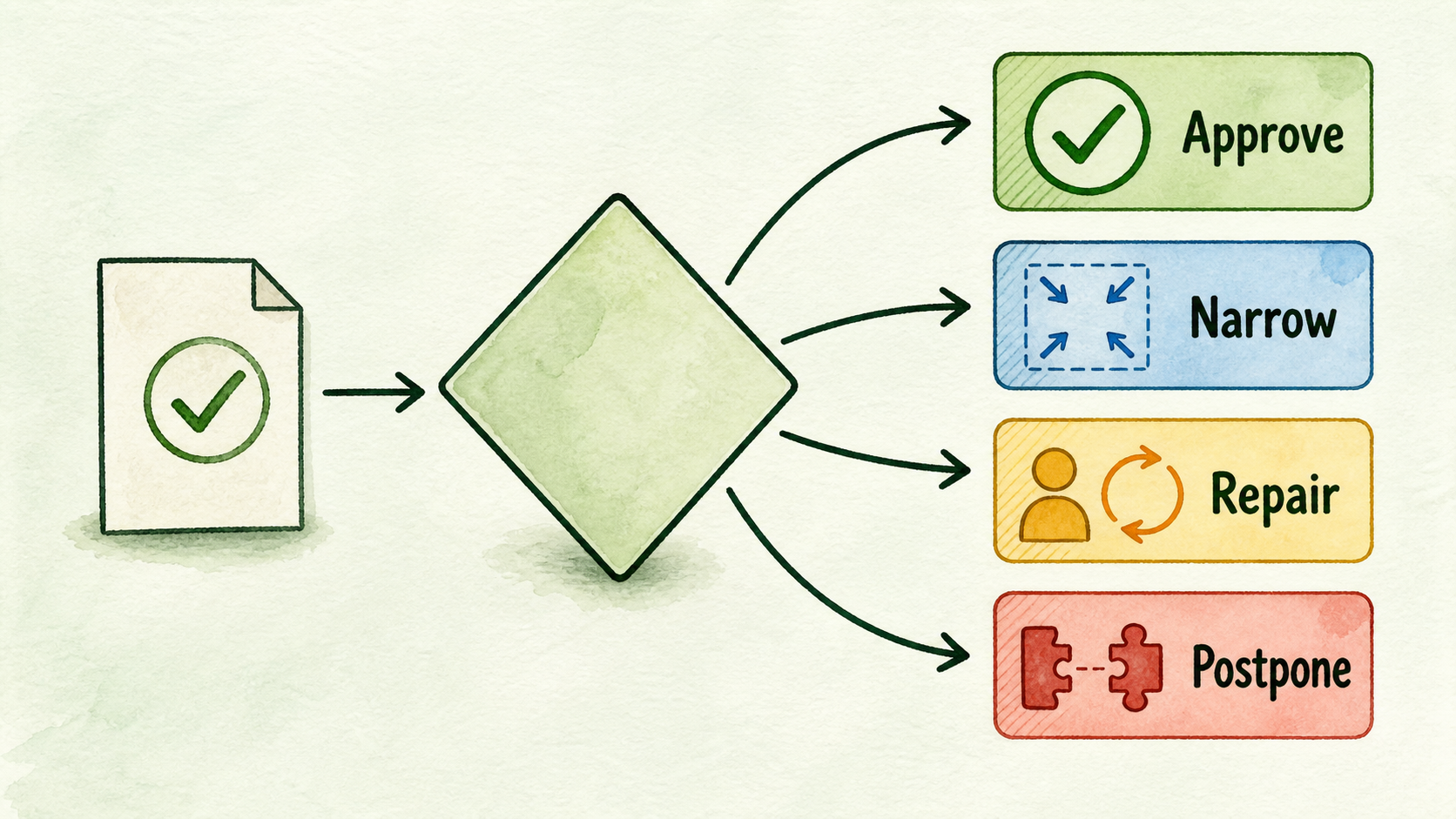
Record the decision, owner, approved scope, excluded topics, unresolved defects, and retest condition. “Approved in Spanish,” for example, is too broad. “Approved for public return-policy questions in the tested web workflow, excluding account-specific exceptions” tells operators what customers may safely receive.
Worked Application: One Workflow, One Target Language
Consider this hypothetical example: a retailer sees repeated return questions in a target language across customer emails and site conversations. The team uses those real records to confirm demand, while keeping the release limited to public return-policy questions.
The release matrix identifies the current return policy as the canonical source. It lists the source and target languages, approved translations for key return terms, the glossary owner, a bilingual reviewer, the expected fallback wording, and the support employee responsible for account-specific cases.
The team then asks ordinary policy questions, abbreviated questions, and one unsupported exception. The chatbot retrieves the correct policy and produces fluent answers, but one response changes the meaning of the return-window condition. That answer passes tone and formatting yet fails factual meaning.
Fluency does not earn approval. The team assigns the defect to the source or configuration owner, keeps that topic out of the release, and retests it. If the remaining public questions pass and excluded cases reach the handoff owner with usable context, the team can narrow the release. If the chatbot cannot keep the failing topic outside customer-facing answers, the release waits.
Only Then Stage the Controlled Trial
A controlled trial should begin only after the matrix and question-level test plan are complete for one target language and one workflow. Use a controlled page, non-sensitive test content, named reviewers, and the same acceptance record you intend to use for the release decision.
If InsertChat is the platform you want to evaluate, use the trial to execute this defined plan—not to discover the scope while customers are already relying on it. Platform capability does not replace target-language review, approved business guidance, or human ownership.
Once those pieces are ready, Start for Free and test the bounded workflow before considering a wider customer release.
FAQ
How do you test a multilingual customer support chatbot?
Build questions from demonstrated customer demand, define the expected answer and source, and test retrieval, factual meaning, terminology, tone, formatting, refusals, and handoff context separately. A bilingual reviewer should record each result against criteria set before testing.
What is the difference between source language and target language?
The source language is the language of the canonical business guidance. The target language is the language in which the customer receives support. Testing must confirm that essential meaning survives the path between them.
Who should act as the bilingual reviewer?
Choose someone who understands both languages, the bounded workflow, and the consequences of a wrong answer. The reviewer must also have authority to reject wording or escalate unresolved business guidance; language fluency alone is insufficient.
How should mixed-language or incorrectly detected input be handled?
Define the expected detection, clarification, fallback, and handoff behavior for your implementation, then test it directly. If the system cannot identify the intended language confidently, it should use the approved clarification or fallback path rather than guess at consequential guidance.
What should happen when only part of the workflow passes?
Narrow the release only if the passing subset remains useful and failing topics can be explicitly excluded or handed off safely. Otherwise, repair the defects or postpone the release.
Does multilingual capability prove readiness in every available language?
No. It shows that a platform can operate across languages, not that your sources, terminology, detection behavior, fallbacks, reviewers, and handoffs are ready for every workflow. Each target-language workflow needs its own acceptance decision.