TL;DR
- An AI chatbot retainer service should sell a maintained assistant and monthly improvement loop, not only a chatbot build.
- Setup work covers configuration, approved source collection, training content, and testing. Monthly work covers monitoring, updates, issue review, and reporting.
- Free-tool style workflows can work as starter offers when they prove repeated visitor questions or handoff needs before a branded assistant.
- The retainer needs rules for update cadence, content ownership, issue triage, reporting cadence, and larger change requests.
- Reporting should show what happened, what changed, and what should be improved next without promising exact ROI unless the client can prove it.
Your agency may already know how to configure a chatbot, connect approved content, and test common visitor questions. The harder decision is how to turn that work into a monthly service clients understand without treating every new idea, page edit, or workflow request as included support. A strong chatbot retainer model gives the client ongoing maintenance and improvement while giving your team a clear delivery boundary.
Key Takeaways
A useful retainer promise is: "We keep your assistant current, review how people use it, and make approved improvements on a fixed cadence."
The service should separate implementation from operations. Setup creates the first usable assistant. The monthly retainer keeps it maintained through monitoring, training content updates, testing, and reporting.
Starter workflows are entry points, not the whole offer. Use them to show that visitors repeat the same questions, need clearer next steps, or require better handoff before proposing a branded assistant.
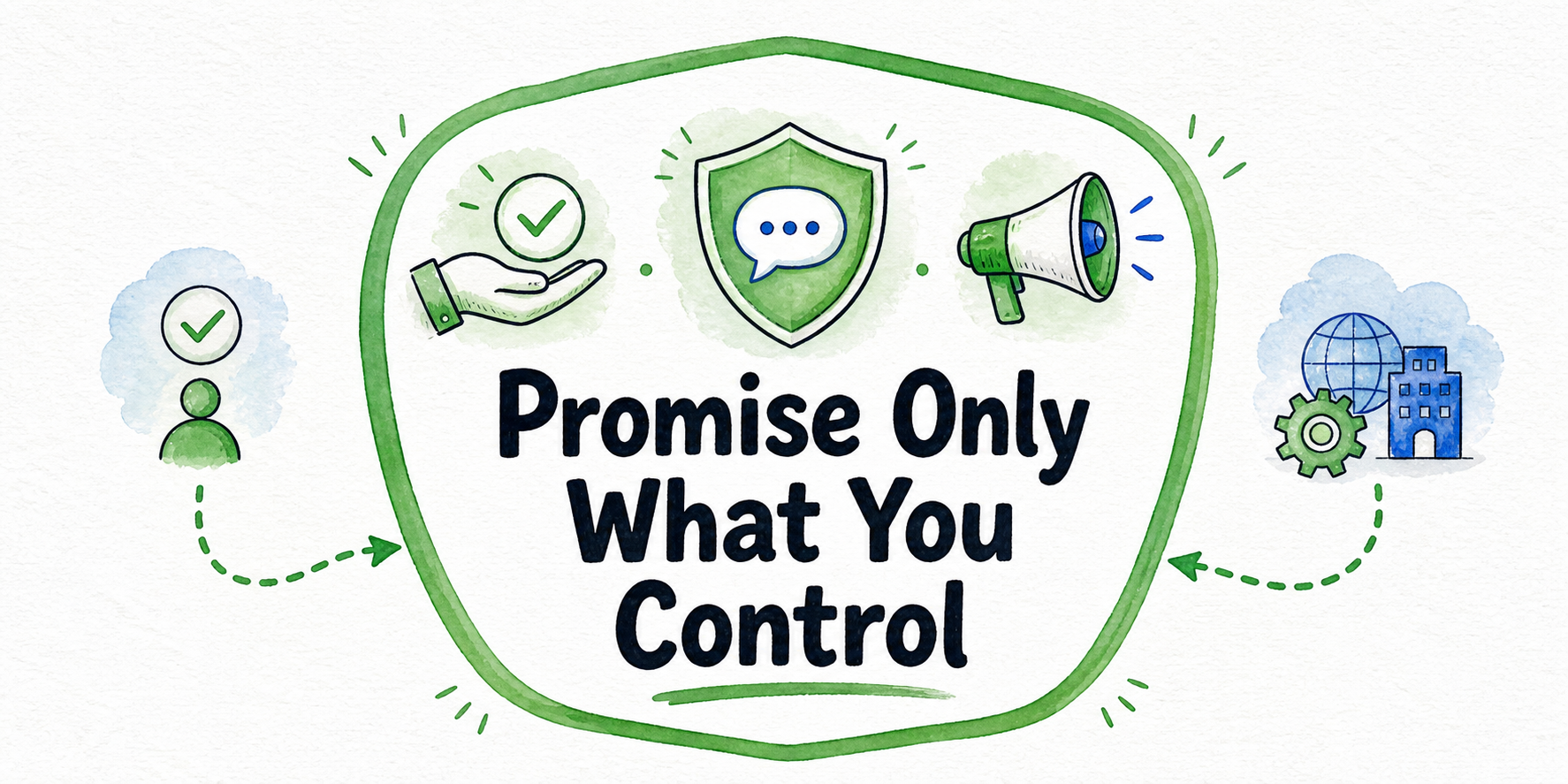
Boundaries protect the service. If update volume, content ownership, issue triage, reporting frequency, and larger change requests are unclear, the retainer can become unlimited custom support.
Start With The Retainer Outcome
Before naming features, define what the client is paying for every month. The simplest answer is a maintained assistant plus a monthly improvement cycle.
That matters because a chatbot build can look like a one-time project. The client sends source material, the agency configures the assistant, common questions get tested, and the assistant goes live. If the offer stops there, every improvement becomes a new sale, and the client may assume the assistant will stay accurate without maintenance.
A retainer changes the promise. The assistant becomes a client-facing channel that needs upkeep. Source content changes. Service pages change. Support policies change. Visitor questions expose missing content, weak answers, and handoff problems. The agency owns the rhythm for reviewing those signals and applying approved updates.
A clear client-facing description is:
"We set up and maintain your website assistant, review conversation patterns each month, update approved training content, test key flows, and send a short report with recommended improvements."
This framing does not fit every opportunity. If the client only wants a short experiment, has no approved content owner, or cannot review source updates, a monthly retainer may be premature. In that case, start with a smaller workflow or one-time setup.
Split Setup From Monthly Operations
A repeatable ai chatbot retainer service needs two lanes: setup work and monthly work. Mixing them creates confusion about what is included after launch.
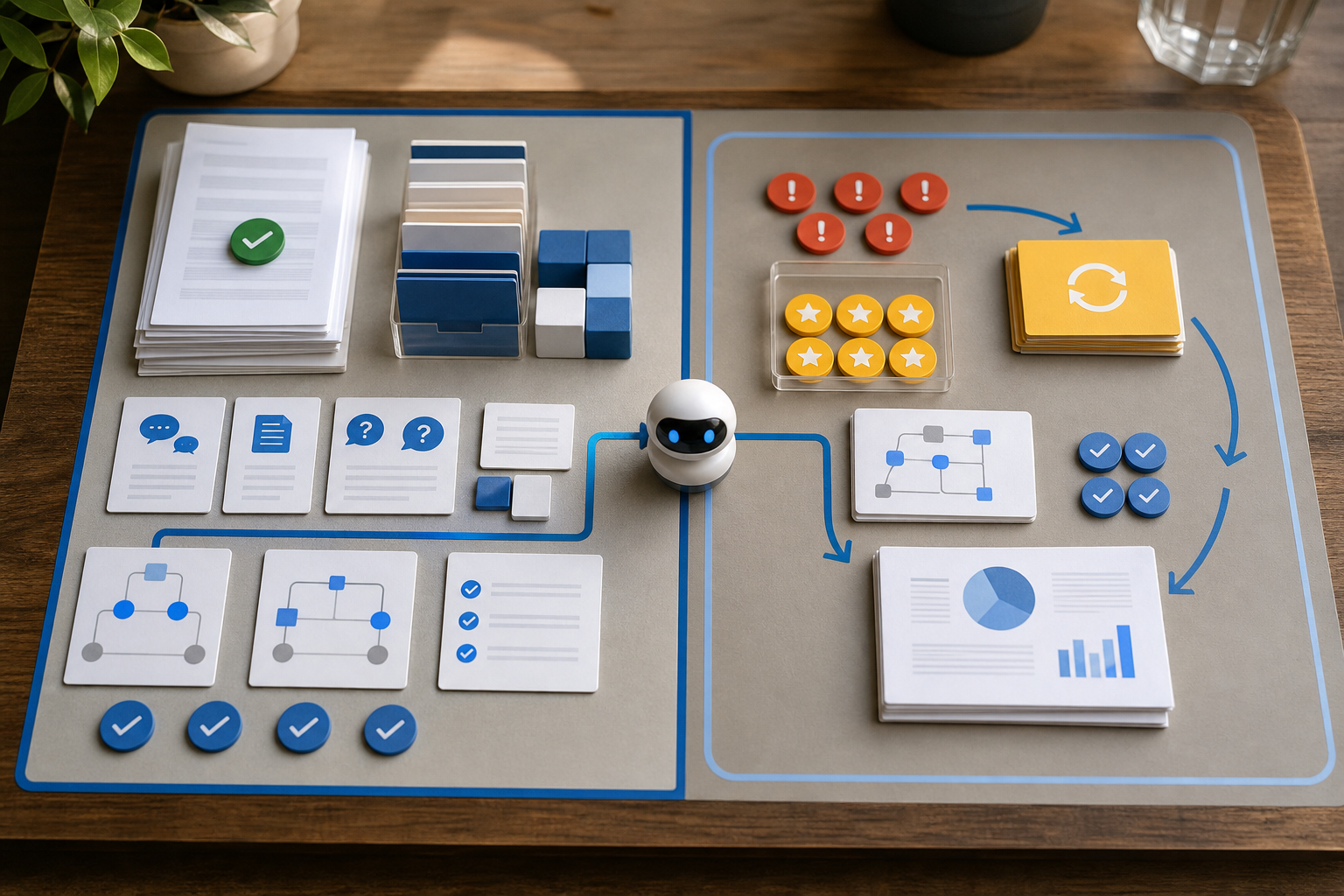
Setup creates the first usable assistant. It usually includes assistant configuration around the agreed workflow, collection of approved source material, preparation of training content, and testing against common questions and expected handoff paths. Training content may include tightened FAQs, help copy, policy snippets, product explanations, or other approved material the assistant can use.
Monthly operations keep the assistant useful. They usually include monitoring recent conversations or issue logs, reviewing unanswered questions and weak answers, updating approved training content on a fixed cadence, re-testing priority flows after updates, and sending a short report with findings and next steps.
This split protects both sides. The client can see that setup is not a vague onboarding fee; it produces the first operating assistant and the source base it depends on. The agency can explain that the retainer starts after the first controlled version exists.
It also helps assign owners. Account leads can own the client-facing package. Content specialists can own training material. Implementation staff can own configuration and testing. Delivery managers can own the monthly review cadence.
Keep the distinction simple. Setup gets the assistant ready. The retainer keeps it maintained and improving. Detailed launch criteria, acceptance testing, and full scope language belong in a separate project scope, not in the retainer pitch.
Use Starter Workflows Before A Branded Assistant
Some clients are not ready to buy a branded assistant retainer in the first conversation. A starter workflow gives them a smaller way to test the need before committing to a managed service.

A free-tool style workflow works best when it solves one narrow problem and reveals a repeatable pattern. For example, a simple content workflow might help answer a recurring policy question, collect structured lead details, or route visitors toward the right next step. The point is not to build a separate free-tools strategy. The point is to prove that the same questions or handoff needs keep appearing.
Once the pattern is visible, the agency can explain the next step: a branded assistant placed directly in the client journey, grounded in approved content, monitored for missed questions, and updated each month.
InsertChat's indexed positioning supports workflow-led planning: teams can browse assistant workflow pages across marketing, support, ecommerce, content, lead capture, handoff, and website visitor experience. For an agency, that can help frame the starting point around the visitor problem before moving into a branded assistant package.
Use this path carefully. Starter workflows are entry points. They can help a client see demand, clarify the content needed, and identify a first assistant workflow. The recurring value still comes from maintaining, testing, monitoring, updating, and reporting on the assistant once it is live.
Package Deliverables Clients Can See
Clients buy retainers more confidently when the monthly work is concrete. The package should name what the client receives and where the boundary sits.

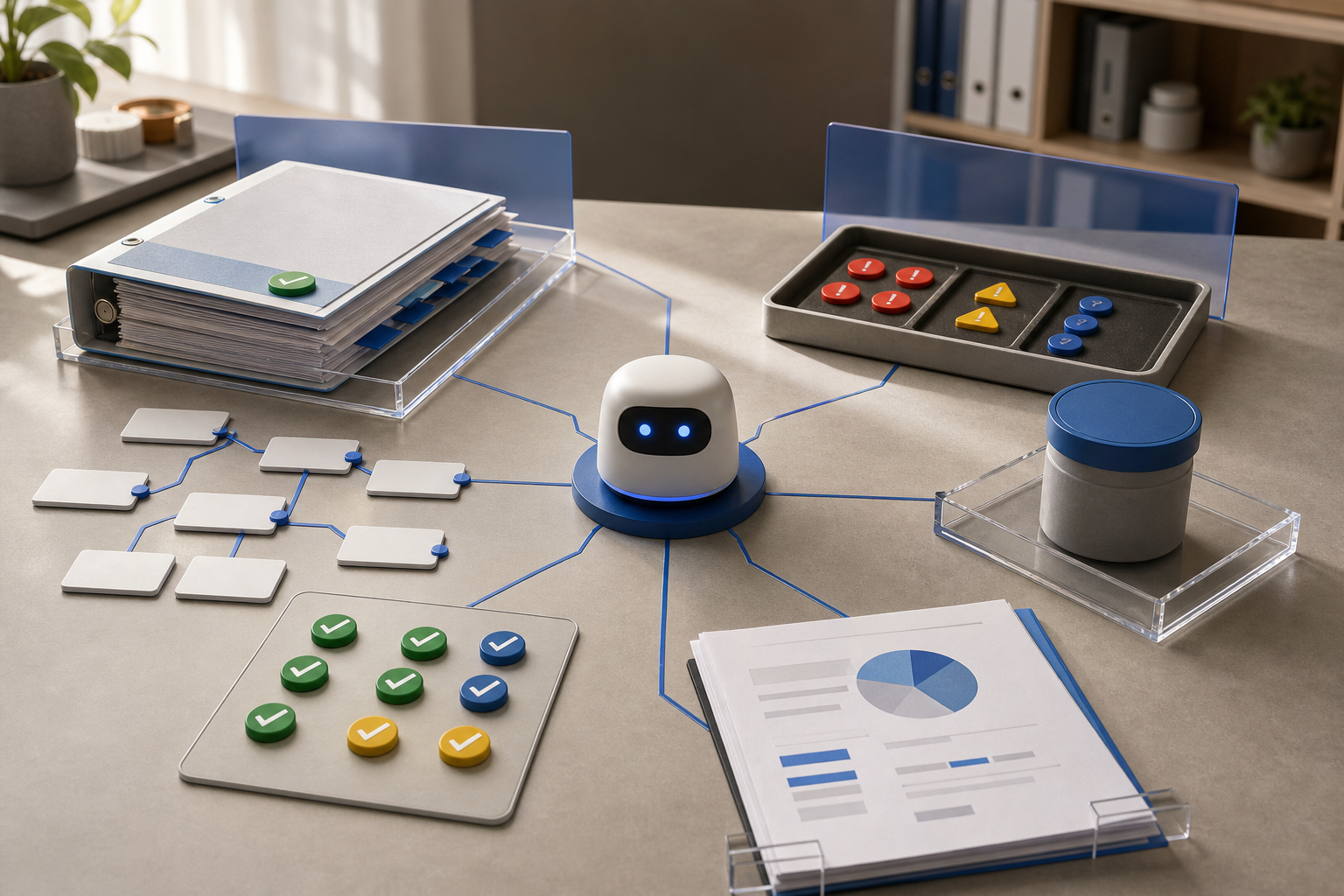
| Deliverable | What the client receives | Boundary to define |
|---|---|---|
| Setup carryover | A maintained assistant based on the original setup and approved source material | New workflows or major repositioning are separate from routine maintenance |
| Training content updates | Approved content edits added to the assistant knowledge base or response guidance | The client must provide approved source changes in the agreed format |
| Testing | Re-checks of priority questions, handoff paths, and recently changed content | Testing covers agreed flows, not every possible visitor message |
| Monitoring | Review of recent issues, unanswered questions, weak answers, and handoff friction | Monitoring happens on the agreed cadence, not as real-time custom support unless separately sold |
| Updates | Monthly improvements based on approved content and observed issues | Update volume should be capped or clearly bounded |
| Reporting | A short summary of activity, issues, fixes, and recommended next actions | Reporting should guide decisions, not become a broad analytics program |
This structure names the recurring work without promising exact response quality, cost savings, revenue gains, or support reduction. Those claims require evidence from the client's own environment.
Avoid vague package labels such as "AI optimization" unless the deliverables underneath are named. A client should know whether that phrase means content updates, conversation review, testing, report preparation, or a strategy meeting.
If you offer more than one package level, keep the differences operational. One package may include a lighter monitoring cadence. Another may include more frequent update cycles or more priority flows. Avoid tiers built around claims the agency cannot prove.
Standardize The Rules That Protect The Retainer
The biggest delivery risk is the service boundary after launch. Without standard rules, every new page, policy edit, campaign, handoff idea, or workflow change can be treated as included monthly work.

Standardize five rules before selling the retainer.
First, define update cadence. The client should know when updates are reviewed and applied. If approved source changes are reviewed monthly, a request sent tomorrow should not automatically become urgent custom work.
Second, define knowledge-source responsibility. Name the client-side owner who approves source material before the agency uses it. The agency should not be expected to decide whether a policy, price, offer, or legal statement is correct unless that responsibility has been explicitly assigned and supported.
Third, define content handoff format. Require source updates in a usable format, such as edited page copy, help articles, approved FAQ changes, or policy snippets. Loose notes and forwarded email threads make the monthly process harder to control.
Fourth, define issue triage. Separate answer fixes, missing content, handoff problems, platform issues, and new workflow requests. A weak answer caused by missing content is different from a new lead qualification flow.
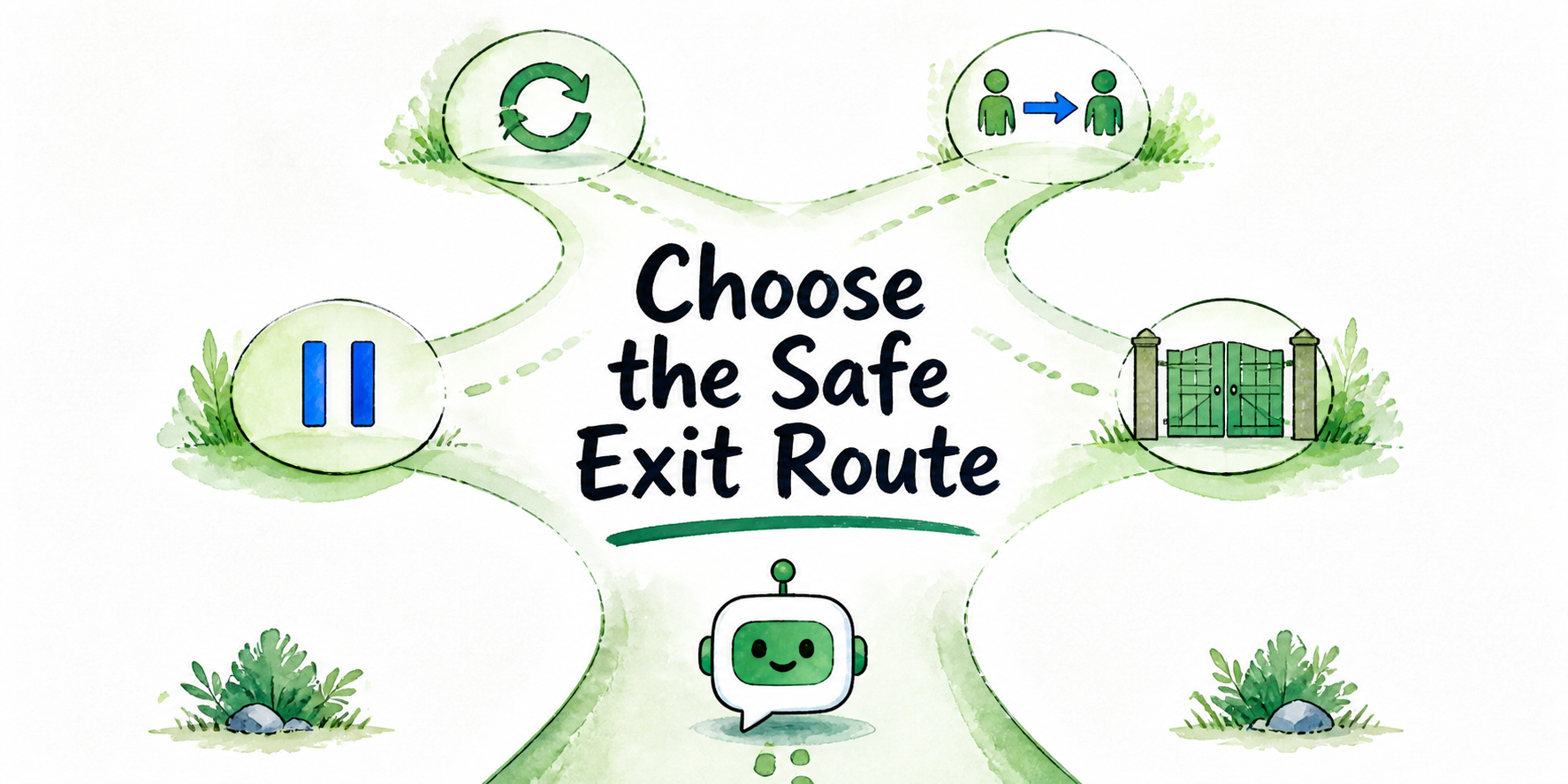
Fifth, define change-request triggers. A new assistant workflow, complex handoff path, major content restructuring, or unsupported integration request should start a separate scope conversation. Routine approved content updates can stay inside the retainer.
These rules do not need to be heavy. They need to be clear enough that an account manager can enforce them without renegotiating the service every month.
Use Reporting As The Optimization Loop
Reporting belongs in the retainer because it connects monitoring to action. It should answer three practical questions: what happened, what needs attention, and what should improve next.

Keep the report short. Useful categories include activity at a high level, unanswered questions, handoff needs, content gaps, completed updates, and recommended next updates. That is enough for a retainer package. Detailed metric definitions, attribution limits, and benchmark logic should live in a separate reporting process.
Be careful with attribution language. If the client does not have a measurement setup that connects assistant conversations to sales, support cost, lead quality, or booking outcomes, avoid exact claims. Say what was observed, what it suggests, and what the agency changed as a result.
The report should feed the next monthly action. If visitors ask questions the assistant cannot answer, the next action may be an approved content update. If people need help after a certain answer, the next action may be a clearer handoff path. If recent updates changed an important flow, the next action may be re-testing that flow.
Apply The Model In One Client Scenario
Consider an agency working with a question-heavy website. The client gets repeated visitor questions about service fit, basic requirements, and next steps before someone books a call. The agency does not start by pitching a broad chatbot program. It starts with a narrow workflow that helps visitors get clearer answers and route themselves toward the right handoff.
The agency first offers a starter workflow. It might use a simple guided flow or free-tool style asset to test whether visitors repeatedly need help with the same decision. The output is not a full retainer yet. It is evidence that the same questions keep appearing and that the client's existing pages do not answer them clearly enough.
Once the need is clear, the agency proposes a branded assistant retainer. Setup includes configuring the assistant for the agreed website workflow, collecting approved service pages and FAQs, preparing training content in the client's approved language, and testing the most common visitor questions before launch.
The monthly lane includes reviewing recent conversations on the agreed cadence, identifying unanswered questions, updating approved source content, re-testing priority questions after updates, and sending a monthly report with findings and next actions.
The boundary is explicit. Small approved content updates are included within the monthly cadence. A new workflow for a different audience, a new handoff process, or a major content restructure is scoped separately. The client knows what they are buying, and the agency has a repeatable delivery model.
A retainer is the wrong fit when the client cannot support that model. Avoid selling it when there is no approved content owner, no recurring updates, only a short-term experiment, high-risk compliance needs that require deeper review, or a request for complex custom automation that has not been scoped. In those cases, use a smaller diagnostic project, one-time setup, or separate scope conversation first.
FAQ
What should be included in an AI chatbot retainer service?
A practical retainer includes monitoring, approved training content updates, issue review, priority-flow testing, and a short monthly report. Initial setup, source gathering, assistant configuration, and first-round testing usually belong before the monthly retainer begins.
How do agencies avoid unlimited chatbot updates?
Set rules before launch. Define the update cadence, content handoff format, client approval owner, monthly update volume, issue triage categories, reporting cadence, and which requests trigger a separate scope conversation.
Can a free-tool style workflow lead into a branded assistant retainer?
Yes, when it proves a recurring need. A starter workflow can show that visitors keep asking similar questions or need a clearer handoff path. If the pattern is real, the agency can propose a branded assistant that is maintained, monitored, updated, and reported on monthly.
Should reporting be part of the monthly package?
Yes, but keep it focused. The report should summarize activity, unanswered questions, handoff needs, content gaps, completed updates, and recommended next improvements. Avoid exact ROI or attribution claims unless the client has the tracking to support them.
When should a request become a separate project instead of retainer work?
Use a separate scope when the client asks for a new workflow, major content restructuring, complex handoff logic, custom automation, or work outside the agreed update cadence. Routine approved content updates can fit the retainer; larger changes need their own agreement.
Is a chatbot retainer mainly technical or content work?
It is both, but the monthly value often depends on content operations. The assistant needs approved source material, answer review, updates, and testing. Technical setup matters, but ongoing quality depends on whether the client and agency keep the assistant's knowledge current.