Product guides
AI front desk guides for your business.
Learn how to set up your InsertChat AI front desk. Explore guides to customer channels, knowledge bases, human handoff, and everyday conversation workflows.
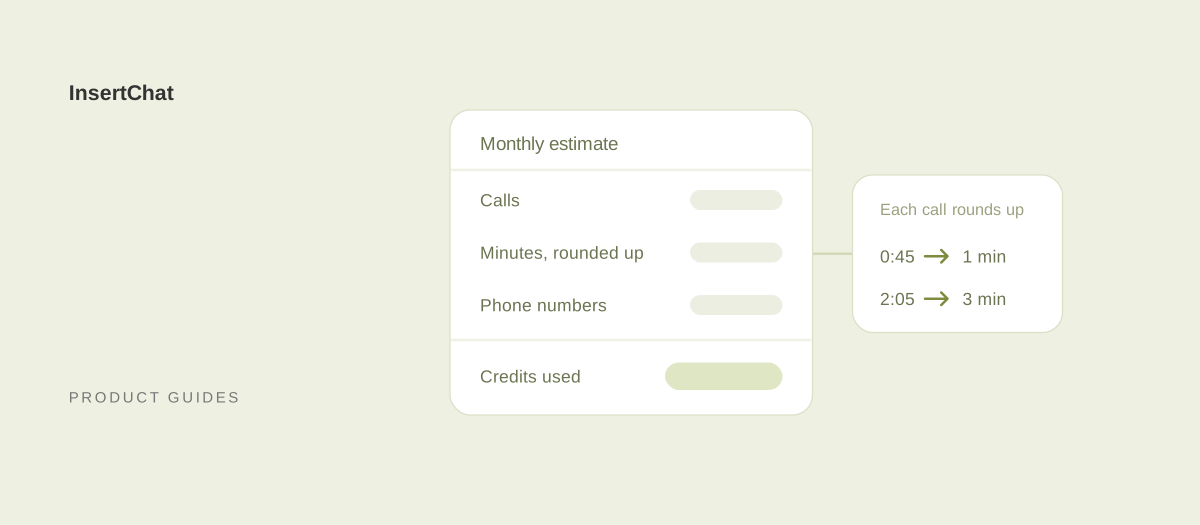
AI Receptionist Cost: Pricing Models Explained
What an AI receptionist costs: per-minute, per-call, per-caller, and flat-plan pricing with dated vendor examples, InsertChat’s plans, and a worked estimate.
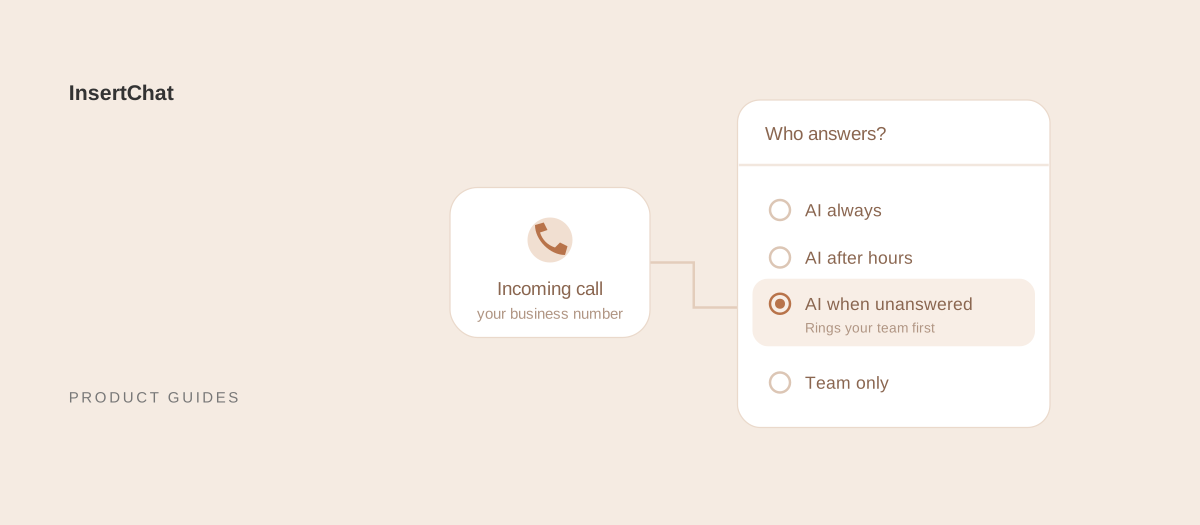
AI Receptionist for Small Business: A Practical Guide
How to set up an AI receptionist for a small business: which calls to automate first, routing and number setup, what to track in the first weeks, and cost.
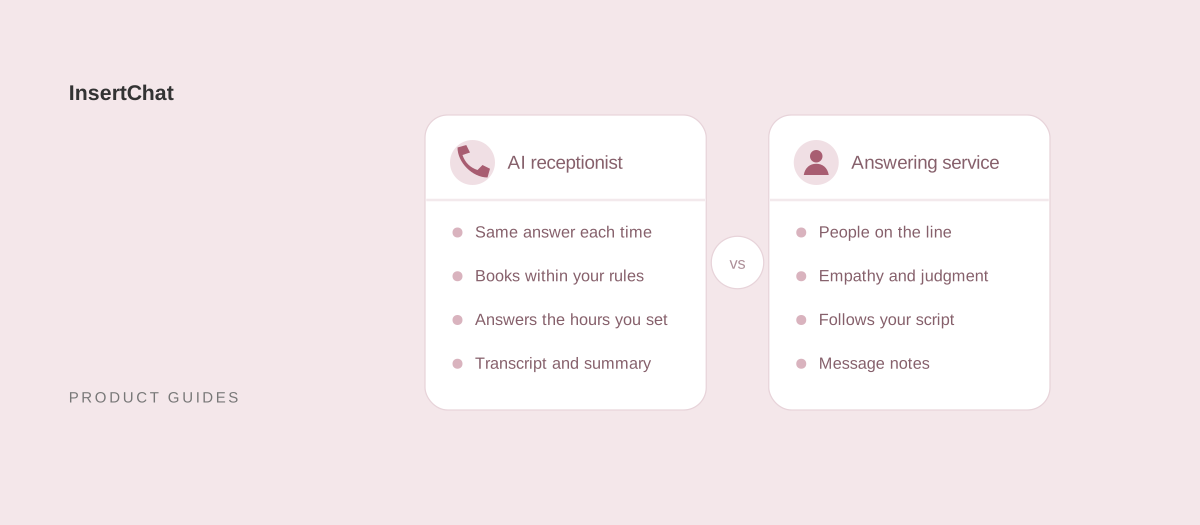
AI Receptionist vs Answering Service: How to Choose
Compare an AI receptionist with a human answering service or virtual receptionist: what each handles well, how they bill, hybrid setups, and how to switch.
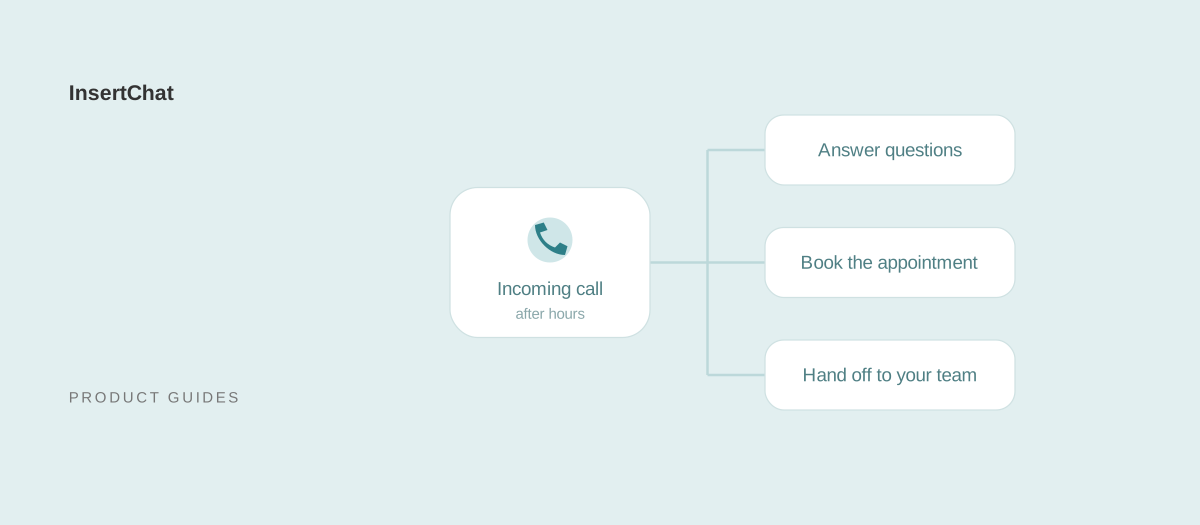
What Is an AI Receptionist? How It Works & Cost
An AI receptionist answers business calls, captures leads, and books appointments. Learn how it works, what it costs, and when calls should go to a person.
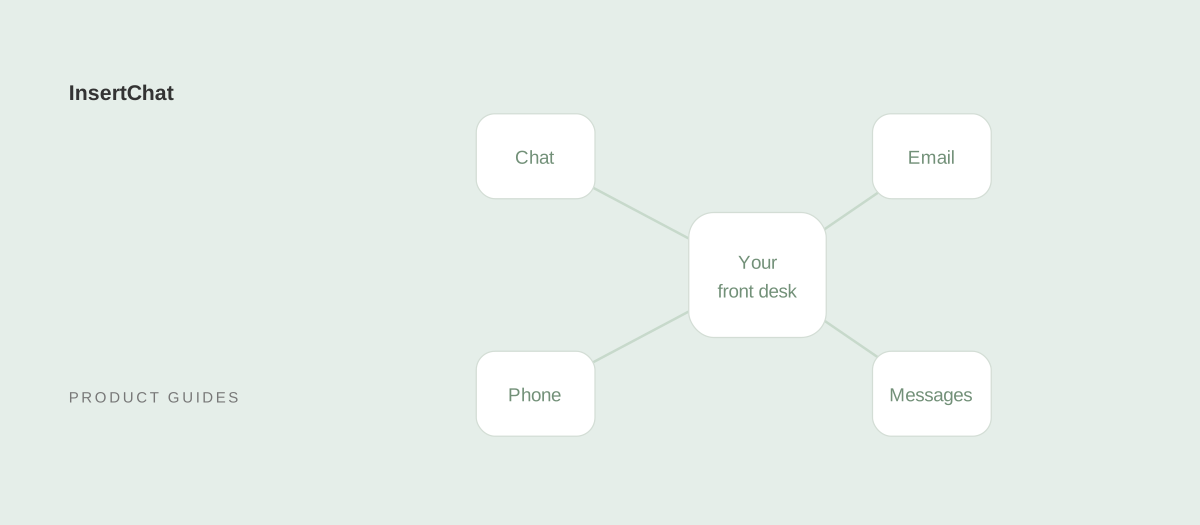
How to Connect Your First AI Front Desk Channel
Set up your first InsertChat customer channel. Prepare business knowledge, connect website chat, phone, or messaging, and test answers and human handoff.
How the InsertChat AI Front Desk Works
Tour InsertChat’s AI front desk: shared customer conversations, business knowledge, calendar appointments, connected tools, and human approval in one workspace.
How to Build Your AI Assistant’s Knowledge Base
Prepare website pages, documents, FAQs, and product details for your InsertChat AI knowledge base. Check source status, test answers, and keep content current.
How to Set Up AI Chatbot Human Handoff
Plan human handoff for your InsertChat AI assistant. Configure escalation topics, preserve conversation context, and test team review before going live.
Build your AI front desk.
Start with the questions you answer every day.
Add your business information, test the answers, and connect your first customer channel.